Proximity sensors are indispensable components in modern industrial automation, providing non-contact detection of objects within a specific range. These devices are engineered to detect the presence or absence of metallic or non-metallic targets without physical contact, thereby minimizing wear and tear and enhancing operational reliability. The fundamental principle behind proximity sensors involves generating an electromagnetic field or beam of radiation, which is disturbed by the presence of a target object. This disturbance triggers a change in the sensor's output signal, which can be used to control machinery, count items, or ensure safety in automated systems.
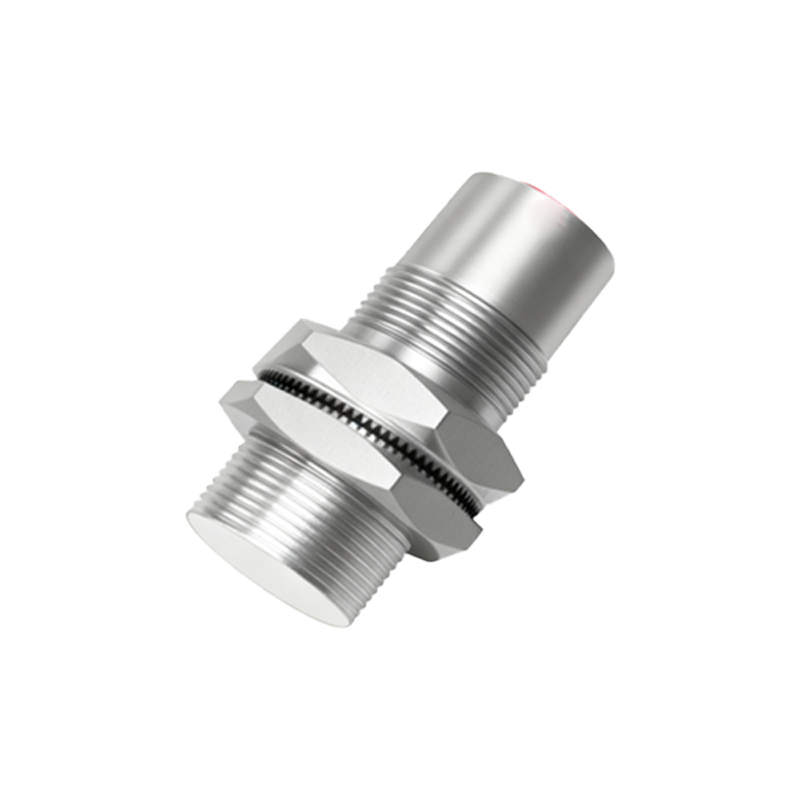
There are several types of proximity sensors, each suited to different applications. Inductive proximity sensors are widely used for detecting metallic objects. They operate by generating an oscillating electromagnetic field from a coil. When a metallic object enters this field, it induces eddy currents, causing a change in oscillation amplitude. This change is detected by the sensor's circuitry, which then switches the output. These sensors are highly reliable in harsh industrial environments, resistant to dust, moisture, and vibration, making them ideal for manufacturing lines, robotics, and automotive assembly.
Capacitive proximity sensors, on the other hand, can detect both metallic and non-metallic materials, such as plastics, liquids, or wood. They function by creating an electrostatic field between two electrodes. When an object enters this field, it alters the capacitance, triggering the sensor. This versatility makes capacitive sensors valuable in packaging, food processing, and material handling industries, where diverse materials need monitoring.
Ultrasonic proximity sensors utilize sound waves beyond human hearing to detect objects. They emit high-frequency ultrasonic pulses and measure the time taken for the echo to return after hitting an object. By calculating this time-of-flight, the sensor determines the distance to the target. These sensors are effective for detecting objects regardless of color, transparency, or material composition, and are commonly used in level measurement, collision avoidance in vehicles, and complex automation tasks.
Photoelectric proximity sensors employ light beams, typically infrared, to sense objects. They consist of an emitter that projects light and a receiver that detects changes in light intensity caused by an object interrupting the beam. These sensors offer long detection ranges and high precision, suitable for applications like conveyor belt monitoring, object counting, and security systems.
The selection of a proximity sensor depends on factors such as the target material, required sensing distance, environmental conditions, and response speed. Engineers must consider specifications like sensing range, output type (e.g., NPN, PNP, analog), housing material, and ingress protection (IP) ratings to ensure optimal performance. Proper installation and calibration are crucial to avoid false triggers and maintain accuracy.
In industrial settings, proximity sensors contribute to efficiency and safety by enabling precise control over machinery. They facilitate automated processes, reduce downtime, and prevent accidents by detecting obstacles or misalignments. As Industry 4.0 advances, these sensors are increasingly integrated with IoT systems, allowing for real-time data collection and predictive maintenance. Innovations in miniaturization and smart sensing are expanding their applications, from consumer electronics to aerospace.
Overall, proximity sensors are vital tools in automation, offering robust and versatile solutions for object detection. Their ability to operate without contact ensures longevity and reliability, driving productivity across various sectors. Understanding their types and applications empowers engineers to design smarter, more efficient systems that meet the demands of modern industry.