In the realm of industrial automation and machinery, the reliability of sensing components is non-negotiable. Among these, miniature proximity switches are pivotal for precision detection and control. A critical, yet often underappreciated, factor in their enduring performance is the housing material. Stainless steel, specifically grades like 303, 304, and 316, has emerged as the premier choice for encasing these sensitive electronic devices, offering a blend of mechanical robustness and environmental resistance that is unmatched by polymer or plated alternatives.
The primary engineering rationale for specifying stainless steel housings lies in their exceptional corrosion resistance. Industrial environments are replete with corrosive agents: coolants, cleaning chemicals, salt spray in marine applications, and general atmospheric moisture. Polymer housings can degrade, swell, or become permeable over time, while plated metals risk pitting and crevice corrosion once the protective layer is compromised. Austenitic stainless steels, through their inherent chromium oxide passive layer, provide continuous, self-repairing protection. Grade 316, with added molybdenum, offers superior resistance to chlorides, making it ideal for food processing, pharmaceutical, and offshore applications where washdowns with aggressive sanitizers are routine.
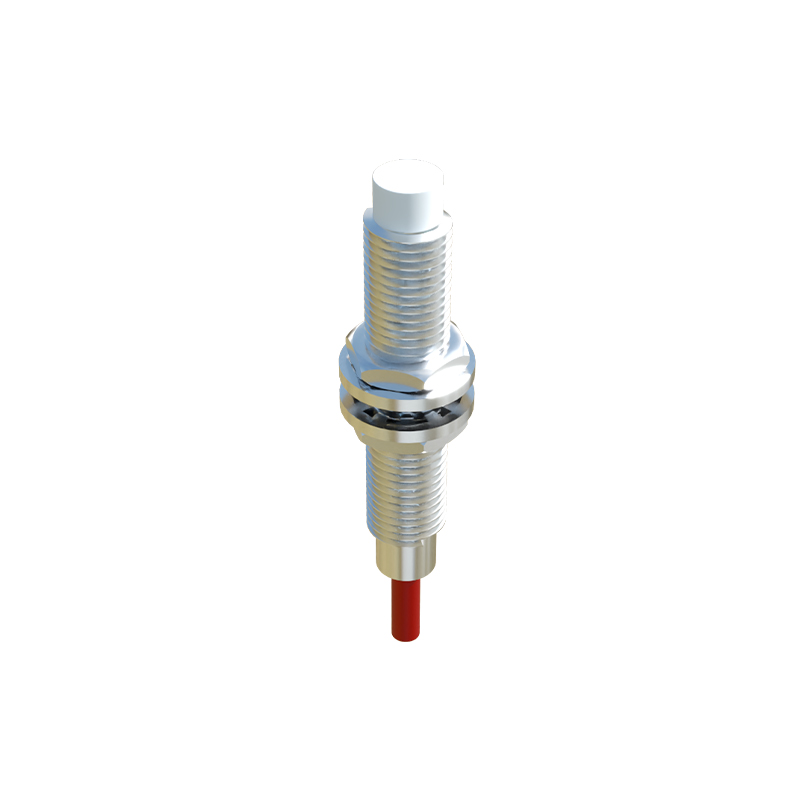
Beyond corrosion, mechanical integrity is paramount. Miniature sensors are often installed in cramped spaces on moving machine parts—robot arms, linear actuators, or conveyor systems—where they are subject to vibration, incidental impact, and mechanical abrasion. Stainless steel housings provide superior tensile strength and hardness compared to engineering plastics. This ruggedness protects the internal oscillator coil, amplifier, and output circuitry from physical damage and ensures stable mounting, which is critical for maintaining consistent sensing distances. The material's rigidity also minimizes housing deformation under load or thermal stress, preserving the precise internal geometry necessary for accurate switching.
Electromagnetic compatibility (EMC) and shielding performance are further enhanced by a metallic housing. Stainless steel acts as a effective Faraday cage, attenuating electromagnetic interference (EMI) from nearby motors, variable frequency drives (VFDs), and welding equipment. This shielding prevents false triggering and signal degradation, ensuring high signal integrity in electrically noisy plants. While all metals provide some shielding, stainless steel's combination of this property with its other attributes creates a comprehensive solution.
The manufacturing and sealing capabilities of stainless steel are also key. Advanced techniques like laser welding and hermetic sealing allow for the creation of truly sealed units (often rated IP67, IP68, or IP69K). These seals prevent the ingress of oils, dust, and liquids, enabling reliable operation in harsh conditions found in foundries, mining, and agricultural machinery. The material's suitability for precision machining allows for tight tolerances on threads (e.g., M8, M12, M18 standard sizes) and mounting features, ensuring easy integration and replacement.
From a lifecycle and sustainability perspective, stainless steel housings contribute to lower total cost of ownership. Their durability translates to fewer failures, reduced downtime, and less frequent replacements. At end-of-life, stainless steel is fully and easily recyclable, aligning with modern industrial sustainability goals.
In conclusion, the specification of a stainless steel housing for a miniature proximity sensor is not merely a material choice; it is a fundamental engineering decision for reliability. It represents an investment in sustained accuracy, resilience against multifaceted environmental assaults, and long-term operational stability. For engineers designing systems destined for challenging duty cycles, the stainless steel-clad sensor is an indispensable component, ensuring that the smallest sentinel in the control loop performs flawlessly, day in and day out.