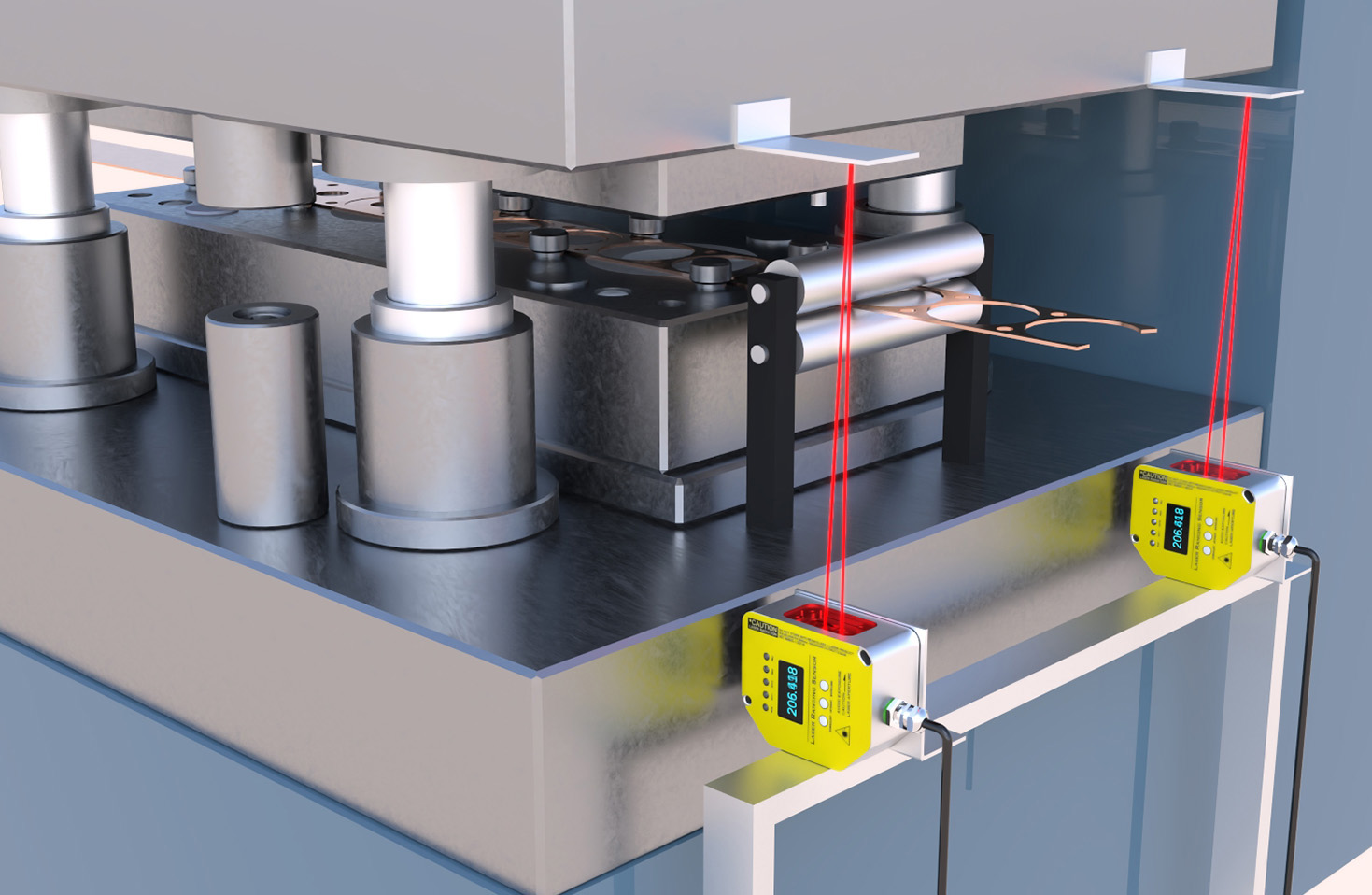
In the realm of electrical engineering, final year projects serve as a critical bridge between academic theory and practical application, offering students an opportunity to demonstrate their technical prowess and innovative thinking. Among the myriad of technologies available, laser sensors stand out due to their precision, versatility, and widespread use in industries such as automation, robotics, and measurement systems. This article delves into the design and implementation of a laser sensor system tailored for undergraduate capstone projects, providing a comprehensive guide from conceptualization to execution.
Laser sensors operate on the principle of emitting a focused beam of light and detecting its reflection or interruption to measure distance, detect objects, or monitor movements. Common types include time-of-flight (ToF) sensors, triangulation sensors, and laser Doppler vibrometers, each suited for specific applications. For a final year project, selecting the appropriate sensor type is paramount. ToF sensors, for instance, are ideal for distance measurement in robotics, while triangulation sensors excel in high-precision surface profiling. Students should begin by defining their project objectives—whether it's building an autonomous vehicle obstacle detection system, a non-contact thickness gauge, or a vibration analysis tool—and then choose a laser sensor that aligns with these goals.

The design phase involves integrating the laser sensor with microcontrollers or single-board computers like Arduino, Raspberry Pi, or STM32. A typical setup includes the sensor module, a processing unit, power supply, and output interfaces such as displays or wireless communication modules. For example, a project might use a ToF laser sensor (e.g., VL53L0X) connected to an Arduino Uno to create a smart parking sensor. The process entails wiring the sensor to the microcontroller, programming it in C++ or Python to read data, and calibrating it for accurate measurements. Emphasis should be placed on circuit design, ensuring proper voltage levels and noise reduction to enhance reliability.
Implementation challenges often revolve around environmental factors like ambient light interference, surface reflectivity, and temperature variations. To mitigate these, students can incorporate filtering algorithms in software, use protective housings, or opt for sensors with built-in compensation features. Testing and validation are crucial steps; projects should include real-world scenarios to assess performance, such as measuring distances under different lighting conditions or detecting objects of varying materials. Data analysis tools, like MATLAB or Python libraries, can help visualize results and refine the system.

Beyond technical execution, a successful laser sensor project should highlight innovation and applicability. Students are encouraged to explore emerging trends, such as integrating machine learning for predictive maintenance or combining multiple sensors for enhanced functionality. Documentation and presentation skills are equally important, as they demonstrate the project's feasibility and impact. By following this structured approach, electrical engineering undergraduates can develop a robust laser sensor system that not only meets academic requirements but also contributes to their professional portfolio, preparing them for careers in cutting-edge technological fields.
In conclusion, laser sensor projects offer a rich learning experience, blending hardware design, software programming, and problem-solving. With careful planning and attention to detail, students can create systems that push the boundaries of modern engineering, making their final year projects both rewarding and impactful.