Laser volume sensors represent a significant advancement in industrial measurement technology, offering high-precision, non-contact solutions for various applications. These sensors utilize laser beams to capture three-dimensional data of objects, enabling accurate volume calculations in real-time. The fundamental principle involves projecting a laser pattern onto a target surface and analyzing the deformation of this pattern using triangulation or time-of-flight methods. This allows for the creation of detailed point clouds, which are processed to determine volume with exceptional accuracy.
In industrial settings, laser volume sensors are widely employed in logistics, manufacturing, and quality control. For instance, in warehousing and shipping, they automate the measurement of package dimensions, optimizing storage space and calculating shipping costs efficiently. This reduces manual labor and minimizes errors associated with traditional tape measures or manual data entry. In manufacturing, these sensors monitor the volume of raw materials or finished products, ensuring consistency and adherence to specifications. They can detect deviations in production lines, such as underfilled containers or irregularly shaped components, triggering immediate corrective actions.
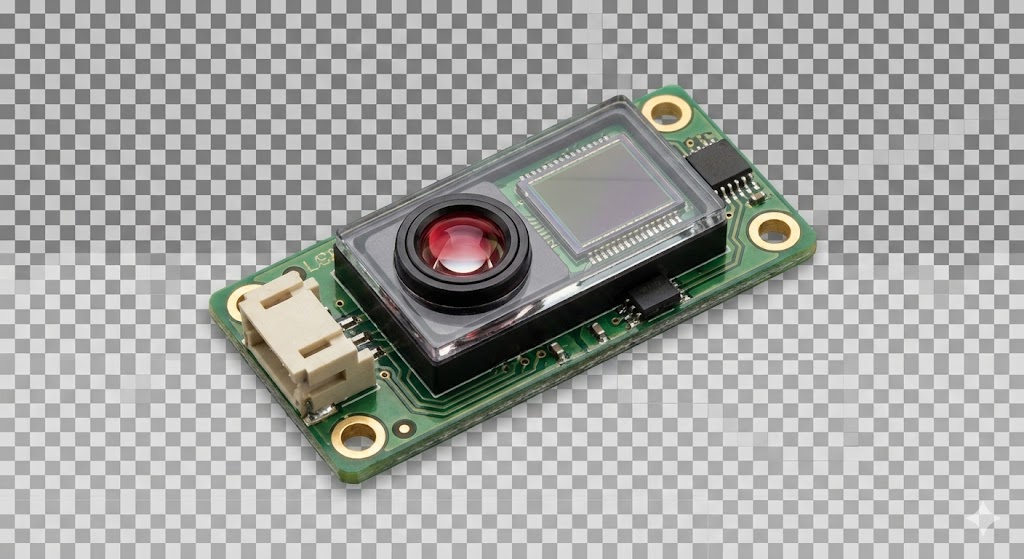
The technology behind laser volume sensors typically involves a laser emitter, a detector (such as a CCD or CMOS camera), and sophisticated software algorithms. The laser emitter projects a structured light pattern—often a grid or line—onto the object. As the object's surface contours interact with the pattern, the detector captures the reflected light. Using triangulation, the sensor calculates distances based on the angle between the emitted and reflected beams, constructing a 3D model. Time-of-flight sensors, on the other hand, measure the time taken for a laser pulse to return, providing depth information. Both methods deliver precise volume data, with accuracies often within millimeters, depending on the sensor's resolution and environmental conditions.
Key advantages of laser volume sensors include their non-contact nature, which prevents damage to delicate items, and their ability to operate at high speeds, making them suitable for dynamic production environments. They are also versatile, capable of measuring objects of various sizes, shapes, and materials, including transparent or reflective surfaces, though specialized configurations may be required for challenging materials. However, limitations exist, such as sensitivity to ambient light interference, which can be mitigated with filters or enclosed setups, and higher costs compared to traditional sensors.
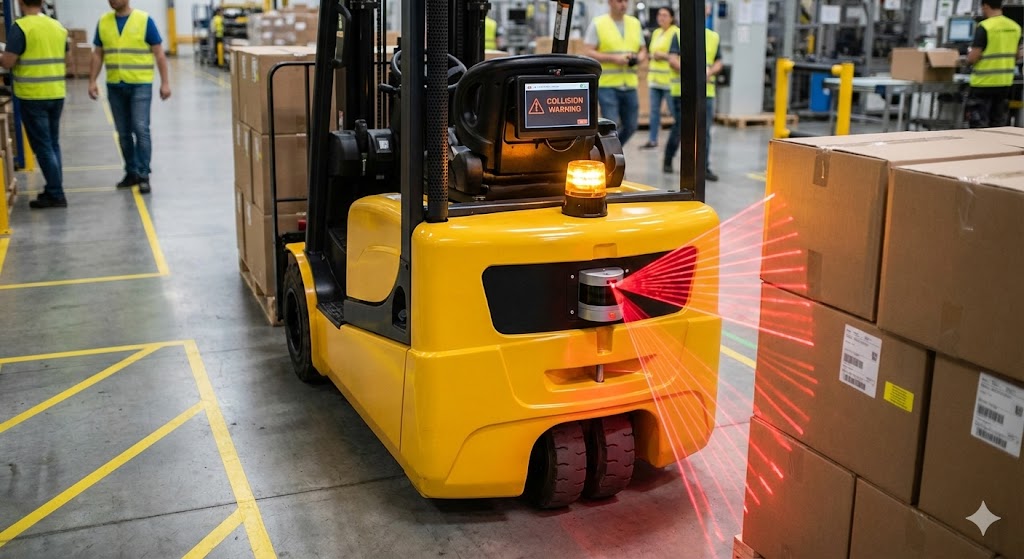
Recent innovations have enhanced laser volume sensors with features like AI integration for adaptive learning and IoT connectivity for remote monitoring. These developments enable predictive maintenance and data analytics, further boosting efficiency in smart factories. For example, sensors can now automatically classify objects based on volume and shape, streamlining sorting processes in recycling or e-commerce.
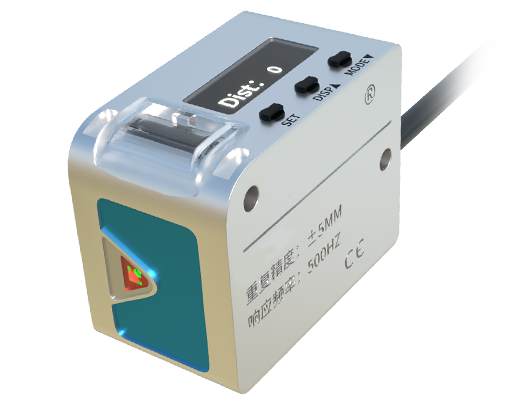
In summary, laser volume sensors are transformative tools in modern industry, driving automation and precision. Their adoption continues to grow as technology advances, offering scalable solutions for complex measurement tasks. Engineers and operators should consider factors like measurement range, accuracy, and environmental robustness when selecting sensors to ensure optimal performance in specific applications.