Proximity sensor manufacturing represents a critical segment within the industrial automation and electronics sectors. These devices, essential for detecting the presence or absence of objects without physical contact, are integral to modern manufacturing lines, automotive systems, robotics, and safety applications. The industry has evolved significantly, driven by advancements in technology, stringent quality standards, and increasing demand for precision and reliability.
The core technologies in proximity sensor production include inductive, capacitive, ultrasonic, and photoelectric sensors. Inductive sensors, widely used for metal detection, operate on electromagnetic principles. Manufacturers focus on optimizing coil designs and oscillation circuits to enhance sensing ranges and immunity to environmental interference. Capacitive sensors, capable of detecting both metallic and non-metallic materials, require precise calibration of electrode configurations and dielectric properties. The production process involves meticulous assembly of sensing elements, integrated circuits, and housing materials that meet IP (Ingress Protection) ratings for durability in harsh industrial environments.
Quality control is paramount in proximity sensor manufacturing. Factories implement automated testing protocols to verify parameters such as switching frequency, repeat accuracy, temperature tolerance, and EMC (Electromagnetic Compatibility) compliance. Standards like IEC 60947-5-2 and ISO 13849-1 guide production to ensure safety and performance consistency. Additionally, manufacturers invest in R&D to develop miniaturized sensors with enhanced functionality, such as IO-Link communication for Industry 4.0 integration, allowing real-time data exchange and predictive maintenance capabilities.
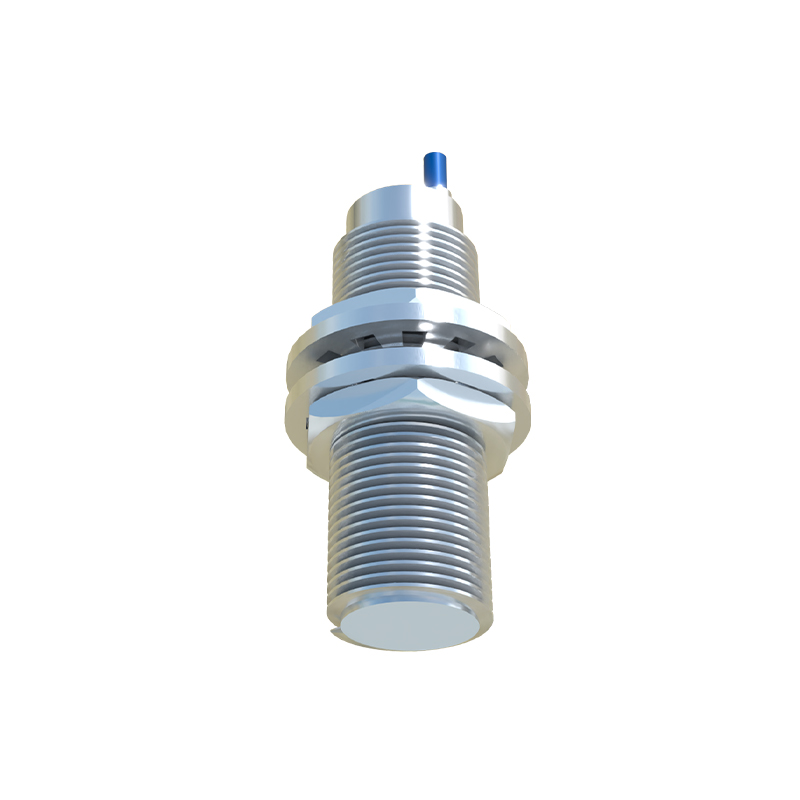
The supply chain for proximity sensors involves sourcing high-grade components like ferrite cores, semiconductors, and ruggedized enclosures. With the rise of smart factories, there is a growing emphasis on sustainability, leading to innovations in energy-efficient designs and recyclable materials. Leading manufacturers also provide customization services, tailoring sensors for specific applications in aerospace, food processing, or pharmaceutical industries where hygiene and precision are critical.
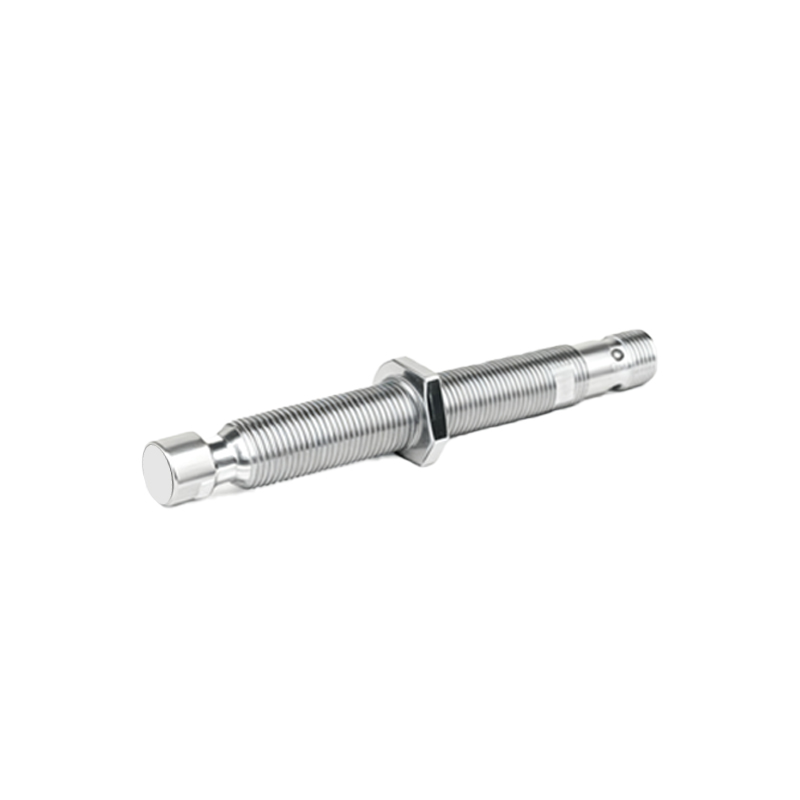
Looking ahead, trends like the adoption of MEMS (Micro-Electro-Mechanical Systems) technology and AI-driven calibration are set to redefine proximity sensor production. These advancements promise higher sensitivity, lower power consumption, and seamless integration with IoT platforms. As industries continue to automate, proximity sensor manufacturers must balance cost-effectiveness with technological innovation to maintain competitive advantage.
In summary, proximity sensor manufacturing is a dynamic field blending engineering expertise with cutting-edge technology. By adhering to international standards and embracing digital transformation, producers can deliver reliable solutions that drive efficiency and safety across diverse industrial applications.