In industrial automation and robotics, laser sensors play a critical role in providing high-precision, non-contact positioning and measurement. However, positioning failure is a common issue that can lead to production downtime, quality defects, and safety hazards. Understanding the root causes and implementing systematic troubleshooting is essential for maintaining operational efficiency. This article delves into the primary reasons behind laser sensor positioning malfunctions and offers a comprehensive guide for diagnosis and resolution.
One of the most frequent causes of positioning failure is environmental interference. Laser sensors, particularly those operating on triangulation or time-of-flight principles, are highly sensitive to ambient conditions. Dust, smoke, oil mist, or steam in the operational area can scatter or absorb the laser beam, resulting in erroneous distance readings or complete signal loss. Similarly, strong ambient light from sources like welding arcs, halogen lamps, or direct sunlight can saturate the sensor's receiver, causing it to misinterpret the reflected signal. Vibrations from nearby machinery may also physically displace the sensor or the target, leading to inconsistent measurements. To mitigate these issues, ensure the sensor is installed in a clean, controlled environment. Use protective housings or air purge systems to shield the optics from contaminants. Employ sensors with robust ambient light suppression features or install physical barriers to block interfering light sources. Securely mount the sensor and target on stable, vibration-damped structures.
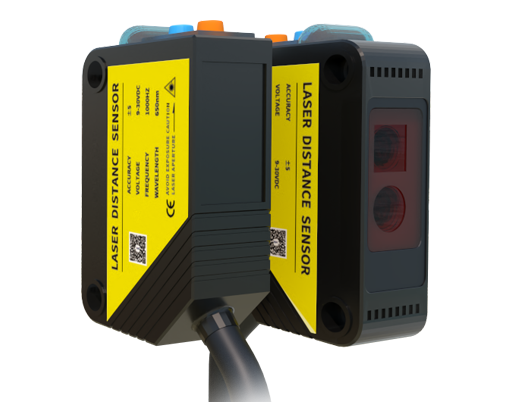
Sensor misalignment is another prevalent culprit. Even a minor deviation from the intended installation angle or position can cause the laser spot to fall outside the optimal detection range or hit an irregular surface, distorting the reflection. Regularly verify alignment using precision tools. Follow the manufacturer's guidelines for mounting tolerances and recalibrate the sensor after any mechanical adjustment. For applications involving moving targets, ensure the sensor's tracking parameters, such as response time and measurement window, are correctly configured to handle the expected speed and trajectory.
The target surface characteristics significantly influence sensor performance. Laser sensors assume a specific reflectivity and surface texture. Highly reflective surfaces (e.g., polished metal) can cause specular reflection, directing the beam away from the receiver. Conversely, dark, matte, or absorptive surfaces (e.g., black rubber, velvet) may not reflect sufficient light back to the sensor. Transparent or translucent materials (e.g., glass, clear plastic) can allow the beam to pass through or refract unpredictably. Changes in surface color, finish, or material during production can thus trigger failures. Selecting the appropriate sensor type for the target is crucial. For challenging surfaces, consider using sensors with adjustable laser power, specialized filters, or diffuse reflection models. Applying a consistent, sensor-friendly coating or marker on the target surface can also enhance reliability.
Electrical and signal integrity problems often underlie positioning errors. Voltage fluctuations, electromagnetic interference (EMI) from motors or drives, and ground loops can corrupt the sensor's output signal. Loose, damaged, or excessively long cabling can exacerbate noise issues and cause intermittent failures. Always use shielded cables, route them away from power lines and noise sources, and ensure proper grounding according to EMC standards. Verify the power supply meets the sensor's specifications for voltage and current. Check the integrity of connectors and terminals. For networked sensors, ensure the communication protocol (e.g., IO-Link, Ethernet/IP) is correctly configured and that network latency is within acceptable limits.

Internal sensor degradation or malfunction, though less common, must be considered. Over time, the laser diode may experience output power decay, or the optical lens can become scratched or fouled. Internal electronic components may fail due to aging, thermal stress, or electrical surges. If environmental and external factors are ruled out, perform diagnostic tests using the manufacturer's software or built-in diagnostics. Monitor parameters like received signal strength or internal temperature. Compare the sensor's performance against a known-good unit if possible. Regular preventive maintenance, including cleaning optics with approved materials and checking for physical damage, can extend sensor life.
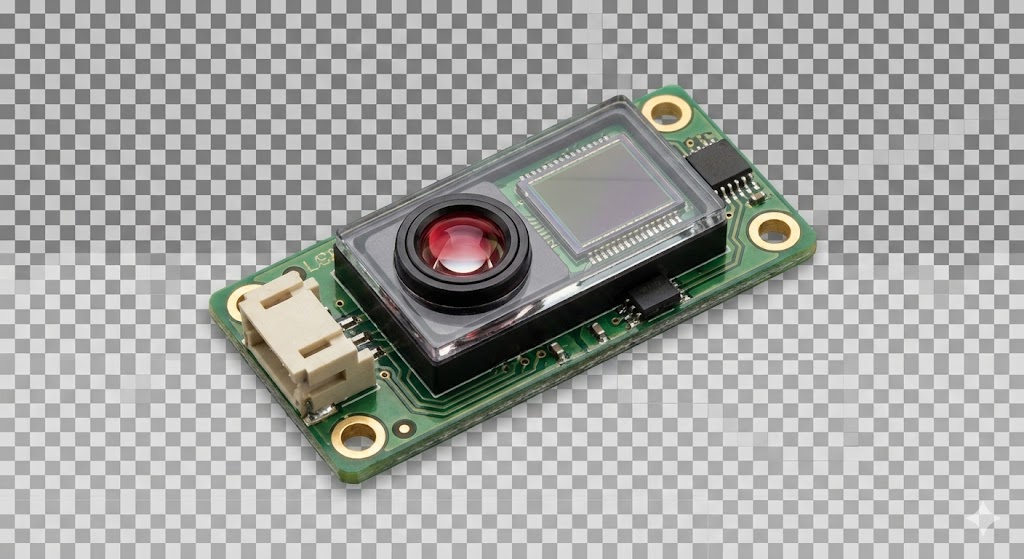
Software and configuration errors are increasingly relevant with smart sensors. Incorrectly set parameters—such as measurement range, output scaling, filtering settings, or teach-in points—can cause the sensor to output valid but inaccurate position data. A firmware bug or incompatibility with the control system may also lead to erratic behavior. Always document configuration settings and maintain backup files. After any parameter change, validate the sensor's output against a physical reference. Keep sensor firmware updated to the latest stable version provided by the manufacturer.
A structured troubleshooting approach is key. Start by clearly defining the failure symptom: Is it a complete loss of signal, erratic readings, or a consistent offset? Observe the process and environment for any recent changes. Visually inspect the sensor, target, and installation. Use an oscilloscope or the PLC to monitor the raw sensor output signal. Isolate the problem by temporarily simplifying the setup—for example, testing with a standard, ideal target in a controlled setting. Consult the sensor's manual for error codes and diagnostic LEDs.
In conclusion, laser sensor positioning failures are rarely due to a single factor. They typically arise from an interaction between environmental conditions, mechanical setup, target properties, and electrical integrity. A methodical process of elimination, combined with a deep understanding of the sensor's operating principle and application specifics, is required for effective resolution. Investing in high-quality sensors designed for the industrial environment, adhering to best practices in installation and maintenance, and providing adequate operator training will minimize downtime and ensure the reliable performance essential for modern automated systems.