In the realm of industrial automation and electrical engineering, proximity sensors play a pivotal role in detecting the presence or absence of objects without physical contact. Among the various mounting options available, threaded housings are widely preferred for their robustness and ease of installation. The M4 thread, in particular, is a common specification in proximity sensor designs, especially for compact applications where space is at a premium. This article delves into the specifics of M4 thread pitch, its relevance in proximity sensors, and key considerations for engineers and technicians.
Thread pitch refers to the distance between adjacent threads on a screw or nut, typically measured in millimeters for metric threads like the M4. For the M4 thread, the standard pitch is 0.7 mm, denoted as M4 x 0.7. This fine pitch ensures a secure fit and high tensile strength, making it suitable for sensors that require precise alignment and stability in harsh environments. In proximity sensors, the M4 threaded housing allows for straightforward mounting into control panels, machinery, or enclosures, facilitating reliable operation in applications such as position sensing, object detection, and safety systems.
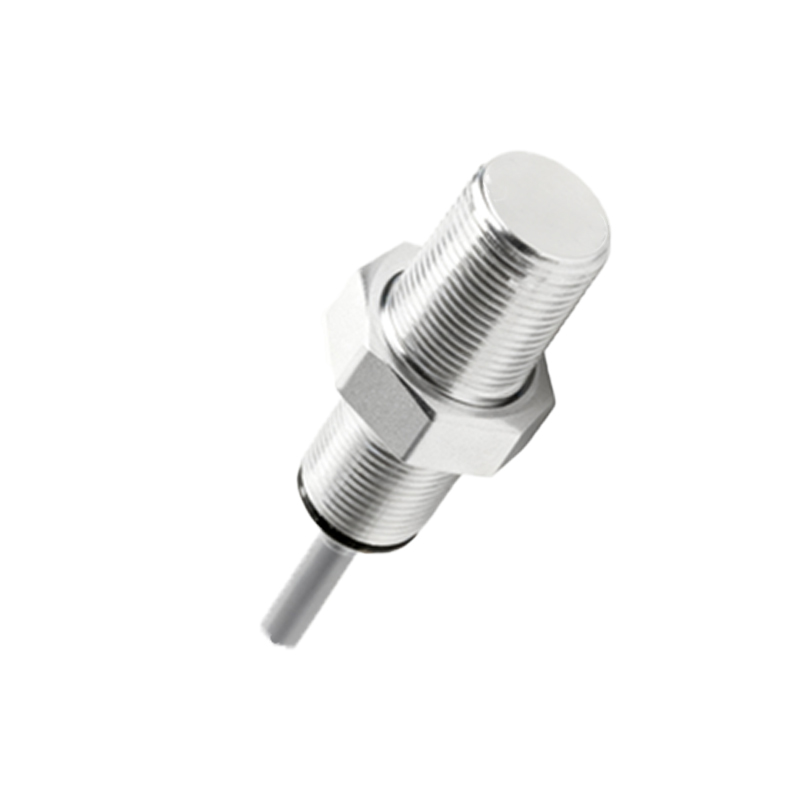
When selecting a proximity sensor with an M4 thread, engineers must consider several factors. First, the thread pitch compatibility is crucial to avoid cross-threading or improper sealing, which could lead to sensor failure. Using matching M4 nuts or mounting brackets with a 0.7 mm pitch ensures a tight connection, minimizing vibration-induced loosening. Additionally, material choice—such as stainless steel or brass for the thread—impacts corrosion resistance and durability, particularly in industries like manufacturing, automotive, or food processing where exposure to moisture, chemicals, or extreme temperatures is common.
Installation practices also play a vital role. Proper torque application is essential; over-tightening can damage the sensor housing or distort the thread, while under-tightening may result in insecure mounting. A recommended torque range for M4 threads in proximity sensors is typically between 0.5 N·m to 1.2 N·m, depending on the manufacturer's specifications. It's advisable to consult technical datasheets and use calibrated tools to achieve optimal performance. Furthermore, thread sealing compounds or washers may be employed to enhance environmental protection, ensuring IP (Ingress Protection) ratings are maintained for dust and water resistance.
In terms of applications, M4-threaded proximity sensors are often found in miniaturized systems, such as PCB mounting, robotic arms, or medical devices, where their small size does not compromise detection accuracy. For instance, inductive proximity sensors with M4 threads can detect metallic objects at short ranges, while capacitive variants handle non-metallic materials. The fine pitch of the M4 thread contributes to precise adjustment capabilities, allowing for micro-level positioning in sensitive setups.
Despite its advantages, the M4 thread pitch presents challenges. Its small size can make handling difficult in gloved or high-vibration environments, and thread wear over time may necessitate replacement. Regular maintenance, including inspection for thread damage and cleaning to prevent debris accumulation, is recommended to prolong sensor life. Engineers should also verify global standards, such as ISO 965 for metric threads, to ensure compliance in international projects.
In conclusion, the M4 thread pitch is a critical element in the design and deployment of proximity sensors, offering a balance of compactness and reliability. By understanding its specifications—particularly the standard 0.7 mm pitch—and adhering to best practices in selection and installation, professionals can enhance system integrity and efficiency. As technology evolves, the demand for precise, durable threaded connections in sensors continues to grow, underscoring the importance of mastering these fundamental details in electrical engineering workflows.