In the realm of industrial automation and precision measurement, laser sensors have become indispensable components, offering unparalleled accuracy in distance measurement, object detection, and quality control. The reliability of these sophisticated devices, however, hinges not only on the quality of their optical and electronic components but also on the integrity of their electrical and mechanical connections. Specifically, the welding of laser sensor connectors is a critical process that demands meticulous attention to detail, as it directly impacts signal stability, durability in harsh environments, and overall system performance. This article delves into the essential techniques, considerations, and best practices for achieving robust and reliable welds in laser sensor connector assemblies.
The primary function of a connector in a laser sensor system is to provide a secure, low-resistance electrical pathway for power and signal transmission, while also ensuring mechanical stability. Connectors typically interface between the sensor's internal circuitry and external cables or control systems. Common connector types include circular connectors (e.g., M8, M12 standards), D-subminiature, and specialized coaxial connectors for high-frequency signals. The materials involved are crucial: connector pins are often made from copper alloys like brass or phosphor bronze, sometimes with gold or nickel plating to enhance conductivity and corrosion resistance. The cable wires are usually stranded copper, often tinned. The mismatch in material properties between the pin and the wire, as well as the presence of plating, presents unique challenges for welding.
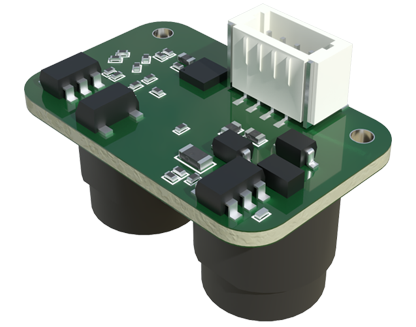
Among welding methods, resistance welding (often micro-resistance welding) and laser welding are the most prevalent for this application. Resistance welding involves passing a high electrical current through the materials at the joint, generating heat due to the material's resistance. This method is well-suited for joining wires to connector pins, as it can create a metallurgical bond without adding filler material. Key parameters include electrode force, current amplitude, and weld time. Precise control is vital to avoid issues like spatter, excessive heat-affected zones (which can damage nearby sensitive components or insulation), or weak "cold" welds. For instance, insufficient current may not achieve proper fusion, while excessive current can melt the pin or wire excessively, leading to brittleness.
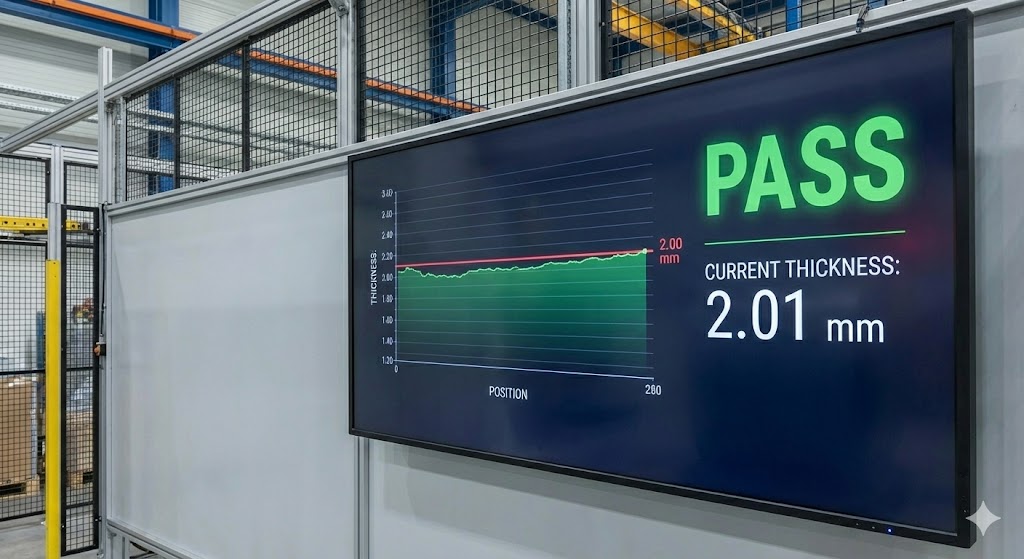
Laser welding, a non-contact process, offers superior precision and minimal thermal distortion. A focused laser beam delivers intense energy to a very small spot, creating a deep, narrow weld pool. This technique is excellent for welding small, intricate connector components or for applications where heat input must be strictly localized. It is particularly advantageous for welding dissimilar metals or coated materials common in connectors. The process parameters—laser power, pulse duration, spot size, and scanning speed—must be optimized based on the specific material combination. A key advantage is the ability to automate the process with high repeatability, which is essential for mass production in sensor manufacturing.
Regardless of the welding method chosen, several universal best practices are paramount. First, surface preparation is non-negotiable. Any contamination—oxides, oils, dust, or residual flux—can severely compromise weld quality. Connector pins and wire ends must be thoroughly cleaned, often using ultrasonic cleaning or chemical solvents. For tinned wires, ensuring a consistent and thin tin layer is critical; excessive or uneven solder can lead to porosity and weak joints.
Second, joint design and fixturing are fundamental. The wire must be positioned securely against the pin's welding area (often a flat pad or a small trough) with consistent pressure. Proper fixturing prevents movement during the weld cycle, which is a common cause of defects. The geometry should facilitate good current flow (for resistance welding) or energy absorption (for laser welding).
Third, parameter development and validation are iterative processes. Establishing a robust welding schedule requires experimentation and destructive testing. Techniques like peel testing, cross-sectioning (to examine weld nugget size and penetration), and electrical resistance measurement are used to verify joint integrity. The goal is a weld that is stronger than the base material of the wire itself (a wire break, not a weld break, in pull tests).
Fourth, post-weld inspection is crucial. Visual inspection under magnification can reveal surface defects like cracks, voids, or discoloration. For critical applications, non-destructive testing methods such as automated optical inspection (AOI) or X-ray imaging may be employed to detect internal flaws.
Finally, environmental considerations cannot be overlooked. Laser sensors are deployed in settings with extreme temperatures, vibration, humidity, and chemical exposure. The weld must withstand these conditions without degradation. This often necessitates additional protection, such as potting the connector backshell with epoxy resin after welding to provide strain relief and environmental sealing.
In conclusion, welding laser sensor connectors is a specialized discipline that blends materials science, electrical engineering, and precision manufacturing. By selecting the appropriate welding process, rigorously controlling parameters, and adhering to stringent preparation and inspection protocols, manufacturers can ensure that these vital connection points contribute to the long-term, fault-free operation of laser sensing systems. As sensor technology advances towards higher frequencies and miniaturization, the precision and reliability of connector welding will only grow in importance, forming the literal and figurative backbone of modern industrial automation.