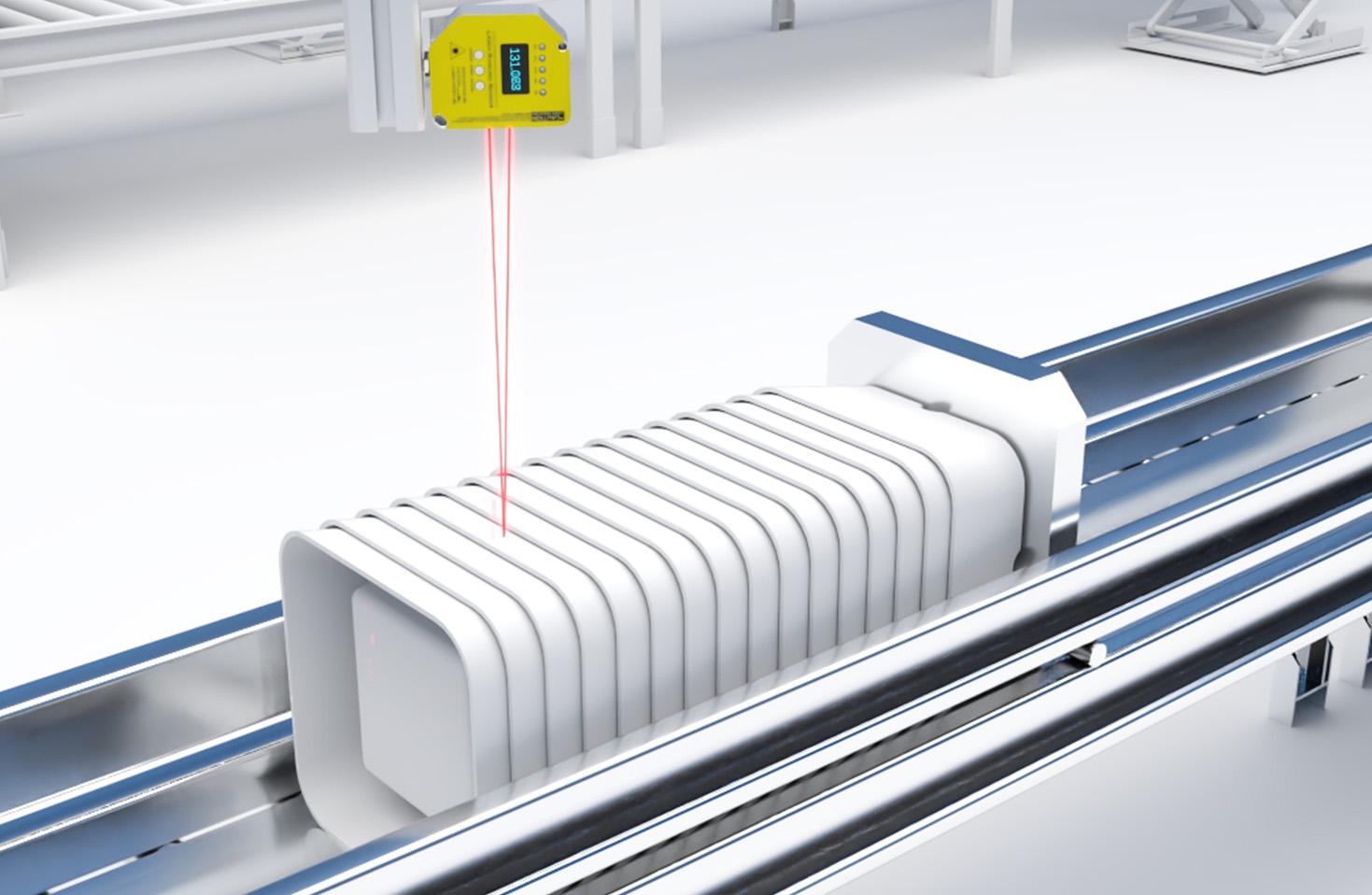
In modern industrial processes, precise temperature control is critical for ensuring product quality, operational safety, and energy efficiency. Laser sensors have emerged as a transformative technology in this domain, offering non-contact, high-accuracy temperature measurement solutions. Unlike traditional thermocouples or infrared sensors, laser-based systems utilize principles such as laser interferometry or Raman scattering to detect temperature variations with exceptional resolution. These sensors emit a focused laser beam onto a target surface. The interaction between the laser light and the material—whether through changes in reflected wavelength, phase shifts, or spectral emissions—provides real-time data on temperature without physical contact. This non-invasive nature is particularly advantageous in harsh environments, such as high-temperature furnaces, moving machinery, or corrosive chemical processes, where conventional sensors may degrade or fail.
The core advantage of laser temperature sensors lies in their ability to measure small or fast-moving objects with pinpoint accuracy. For instance, in semiconductor manufacturing, even minor temperature fluctuations during lithography or etching can compromise chip integrity. Laser sensors enable micron-level monitoring, allowing for immediate adjustments in heating or cooling systems. Similarly, in metal processing industries, laser sensors track temperature gradients across molten metals or during heat treatment, ensuring uniform material properties and reducing waste. Advanced models integrate with IoT platforms, transmitting data to centralized control systems for predictive maintenance and adaptive process optimization.
However, implementing laser temperature control requires careful consideration of factors like target material emissivity, environmental interference (e.g., dust or steam), and calibration protocols. Engineers must select appropriate laser wavelengths—shorter wavelengths for reflective surfaces, longer for absorptive materials—and pair sensors with robust algorithms to filter noise. Despite higher upfront costs compared to traditional methods, the long-term benefits include reduced downtime, lower energy consumption, and enhanced product consistency. As industries embrace automation and smart manufacturing, laser sensors are poised to become standard tools for achieving unparalleled temperature stability, driving innovation in sectors from aerospace to pharmaceuticals.