Inductive cylindrical proximity sensors are fundamental components in modern industrial automation, renowned for their robustness, reliability, and non-contact detection capabilities. These sensors operate on the principle of electromagnetic induction. At their core is a coil wound around a ferrite core, which forms part of an oscillator circuit. When an electrically conductive target, typically metal, enters the sensor's active electromagnetic field, eddy currents are induced in the target. This causes a change in the oscillation amplitude or frequency within the sensor's circuit. An integrated evaluation circuit detects this change and triggers a switching signal, indicating the presence or absence of the target object.
The cylindrical metal housing, often made of stainless steel or nickel-plated brass, provides exceptional mechanical strength and environmental protection, making these sensors ideal for harsh industrial settings. They are resistant to dust, dirt, oils, and coolants. A key specification is the rated operating distance (Sn), which defines the nominal sensing range for a standard target. It is crucial to note that the sensing distance can vary depending on the target material. For instance, steel is the reference material. For stainless steel, the effective sensing distance is typically reduced to about 80-90% of Sn, while for aluminum or copper, it may drop to 30-50% of Sn due to differences in electrical conductivity and permeability.
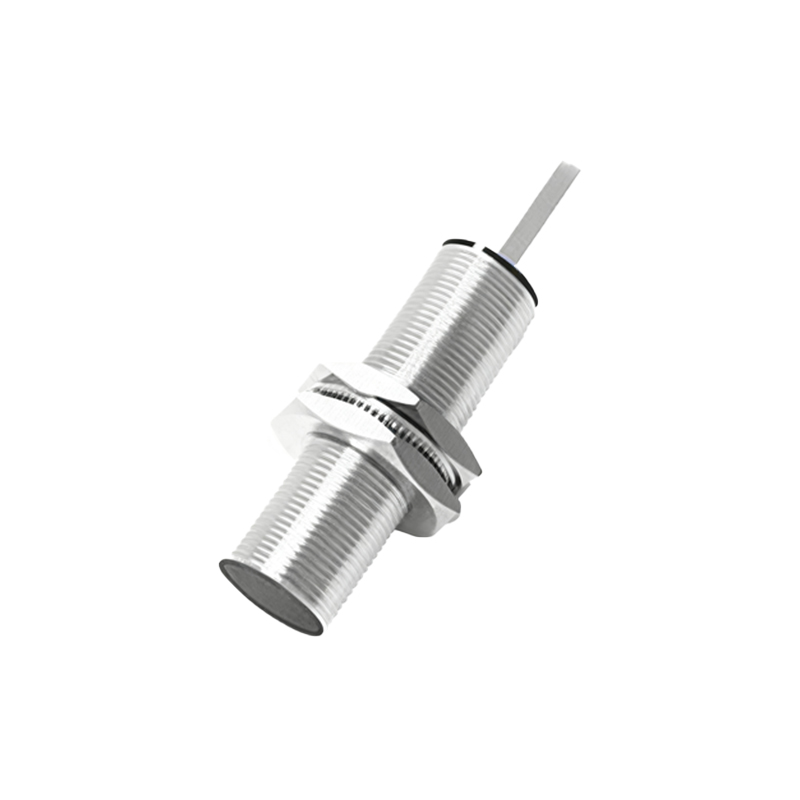
These sensors are predominantly available in two output types: DC (NPN or PNP) and AC. DC 3-wire sensors are the most common in modern systems, offering compatibility with programmable logic controllers (PLCs). The output can be normally open (NO) or normally closed (NC). Key performance characteristics include switching frequency (how many on/off cycles per second), repeat accuracy (consistency of the switching point), and hysteresis (the difference between the switch-on and switch-off points, which prevents chatter). Many models feature LED status indicators for easy diagnostics.
Applications for cylindrical inductive sensors are vast across manufacturing and process industries. They are extensively used for position detection of machine parts, such as verifying the presence of a cylinder in a fixture, monitoring the end position of a pneumatic actuator, or counting metal objects on a conveyor. In metalworking, they detect the presence of tools, workpieces, or pallets. Their sealed construction allows use in washdown areas of food and beverage plants. They are also employed for simple limit switching tasks, replacing mechanical limit switches to eliminate wear and ensure maintenance-free operation.
When selecting a cylindrical inductive proximity sensor, engineers must consider several critical parameters. First is the required sensing distance and the material of the target object. The sensor's diameter, which ranges commonly from M4, M5, M8, M12, M18, to M30, must fit the mechanical mounting constraints. The housing material should be chosen based on the chemical environment (e.g., stainless steel for corrosive atmospheres). Electrical requirements include the operating voltage (e.g., 10-30V DC, 20-250V AC), output type, and current rating. Environmental factors like temperature range, ingress protection (IP67 or IP69K for high-pressure washdown), and resistance to specific chemicals are paramount. For applications involving different metals, factor-corrected sensors with adjustable sensitivity or "all-metal" detection capability are available.

Installation is straightforward but requires attention to detail. The sensor should be mounted securely, and designers must account for the "blind zone" at the front of the sensor. A critical rule is to maintain proper lateral clearance from adjacent metal surfaces and other sensors to prevent mutual interference, as specified by the manufacturer. For flush-mountable models, they can be installed embedded in metal, while non-flush models require a free space around the sensing face for their larger magnetic field and offer a longer sensing range.
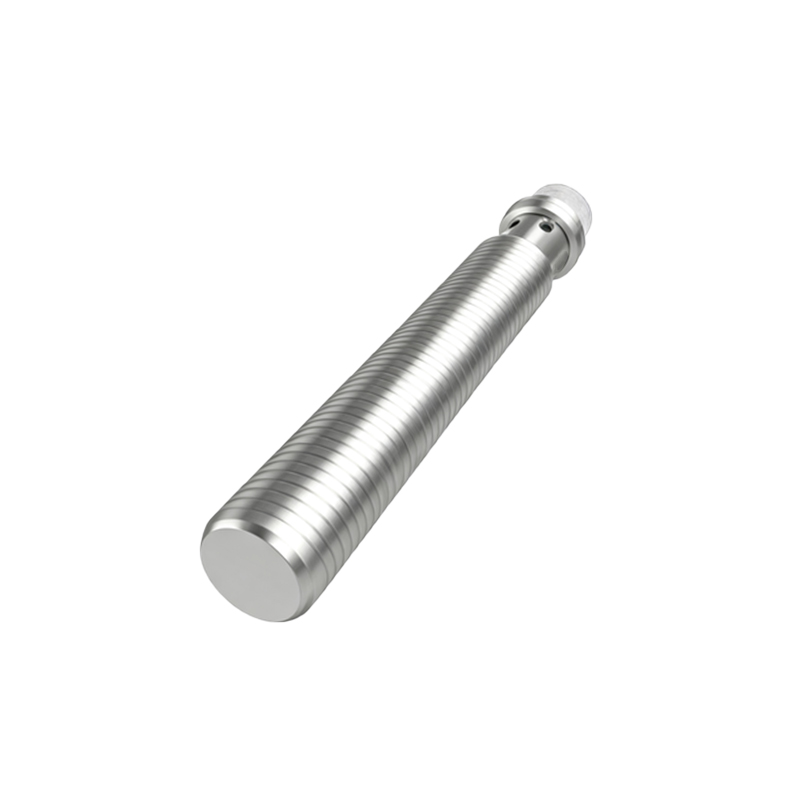
In summary, the inductive cylindrical proximity sensor is a versatile and indispensable workhorse in automation. Its non-contact nature ensures long service life and high reliability. By carefully matching the sensor's specifications—sensing distance, size, output, and environmental ratings—to the application's demands, engineers can build robust, efficient, and fault-resistant control systems. As Industry 4.0 advances, these sensors continue to evolve with features like IO-Link communication for digital parameter setting and diagnostic data, further enhancing their role in smart factories.