In the realm of industrial automation and machinery condition monitoring, turbine proximity sensors are indispensable components. They provide non-contact, high-precision measurement of rotational speed, position, and vibration for turbine shafts and blades. A common and critical question from procurement specialists, maintenance engineers, and project planners is: "How much does a turbine proximity sensor cost?" The answer is not a simple figure, as the price is influenced by a complex matrix of technical specifications, brand value, and market dynamics. This guide delves into the key factors determining the cost and provides a realistic price range for informed decision-making.
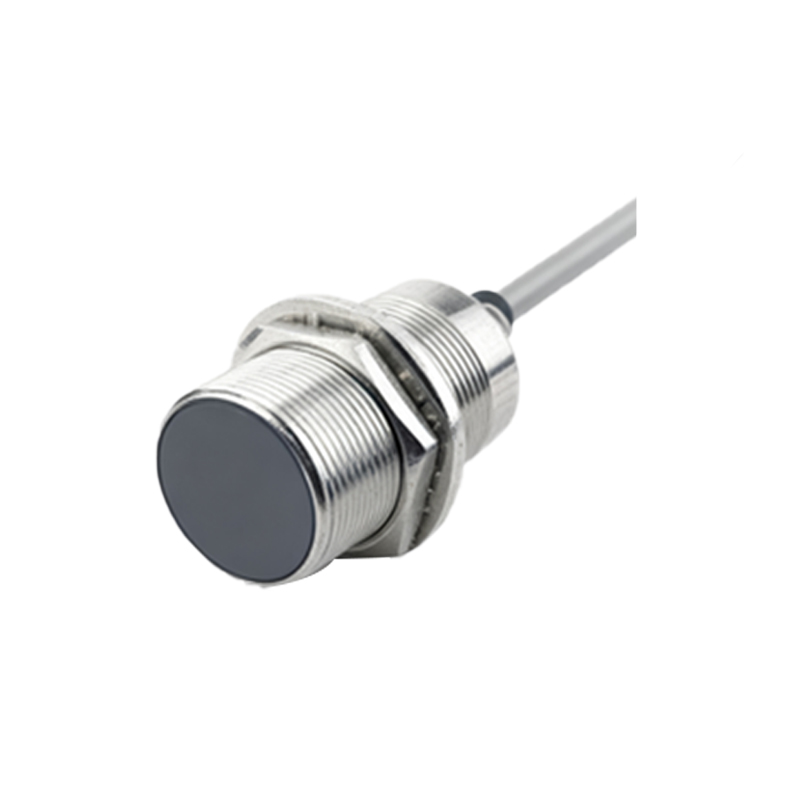
The primary determinant of cost is the sensor's technology and performance specifications. Standard inductive proximity sensors, suitable for basic speed detection on ferrous turbine components, represent the entry-level price point. However, most turbine applications demand higher-performance eddy-current or capacitive proximity sensors. Key performance metrics that escalate cost include:
Measurement Range: Sensors with larger standard ranges (e.g., 10mm vs. 2mm) are more expensive.
Accuracy and Linearity: High-precision sensors with tight linearity tolerances (e.g., ±0.5%) command a premium over standard versions.
Frequency Response: The ability to detect very high rotational speeds or rapid vibrations requires advanced electronics, increasing cost.
Temperature and Environmental Ratings: Sensors rated for extreme temperatures (beyond -40°C to +125°C), high pressure, or corrosive environments (requiring special housings like stainless steel 316) are significantly more costly. Intrinsically safe certifications for hazardous areas also add to the price.
Brand reputation and origin are substantial cost factors. Established global leaders like Bently Nevada (Baker Hughes), Siemens, Emerson, and Keyence offer premium products. Their sensors are backed by extensive R&D, global technical support, proven reliability in critical applications, and comprehensive warranties. Consequently, a sensor from these manufacturers can range from $500 to $3,000 or more per unit, depending on the model and configuration. Mid-tier and regional brands offer competitive alternatives, often priced between $200 and $1,200, providing a balance of reliability and cost-effectiveness. Economy-grade sensors may be found below $200 but are generally not recommended for critical turbine monitoring where failure can lead to catastrophic downtime.
The required configuration drastically affects the total system cost. A basic purchase might be just the sensor probe. However, most systems require a matched proximitor (the oscillator/demodulator module) and lengthy coaxial cabling. Prices must be considered for:
Sensor Probe: The sensing element itself.
Proximitor / Driver Module: Often sold separately.
Extension Cables: High-quality, shielded cables are essential for signal integrity over long distances.
Mounting Hardware and Accessories: Special brackets or connectors.
Therefore, a complete channel (probe, cable, proximitor) from a top-tier supplier can easily range from $1,500 to $5,000+. Volume purchasing for OEM integration or plant-wide retrofits typically attracts significant discounts from distributors or directly from manufacturers.
Market factors such as raw material costs (for rare-earth magnets, specialized alloys), global supply chain conditions, and regional distributor markups also cause price fluctuations. Lead times for custom or high-spec sensors can influence project costs indirectly.
In summary, while a basic inductive sensor for a non-critical turbine application might start around $150-$400, the realistic investment for a reliable, performance-oriented eddy-current proximity sensor system for critical turbine health monitoring typically falls between $1,000 and $4,000 per complete measurement point. The most prudent approach is to define your application's exact requirements—including required accuracy, environmental conditions, and necessary certifications—and then solicit formal quotations from multiple reputable suppliers. Investing in the correct sensor specification is ultimately more cost-effective than dealing with the consequences of inaccurate data or sensor failure in a multi-million dollar turbine system.