In the rapidly evolving landscape of industrial automation, proximity sensors have become indispensable components for ensuring precision, safety, and efficiency. As an experienced electrical engineer, I have witnessed firsthand the critical role that selecting the right proximity sensor supplier plays in the success of any automation project. This article delves into the key considerations, technological advancements, and strategic approaches to partnering with a reliable supplier for proximity sensor solutions.
Proximity sensors are non-contact devices designed to detect the presence or absence of objects within a specific range. They are widely used across various industries, including manufacturing, automotive, packaging, and robotics. The primary types include inductive, capacitive, ultrasonic, and photoelectric sensors, each suited to different applications based on factors such as material composition, environmental conditions, and detection requirements.
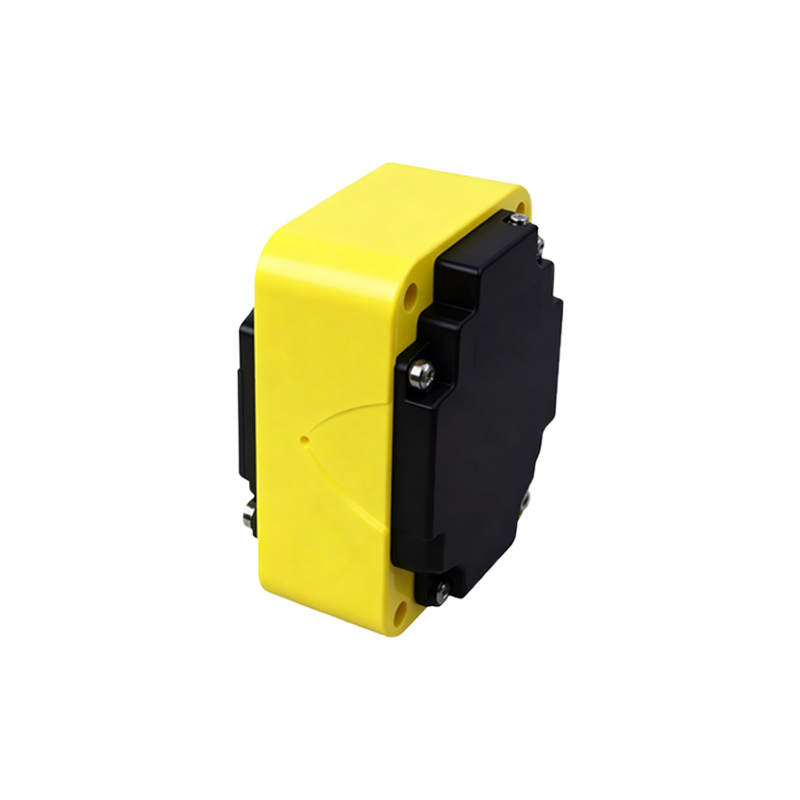
When evaluating proximity sensor suppliers, several factors must be prioritized to ensure optimal performance and long-term reliability. First and foremost is product quality and consistency. High-quality sensors exhibit minimal drift, robust construction, and adherence to international standards such as IEC 60947-5-2. Suppliers with rigorous quality control processes, such as ISO 9001 certification, are often more reliable. Additionally, technical support and customization capabilities are crucial. A supplier that offers engineering assistance, application-specific modifications, and rapid prototyping can significantly reduce development time and costs.
Another critical aspect is the supplier’s innovation and R&D investment. The industrial sector is increasingly demanding smarter sensors with features like IO-Link communication, enhanced sensing ranges, and resistance to harsh environments (e.g., extreme temperatures, moisture, and vibrations). Leading suppliers continuously innovate to meet these demands, integrating advanced materials and digital technologies to improve accuracy and durability. For instance, modern inductive sensors can now detect non-ferrous metals with high precision, while capacitive sensors are engineered to ignore false triggers from contaminants.
Supply chain resilience and logistical efficiency are also paramount. In today’s global market, disruptions can lead to costly downtime. A reliable supplier should have a robust distribution network, transparent lead times, and inventory management systems. Many top-tier suppliers offer just-in-time delivery and regional warehousing to minimize delays. Furthermore, comprehensive documentation, including detailed datasheets, installation guides, and compliance certificates, is essential for seamless integration and maintenance.
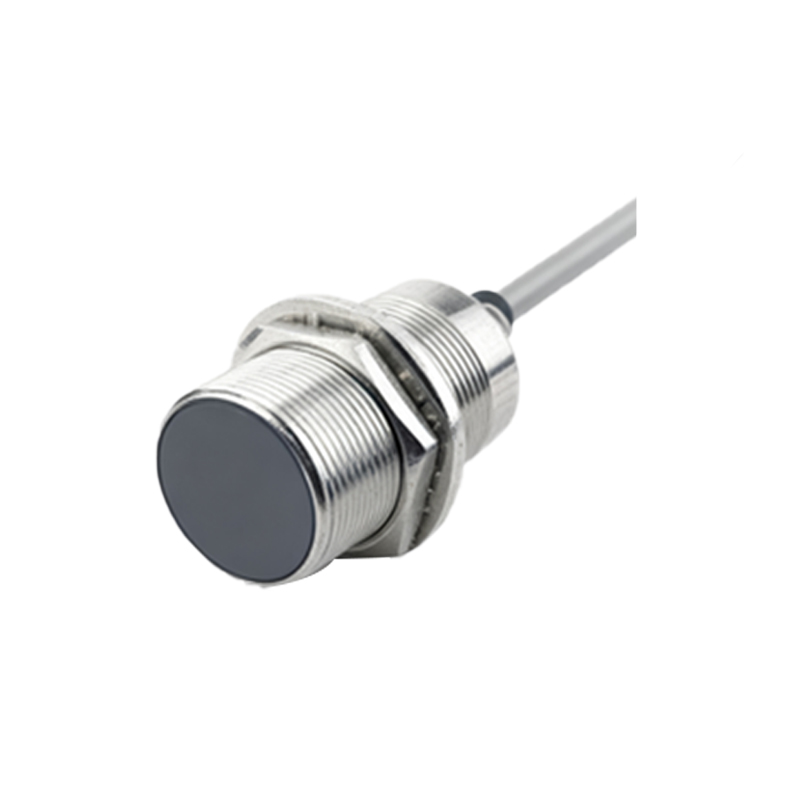
Cost-effectiveness is a balancing act between initial investment and total cost of ownership. While cheaper sensors may seem attractive, they often result in higher failure rates and maintenance expenses. Reputable suppliers provide value through extended warranties, lifecycle support, and energy-efficient designs that reduce operational costs. For example, sensors with low power consumption contribute to sustainability goals and lower electricity bills in large-scale installations.
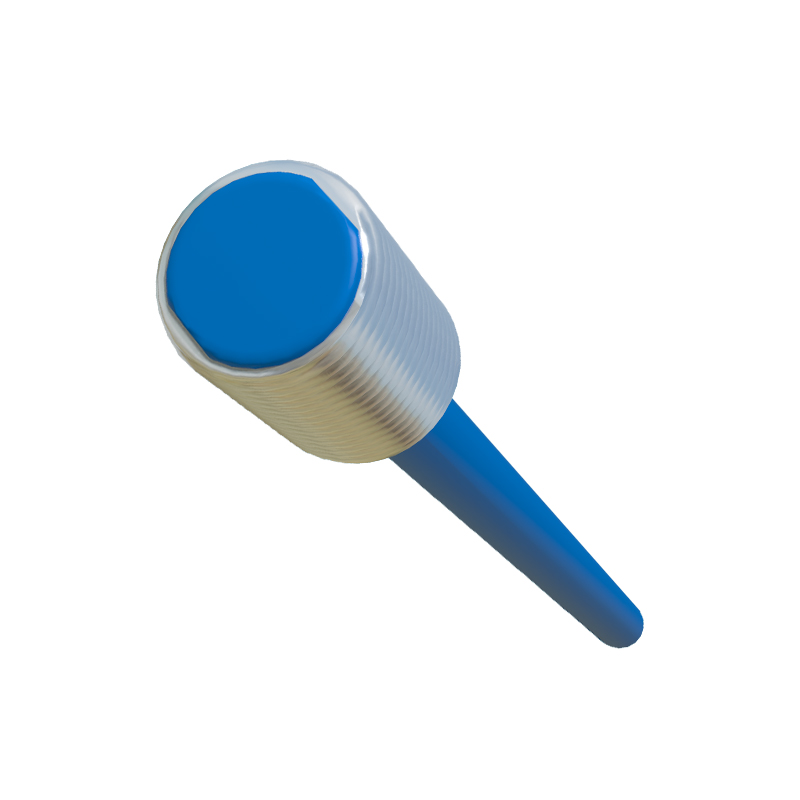
Case studies illustrate the impact of strategic supplier partnerships. In automotive assembly lines, high-precision inductive sensors from trusted suppliers ensure accurate part positioning, reducing errors and enhancing throughput. In food and beverage processing, hygienic capacitive sensors from specialized suppliers prevent contamination while withstanding frequent washdowns. These examples underscore the importance of selecting suppliers with domain expertise and proven track records.
Looking ahead, trends such as Industry 4.0 and the Industrial Internet of Things (IIoT) are reshaping proximity sensor requirements. Suppliers are now offering sensors with embedded intelligence, enabling predictive maintenance, data analytics, and seamless integration with PLCs and cloud platforms. Collaborating with forward-thinking suppliers who embrace digital transformation can future-proof your operations and unlock new efficiencies.
In conclusion, choosing the right proximity sensor supplier is a multifaceted decision that influences performance, reliability, and scalability. By prioritizing quality, innovation, support, and sustainability, engineers and procurement professionals can forge partnerships that drive operational excellence. As technology advances, continuous evaluation and adaptation will remain key to leveraging proximity sensors for competitive advantage in the industrial arena.