In modern industrial automation, the accurate detection of non-ferrous materials such as aluminum alloys presents unique challenges. Proximity sensors, specifically designed for aluminum alloy detection, have become indispensable tools in manufacturing, robotics, and quality control processes. Unlike standard inductive sensors optimized for ferrous metals, these specialized devices operate on distinct principles to reliably identify aluminum components even in demanding environments.
The core technology behind aluminum alloy detection proximity sensors often involves high-frequency oscillation or capacitive sensing methods. Inductive sensors tailored for aluminum utilize frequency modulation or damping characteristics to differentiate between aluminum and other materials. When an aluminum alloy object enters the sensor's electromagnetic field, it causes measurable changes in oscillation amplitude or frequency, triggering a detection signal. Capacitive variants, on the other hand, detect changes in capacitance caused by the presence of any material, including aluminum, making them versatile but sometimes less selective. Advanced models incorporate temperature compensation and shielding to minimize interference from ambient conditions or adjacent machinery.
Key performance parameters for these sensors include sensing distance, repeat accuracy, response time, and environmental resistance. Typical sensing ranges for aluminum alloys are shorter than for steel due to aluminum's lower electrical conductivity and permeability. For instance, a sensor with a 10mm nominal range for steel might offer only 4-6mm for aluminum. Repeat accuracy is critical in precision assembly lines, where deviations as small as ±0.01mm can affect product quality. Response times often range from 0.1ms to 5ms, suitable for high-speed conveyor systems. Industrial-grade sensors are encased in robust housings (e.g., stainless steel or PBT plastic) with IP67 or higher ratings, ensuring durability against dust, moisture, and chemical exposure.
Applications span diverse sectors. In automotive manufacturing, these sensors verify the presence of aluminum engine blocks or body panels. Packaging lines use them to detect aluminum foil seals on containers. Aerospace industries rely on them for positioning aluminum structural components during assembly. A notable case involves an automotive plant where sensors reduced misalignment errors in aluminum chassis welding by 30%, enhancing both safety and throughput.
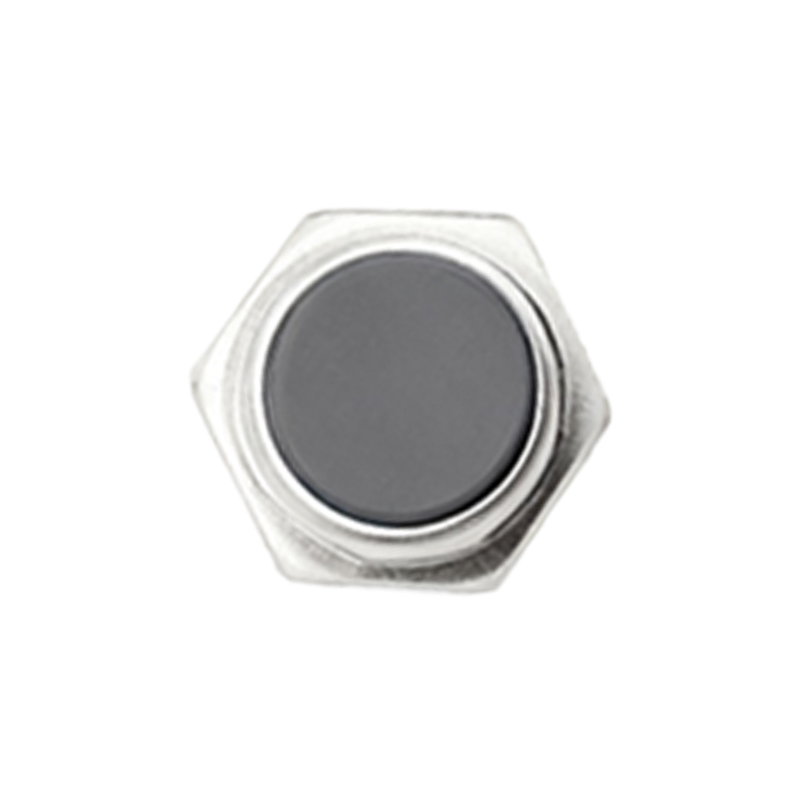
Selecting the right sensor requires careful consideration. Factors include the specific aluminum alloy type (e.g., 6061 vs. 5052), object size, required sensing distance, and environmental factors like temperature extremes or electromagnetic noise. Sensor mounting and alignment are also crucial—angular misalignment can reduce effective range. Regular maintenance, such as cleaning sensing faces and checking wiring integrity, ensures long-term reliability.
Emerging trends focus on miniaturization and smart features. Compact sensors now fit into tight spaces in robotic grippers, while IO-Link enabled models provide real-time diagnostics and parameter adjustments via digital communication. Future developments may integrate AI algorithms to distinguish between aluminum alloys and similar materials like magnesium, further reducing false triggers.
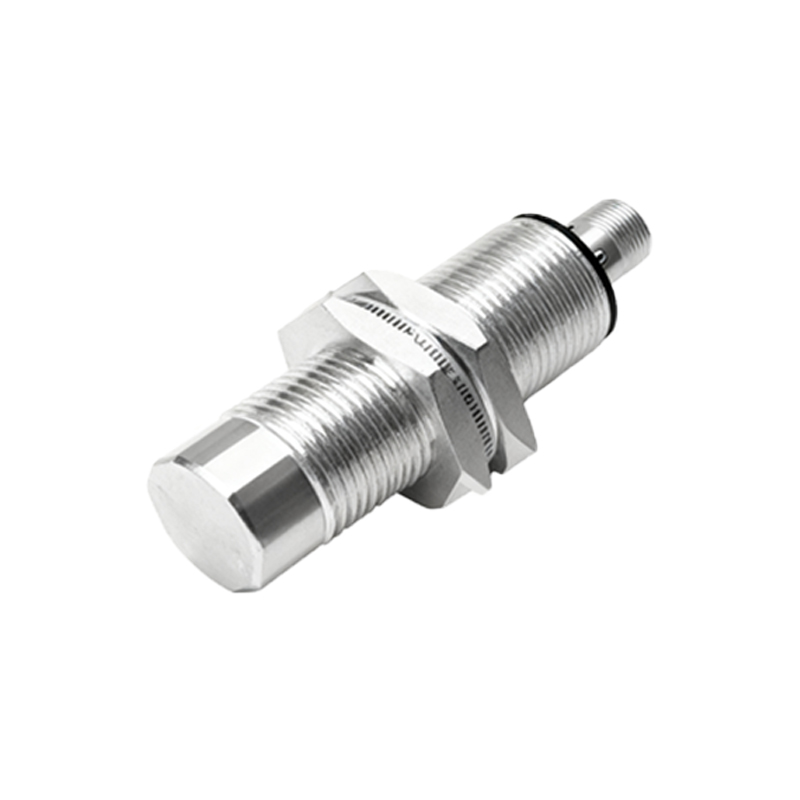
In summary, aluminum alloy detection proximity sensors are sophisticated devices that bridge the gap between standard inductive sensing and the needs of non-ferrous material handling. By understanding their operating principles and application nuances, engineers can optimize detection systems for improved efficiency, safety, and quality in industrial settings. As industries increasingly adopt lightweight aluminum components, the role of these sensors will only grow in importance.