Background suppression is a critical feature in modern laser sensors, enabling precise detection by distinguishing target objects from surrounding environments. This technology operates on the principle of triangulation or time-of-flight measurement, where the sensor emits a laser beam and analyzes the reflected signal to determine the distance to an object. By setting a specific detection range, the sensor ignores reflections from beyond this range, effectively suppressing background interference. This capability is essential in industrial settings where varying backgrounds, such as conveyor belts, machinery surfaces, or ambient light, could otherwise cause false triggers or missed detections.
The core mechanism involves adjustable sensing windows or teach-in functions, allowing users to program the sensor to respond only to objects within a defined distance. For instance, in packaging lines, a laser sensor with background suppression can reliably detect products on a moving belt while ignoring the belt itself or distant walls. Advanced models incorporate digital signal processing to filter out noise and enhance accuracy, even in challenging conditions like glossy or dark-colored objects. This precision reduces downtime and improves quality control in automated processes.
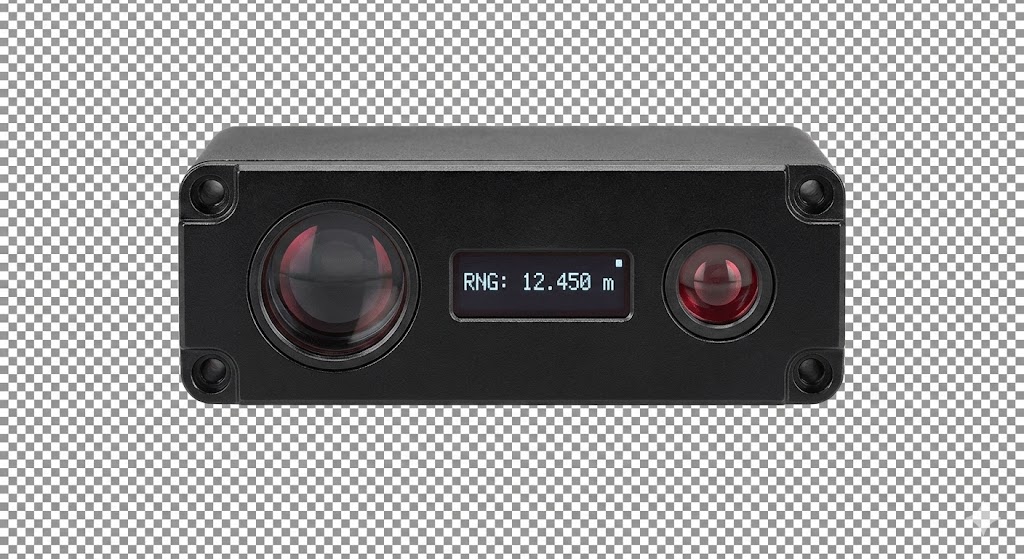
Applications span across industries, including automotive manufacturing for part presence verification, logistics for box sizing on conveyors, and robotics for obstacle avoidance. Compared to standard diffuse reflective sensors, background suppression laser sensors offer superior performance in environments with complex backgrounds, as they are less affected by surface reflectivity or color variations. However, proper installation and calibration are crucial; misalignment or incorrect range settings can lead to operational failures. Regular maintenance, such as lens cleaning and firmware updates, ensures long-term reliability.
In summary, background suppression enhances the versatility and reliability of laser sensors, making them indispensable in modern automation. By leveraging this technology, engineers can achieve higher efficiency and accuracy in diverse industrial scenarios, driving innovation in smart manufacturing and beyond.
