In the realm of industrial automation and control systems, proximity sensors stand as fundamental components, enabling machines to "sense" the presence or absence of an object without physical contact. The question isn't whether proximity sensors exist—they are a mature and ubiquitous technology—but rather which type is optimal for a specific application. This article delves into the operational principles, primary types, key applications, and critical selection criteria for these indispensable devices.
At their core, proximity sensors detect the presence of a target object within a specified sensing range. They achieve this through various physical principles, eliminating the need for mechanical contact and thereby offering high reliability, long operational life, and fast response times. This non-contact nature makes them ideal for harsh environments with dust, moisture, or where repetitive physical impact would degrade a mechanical switch.
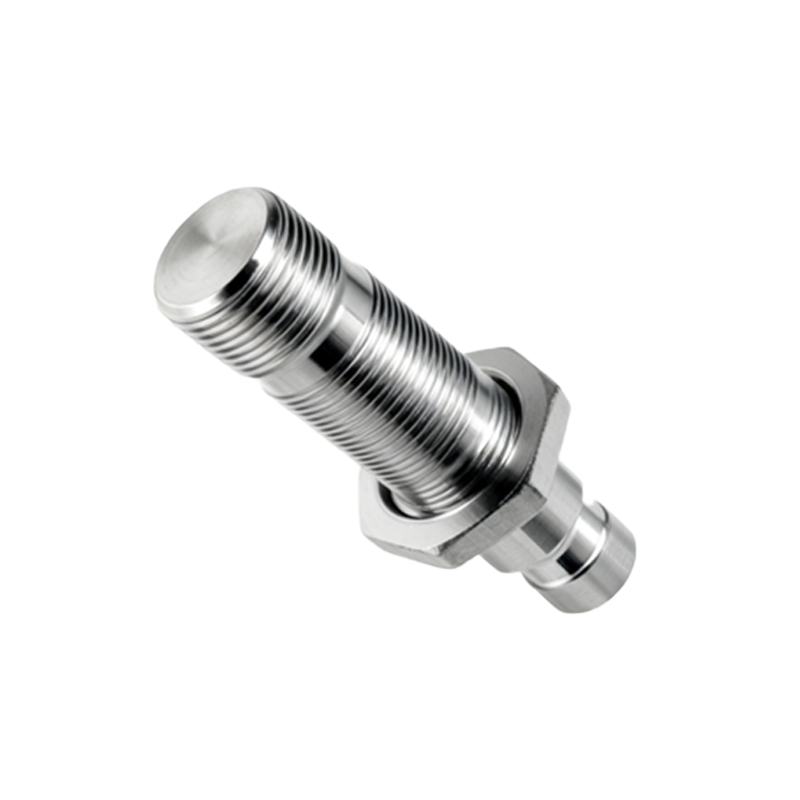
The most common types of proximity sensors are categorized by their sensing technology:
1. Inductive Proximity Sensors: These sensors generate an electromagnetic field. When a metallic object (ferrous or non-ferrous) enters this field, it induces eddy currents within the target, causing a change in the sensor's oscillation amplitude. This change is detected and converted into a switching output. Inductive sensors are exclusively for metal detection, robust, and widely used in machine tools, automotive assembly, and material handling.
2. Capacitive Proximity Sensors: These sensors function by generating an electrostatic field. Any object, metallic or non-metallic (plastic, wood, liquid, granules), that enters this field alters its capacitance, triggering a state change. This makes capacitive sensors versatile for detecting materials like glass bottles, wood panels, or monitoring liquid levels through a container wall.
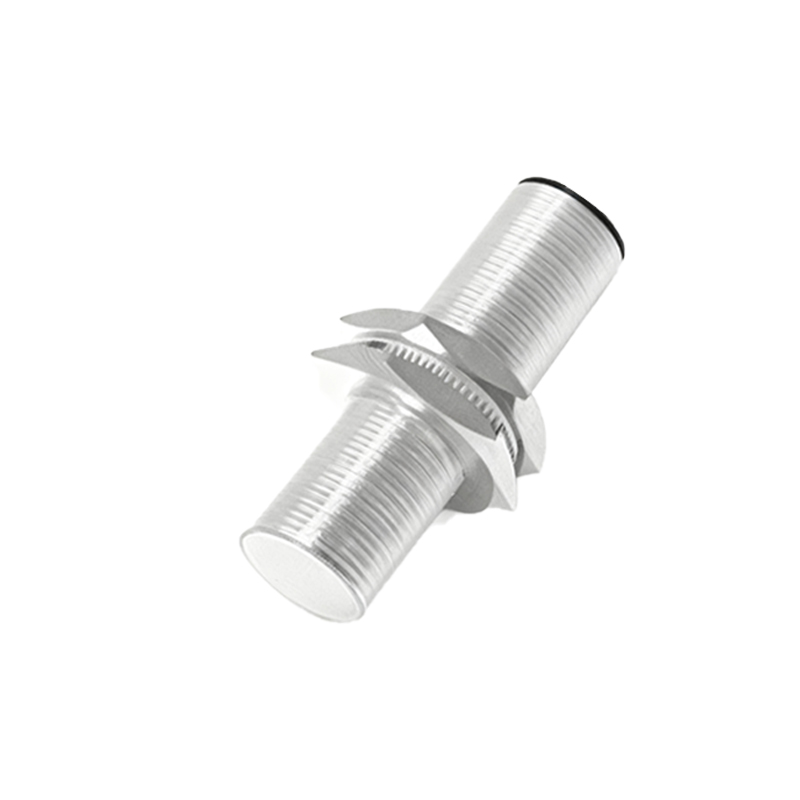
3. Ultrasonic Proximity Sensors: These emit high-frequency sound waves and evaluate the reflected echo. By measuring the time-of-flight of the sound pulse, they can determine the presence and distance of an object. Ultrasonic sensors are effective for detecting objects of virtually any material, shape, or color, and are used in distance measurement, level control for bulk solids or liquids, and collision avoidance.
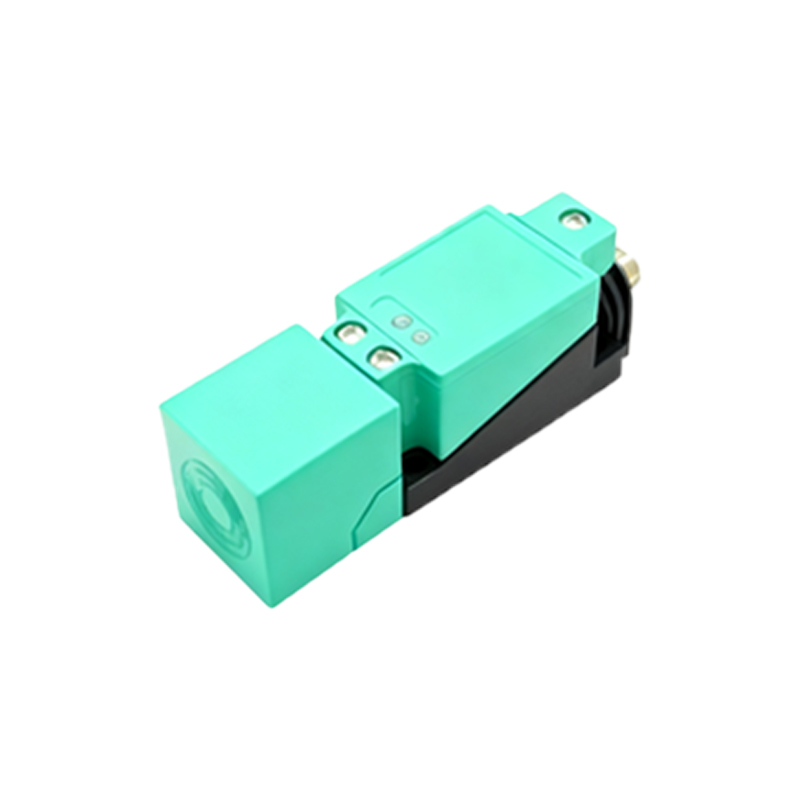
4. Photoelectric Sensors: While often considered a separate category, they perform a proximity-sensing function. They consist of a light emitter (usually LED) and a receiver. The presence of an object is detected by either the interruption (through-beam) or reflection (retro-reflective, diffuse) of the light beam. They offer long sensing ranges and can detect small objects, but performance can be affected by environmental factors like dust, fog, or the object's color and surface finish.
Key application areas span all industrial sectors. In automotive manufacturing, inductive sensors count gears or verify piston presence. In packaging lines, capacitive sensors ensure bottles are filled, while photoelectric sensors label positions. Ultrasonic sensors manage bulk material silo levels in food processing or cement plants. On automated guided vehicles (AGVs), a combination of these sensors ensures safe navigation and load handling.
Selecting the right proximity sensor requires a careful analysis of several parameters:
Target Material: Is it metal, plastic, liquid, or transparent? This dictates inductive vs. capacitive vs. ultrasonic.
Sensing Distance: The required nominal range and any necessary safety margin.
Output Type: Digital (PNP/NPN) or analog (4-20mA, 0-10V) signal.
Environmental Conditions: Exposure to temperature extremes, washdowns (IP rating), chemicals, or heavy vibration.
Installation Constraints: Sensor size, shape (barrel, rectangular), and embedding requirements.
Response Frequency: How quickly the sensor must detect objects passing by.
Furthermore, modern advancements include sensors with IO-Link communication, enabling digital parameter setting, condition monitoring, and seamless integration into Industry 4.0 frameworks for predictive maintenance.
In conclusion, proximity sensors are not a question of existence but of precise application engineering. From simple object detection to complex positioning and level control, the correct sensor choice enhances system reliability, efficiency, and safety. A thorough understanding of the target, environment, and process requirements is paramount. Consulting technical datasheets and engaging with sensor specialists during the design phase prevents operational failures and ensures optimal performance in any automated system, solidifying their role as the silent, reliable sentinels of modern industry.