In the realm of industrial automation and electrical engineering, proximity sensors are indispensable components for detecting the presence or absence of objects without physical contact. These devices are crucial for ensuring safety, efficiency, and precision in various applications, from manufacturing assembly lines to automotive systems. As the demand for reliable sensing solutions grows, several brands have established themselves as leaders in the market, offering high-quality products that cater to diverse industrial needs. This article explores the prominent brands of proximity sensors, highlighting their key features and industry applications.
One of the most renowned brands in this sector is Sick AG, a German company known for its innovative sensor technology. Sick proximity sensors are celebrated for their durability, accuracy, and advanced features, such as immune to environmental interference and long sensing ranges. They are widely used in logistics, packaging, and material handling industries, where consistent performance is essential. Another major player is Omron Corporation, a Japanese electronics giant. Omron's proximity sensors are favored for their compact design, high-speed response, and robust construction. They excel in applications like machine automation, robotics, and consumer electronics, providing reliable detection in tight spaces.
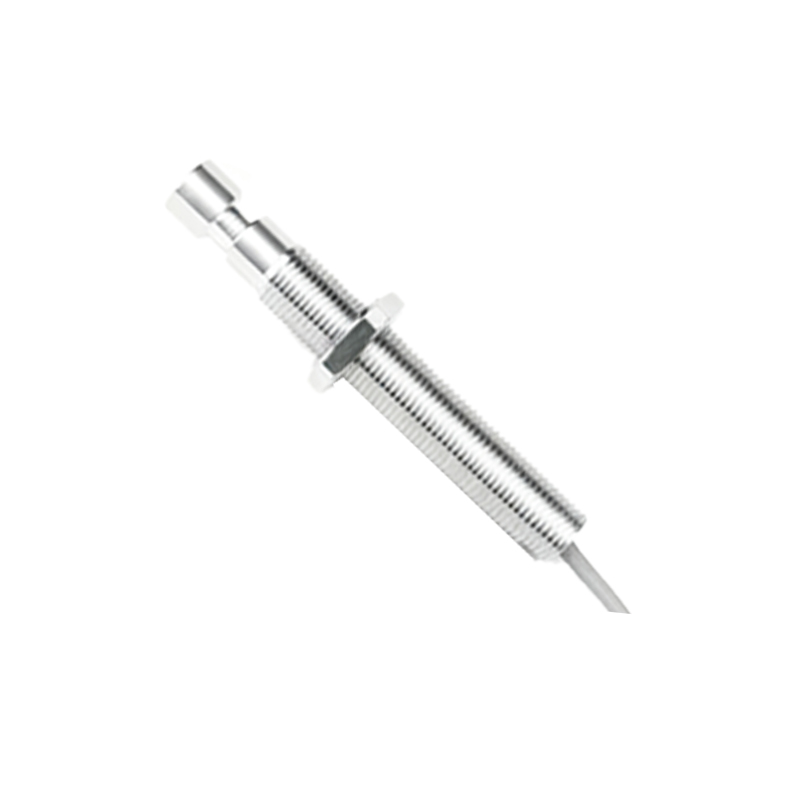
Pepperl+Fuchs, also based in Germany, is a key brand specializing in industrial sensor solutions. Their proximity sensors are designed for harsh environments, offering resistance to dust, moisture, and extreme temperatures. This makes them ideal for use in chemical plants, mining, and heavy machinery. Similarly, Balluff GmbH, another German manufacturer, is recognized for its high-precision sensors with customizable options. Balluff products are often integrated into automotive and aerospace systems, where exact detection is critical for operational safety.
In the United States, Rockwell Automation stands out as a leading provider of proximity sensors under its Allen-Bradley brand. These sensors are known for their seamless integration with automation systems, offering features like diagnostic capabilities and easy installation. They are commonly deployed in food and beverage processing, as well as pharmaceutical industries. Another notable American brand is Honeywell, which offers a range of proximity sensors with enhanced sensitivity and reliability. Honeywell sensors are utilized in building automation, security systems, and HVAC controls, contributing to energy efficiency and safety.
IFM Electronic, a German-based company, has gained popularity for its user-friendly and cost-effective proximity sensors. IFM's products emphasize simplicity in setup and maintenance, making them suitable for small to medium-sized enterprises. They are frequently applied in conveyor systems, agricultural equipment, and packaging machines. Additionally, Turck, another German brand, provides versatile proximity sensors with high immunity to electrical noise and vibration. Turck sensors are preferred in automotive manufacturing and renewable energy sectors, where stable performance under dynamic conditions is required.
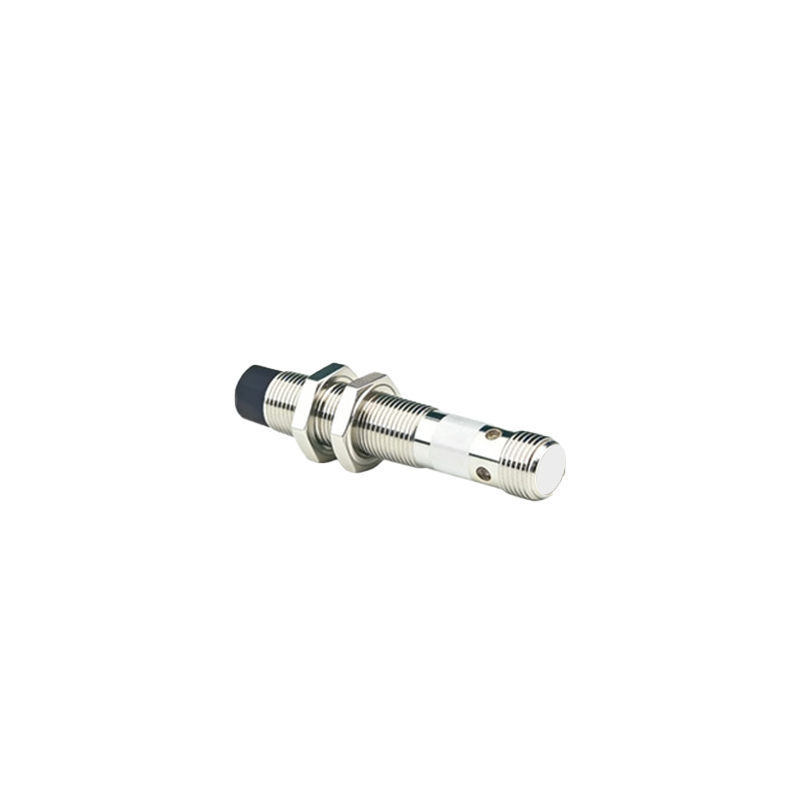
Emerging brands like Panasonic (from Japan) and Schneider Electric (from France) also contribute significantly to the market. Panasonic's proximity sensors are known for their energy efficiency and compact size, often used in consumer electronics and home appliances. Schneider Electric focuses on smart sensors that support IoT connectivity, enabling predictive maintenance and data analytics in industrial settings. These brands reflect the ongoing innovation in sensor technology, driven by trends like Industry 4.0 and automation.
When selecting a proximity sensor brand, engineers should consider factors such as sensing range, environmental conditions, output type (e.g., PNP or NPN), and compatibility with existing systems. Leading brands typically offer comprehensive support, including technical documentation and customization services, to meet specific project requirements. As industries evolve toward greater automation, the role of reliable proximity sensors will only expand, making brand choice a critical decision for optimal performance.

In summary, the proximity sensor market is dominated by established brands from Europe, Japan, and the United States, each bringing unique strengths to the table. From Sick and Omron to Rockwell Automation and IFM, these companies provide solutions that enhance productivity and safety across various sectors. By understanding the offerings of top brands, electrical professionals can make informed decisions to drive innovation in their projects.