Laser color recognition sensors represent a significant advancement in industrial automation, offering precise and reliable color detection capabilities. These sensors operate by emitting a laser beam onto a target surface and analyzing the reflected light to determine color properties. Unlike traditional color sensors that use broad-spectrum LED light sources, laser-based sensors provide enhanced accuracy, especially in challenging environments with variable ambient light or low contrast conditions. The core technology involves spectroscopy principles, where the sensor measures specific wavelengths of light reflected from an object. Industrial-grade laser color sensors typically incorporate high-resolution spectrometers or advanced photodiodes paired with optical filters to isolate color signatures.
In manufacturing applications, these sensors are indispensable for quality control processes. For instance, in automotive assembly lines, they verify correct color matching of painted components, ensuring aesthetic consistency and brand integrity. In electronics manufacturing, laser color sensors detect markings on PCBs or components, facilitating accurate part identification and sorting. The food and beverage industry utilizes them to inspect product packaging, confirming label colors and expiration date legibility. Pharmaceutical companies rely on such sensors to check pill coatings or packaging seals, where color deviations may indicate contamination or defects.
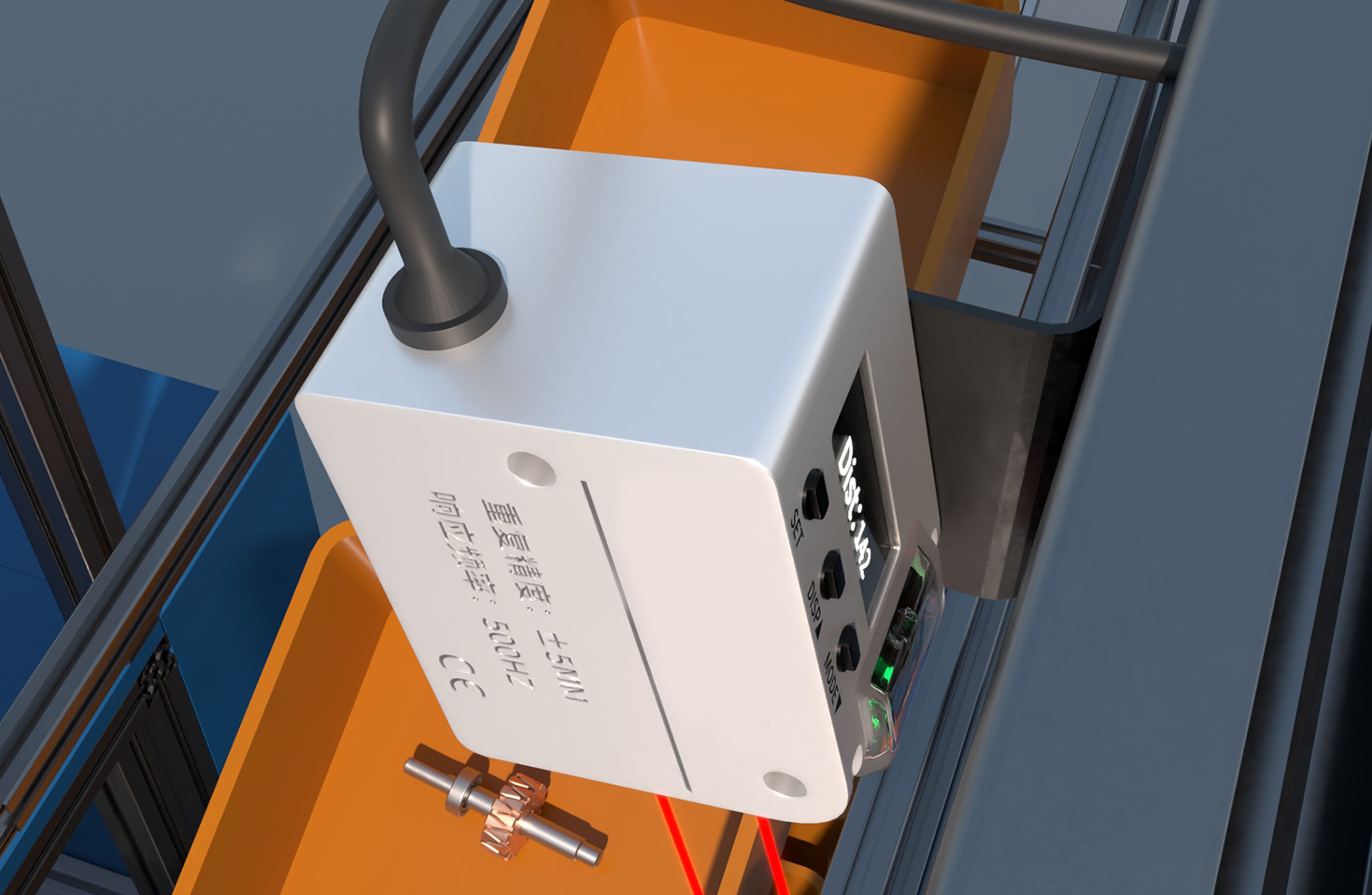
Key advantages of laser color sensors include high-speed operation, with some models capable of thousands of measurements per second, and exceptional repeatability across production runs. Their narrow laser beam allows for precise targeting of small areas, even on moving objects, reducing false readings. Modern sensors often feature integrated processors that enable real-time data analysis and communication via industrial protocols like IO-Link, Ethernet/IP, or PROFINET. This connectivity supports Industry 4.0 initiatives by allowing seamless integration into networked automation systems for predictive maintenance and data logging.
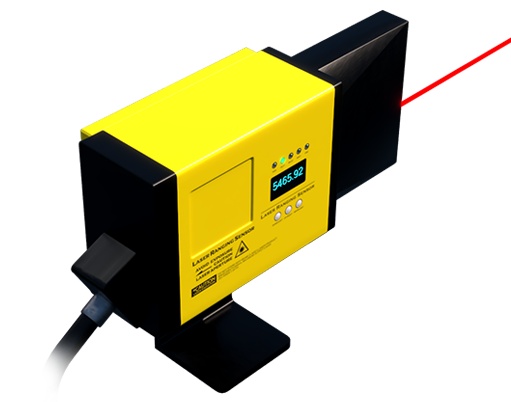
When selecting a laser color recognition sensor, engineers must consider factors such as sensing distance, spot size, and environmental robustness. Many industrial models are built with IP67 or higher ratings to withstand dust, moisture, and vibration. Calibration procedures are critical; most sensors offer teach-in functions where they learn color references from sample objects. Advanced models provide tolerance settings to accommodate natural material variations while still flagging significant defects.
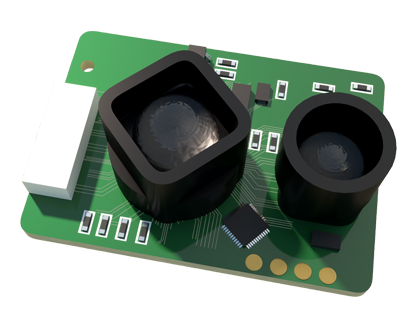
Future trends point toward miniaturization and enhanced multispectral analysis, allowing sensors to distinguish subtler color gradations or detect materials based on chemical composition. As machine vision systems evolve, laser color sensors will increasingly incorporate AI algorithms for adaptive learning, further improving automation flexibility. Their role in ensuring product quality, reducing waste, and optimizing production efficiency solidifies their importance in modern industrial ecosystems.