In the rapidly evolving industrial automation landscape, photoelectric proximity sensors have become indispensable components for object detection, positioning, and quality control. As demand surges across manufacturing, packaging, logistics, and automotive sectors, understanding the price dynamics of these sensors is crucial for procurement specialists, system integrators, and engineers.
The global market for photoelectric sensors is influenced by several key factors. Primarily, the cost of raw materials—including semiconductors, LEDs, lenses, and housing materials like PBT or stainless steel—directly impacts pricing. Fluctuations in silicon and rare-earth element markets have led to periodic price adjustments. Additionally, advancements in technology, such as the integration of IO-Link communication, background suppression, or laser-based models, create a wide price spectrum. Entry-level diffuse sensors may start as low as $20-$50 per unit, while high-precision, long-range sensors with specialized housings for harsh environments can exceed $300.
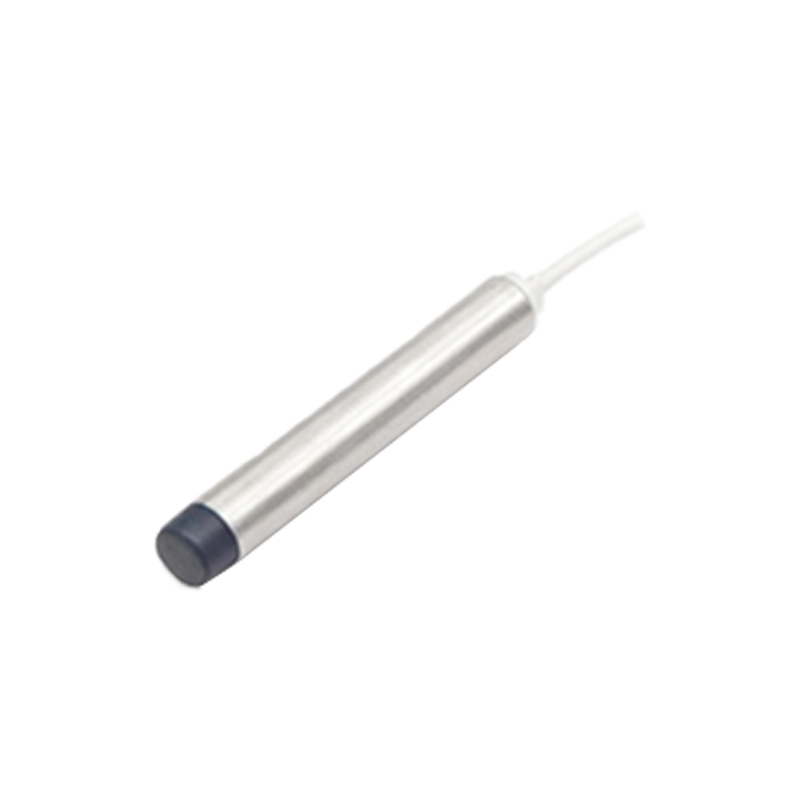
Regional manufacturing hubs also play a significant role. Sensors produced in Europe and North America often carry a premium due to stricter quality controls and labor costs, whereas Asian-made alternatives, particularly from Japan, China, and Taiwan, offer competitive pricing without necessarily compromising on reliability. This has led to a diversified supply chain where buyers balance cost against brand reputation and certification requirements (e.g., IP67, ATEX).
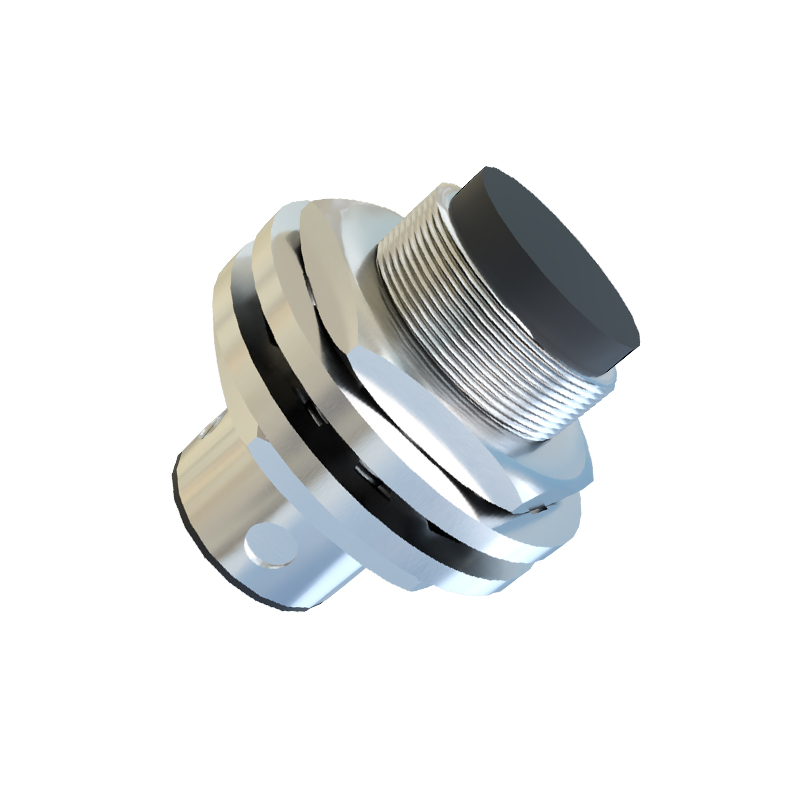
Market trends indicate a gradual price decline for standard models due to mass production and improved manufacturing efficiencies. However, the adoption of Industry 4.0 and IIoT (Industrial Internet of Things) is driving demand for smart sensors with embedded diagnostics and connectivity, which command higher prices. The average price for a mid-range photoelectric sensor with moderate sensing range and basic output options currently ranges between $80 and $150. Bulk purchasing, often through authorized distributors or direct OEM agreements, can reduce costs by 10-20%.
Supply chain disruptions, as witnessed in recent years, continue to cause volatility. Lead times and component shortages may result in temporary price spikes, prompting many industries to stock critical sensor variants. Furthermore, environmental regulations pushing for energy-efficient and RoHS-compliant designs add marginal cost increments.
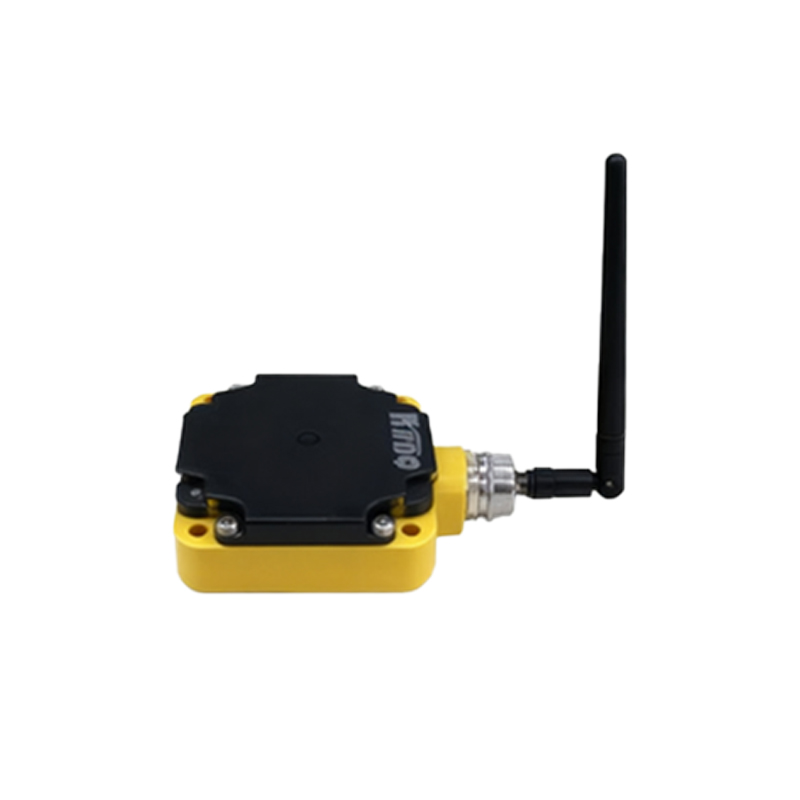
For businesses planning investments, it is advisable to conduct a total cost of ownership analysis—factoring in durability, maintenance needs, and compatibility with existing systems—rather than focusing solely on upfront price. Partnering with reputable suppliers who offer technical support and warranty services can mitigate risks associated with cheaper, uncertified products.
In summary, photoelectric proximity sensor prices reflect a complex interplay of technology, geography, and market forces. While competitive pricing is available, strategic procurement should emphasize value, reliability, and future-proofing to optimize automation investments.