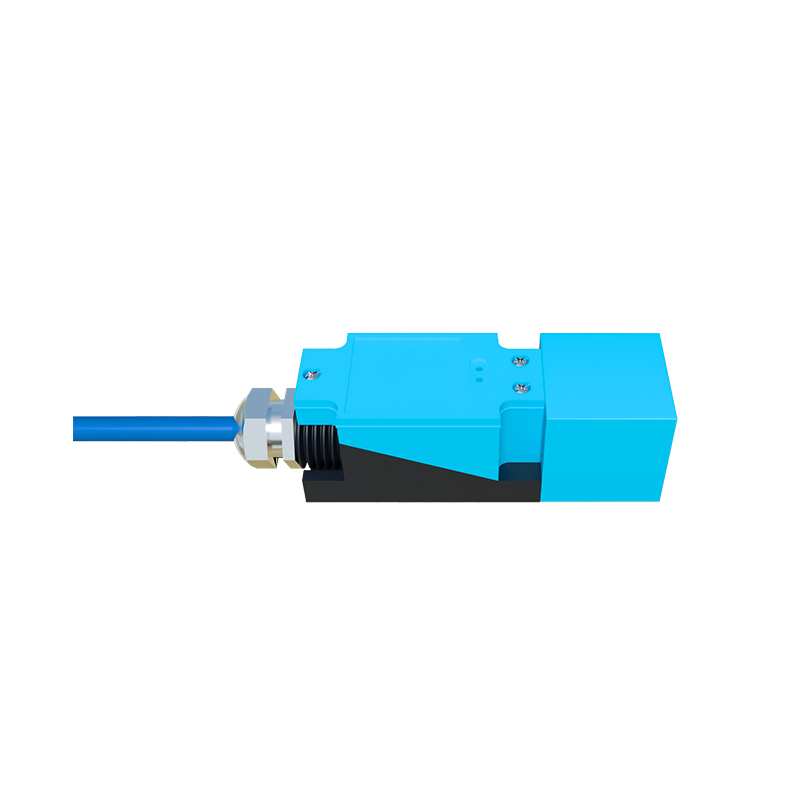
In industrial automation and process control, accurate water level measurement is critical for operational efficiency, safety, and resource management. Proximity sensors, known for their non-contact detection capabilities, are often considered for such applications. But the question remains: Are proximity sensors truly accurate for measuring water levels? This article delves into the technical aspects, advantages, limitations, and best practices for using proximity sensors in water level monitoring, providing a comprehensive analysis for engineers and industry professionals.
Proximity sensors operate by emitting an electromagnetic field or beam and detecting changes in the return signal when an object enters their sensing range. Common types include inductive, capacitive, and ultrasonic proximity sensors. For water level measurement, capacitive and ultrasonic sensors are most relevant due to their ability to detect non-metallic materials like liquids. Capacitive sensors measure changes in capacitance caused by the presence of water, while ultrasonic sensors use sound waves to determine distance to the water surface.
Accuracy in water level measurement depends on several factors. First, sensor selection is paramount. Capacitive sensors offer high precision in controlled environments but can be affected by changes in water conductivity, temperature, or contamination. Ultrasonic sensors provide excellent accuracy over longer distances and are less sensitive to water properties, but they may struggle with turbulence, foam, or vapor interference. Typical accuracy ranges from ±0.1% to ±1% of the sensing range, depending on the sensor type and calibration.
Environmental conditions play a significant role. Factors such as temperature fluctuations, humidity, and pressure can impact sensor performance. For instance, capacitive sensors might drift with temperature changes, requiring compensation circuits. Ultrasonic sensors can be affected by air density variations, which alter sound speed. Proper installation is also crucial; sensors must be positioned to avoid obstructions, air bubbles, or splashing, which can cause false readings. Calibration against a known reference, like a manual dipstick or pressure transducer, enhances accuracy.
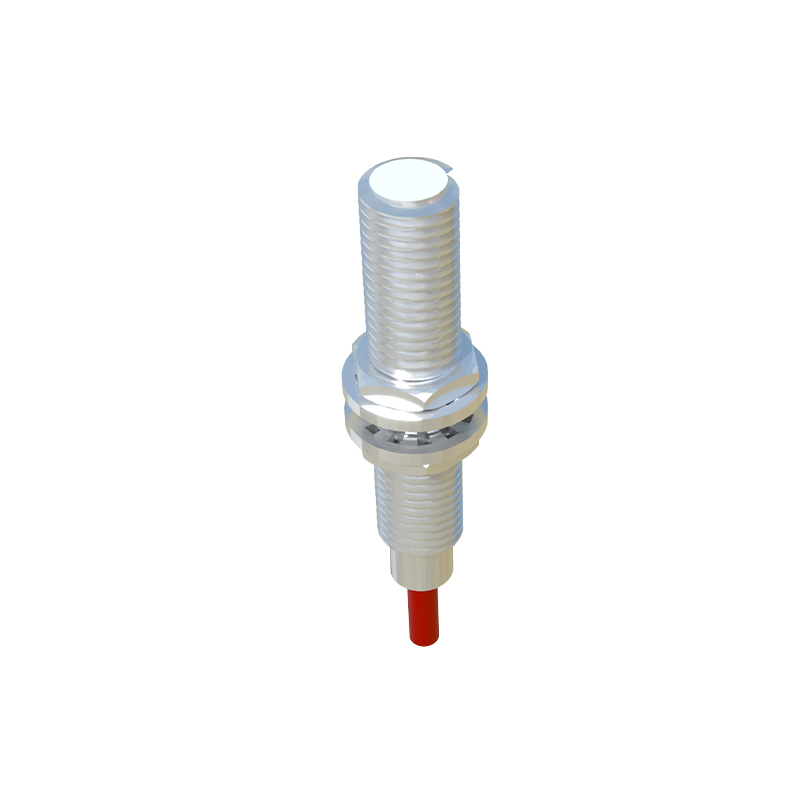
Advantages of using proximity sensors for water level measurement include non-contact operation, which prevents corrosion or contamination, and fast response times suitable for dynamic systems. They are also durable, with many models offering IP67 or higher ratings for harsh environments. However, limitations exist. Proximity sensors may not be ideal for very high-precision applications, such as laboratory-grade measurements, where alternatives like pressure sensors or float switches might outperform them. Cost can be another consideration, with high-accuracy models being more expensive.
In practice, proximity sensors excel in applications like tank level monitoring, wastewater treatment, and irrigation systems. For example, in a storage tank, ultrasonic sensors can provide continuous level data with minimal maintenance. To ensure accuracy, engineers should conduct regular maintenance, including cleaning sensor surfaces and verifying calibration. Integrating sensors with PLCs or SCADA systems allows for real-time monitoring and automated adjustments.
In conclusion, proximity sensors can be accurate for water level measurement when selected and applied correctly. Their suitability depends on the specific requirements of the application, environmental factors, and proper installation. By understanding the technology's strengths and weaknesses, engineers can leverage proximity sensors to achieve reliable and efficient water level control in various industrial settings.