In the realm of industrial automation and control systems, proximity sensors are indispensable components. Their primary function is to detect the presence or absence of an object without physical contact. To ensure reliable selection, integration, and performance comparison, a thorough understanding of their standard parameters is crucial. This guide delves into the key specifications that define a proximity sensor's capabilities and operational boundaries.
The most fundamental parameter is the Sensing Distance (Sn). This nominal value, typically specified in millimeters or inches, indicates the ideal detection range for a standard target under defined conditions. It is critical to note that the actual effective sensing distance can be influenced by factors such as target material, size, shape, and environmental temperature. Engineers must always refer to the sensor's data sheet for reduction factors when using non-standard targets, like different metals.
Closely related is the Assured Operating Distance (Sa). This is a practical safety margin, usually 0 to 81% of the nominal sensing distance (Sn), within which the sensor's operation is guaranteed despite supply voltage fluctuations and temperature variations. Designing with the assured operating distance in mind prevents marginal detection and ensures system robustness.
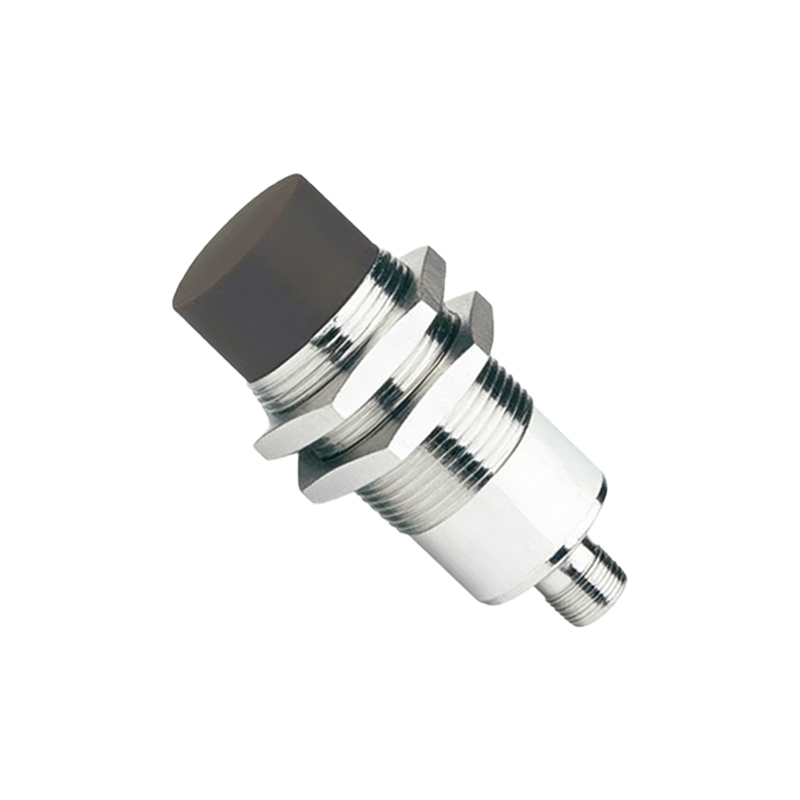
Hysteresis (H) is a vital parameter for stable switching. It is the difference between the switch-on point (when the target approaches) and the switch-off point (when the target moves away). Hysteresis prevents output oscillation or "chatter" when a target is positioned precisely at the sensing edge, thereby enhancing reliability in dynamic applications.
The Switching Frequency defines the maximum number of on/off cycles the sensor can perform per second (Hz). This parameter is paramount in high-speed applications, such as counting objects on a fast conveyor or detecting teeth on a rotating gear. Exceeding this frequency can lead to missed detections.
Output Configuration is a key electrical parameter. Proximity sensors are commonly available with discrete outputs: PNP (sourcing) or NPN (sinking) transistor outputs for DC models, and two-wire AC/DC or three-wire AC/DC configurations. The choice depends entirely on the control system's input module requirements. Mismatching PNP and NPN outputs with the controller is a common installation error.
Rated Operating Voltage and Voltage Range specify the power supply requirements. Operating a sensor outside its specified voltage range can lead to malfunction or permanent damage. Additionally, Current Consumption and Load Current (the maximum current the output switch can handle) must be considered to properly size the power supply and ensure the connected load (e.g., a relay, PLC input) is within limits.
Environmental ratings are non-negotiable for industrial durability. The Ingress Protection (IP) Rating (e.g., IP67) indicates the level of protection against dust and water. For harsh environments involving coolants or chemicals, sensors with appropriate IP ratings or specific chemical resistance are mandatory. Operating Temperature Range specifies the ambient conditions within which the sensor will perform to its published specifications.
For inductive proximity sensors (which detect metals), Target Material correction factors are essential. The sensing distance is standardized for mild steel (Fe360). For other metals like stainless steel, aluminum, or copper, the effective sensing distance is reduced. These factors, often presented as a table, must be applied during the design phase.
Finally, Short-Circuit Protection, Reverse Polarity Protection, and Surge Protection are critical built-in safety features. They protect the sensor from common wiring mistakes and voltage transients on the supply lines, significantly improving mean time between failures (MTBF) and reducing downtime.
In conclusion, selecting a proximity sensor goes beyond just the sensing distance. A systematic review of all standard parameters—sensing characteristics (Sn, Sa, Hysteresis), electrical specifications (output type, voltage, current), mechanical and environmental ratings, and target-specific data—is essential for optimal, reliable, and safe integration into any control system. Always consult the manufacturer's detailed technical data sheet for the definitive specifications under your specific application conditions.