In the rapidly evolving landscape of industrial automation, precision, reliability, and non-contact measurement are paramount. Optical screen laser sensors have emerged as a cornerstone technology, offering unparalleled capabilities for object detection, positioning, and dimensional analysis. This article delves into the operational principles, key applications, and critical factors for selecting the right sensor for your specific needs.
At its core, an optical screen laser sensor operates by projecting a thin, fan-shaped laser beam to create a precise "light curtain" or optical screen. This screen acts as a sensitive detection plane. A receiver, positioned opposite the emitter, continuously monitors the intensity of this light curtain. When an object interrupts this plane, it causes a measurable change in the received light signal—typically a reduction in intensity. The sensor's integrated electronics process this change, triggering a high-speed digital output signal. This fundamental principle allows for the detection of objects regardless of their material composition, color, or surface texture, provided they are opaque enough to interrupt the beam. Advanced models utilize modulated laser light to enhance immunity to ambient light interference, ensuring stable operation even in challenging factory environments.
The applications for optical screen laser sensors are vast and varied across numerous industries. In material handling and packaging, they are indispensable for precise object counting, height verification, and jam detection on conveyor lines. Their ability to detect minute objects makes them ideal for ensuring correct component placement in electronic assembly, verifying the presence of pins, leads, or small parts. In the automotive sector, these sensors are deployed for robot guidance, checking door seal gaps, and verifying the correct positioning of components on assembly pallets. Furthermore, they serve as critical safety devices, functioning as non-contact safety light curtains to protect personnel around hazardous machinery by instantly halting operation when the protective screen is breached.
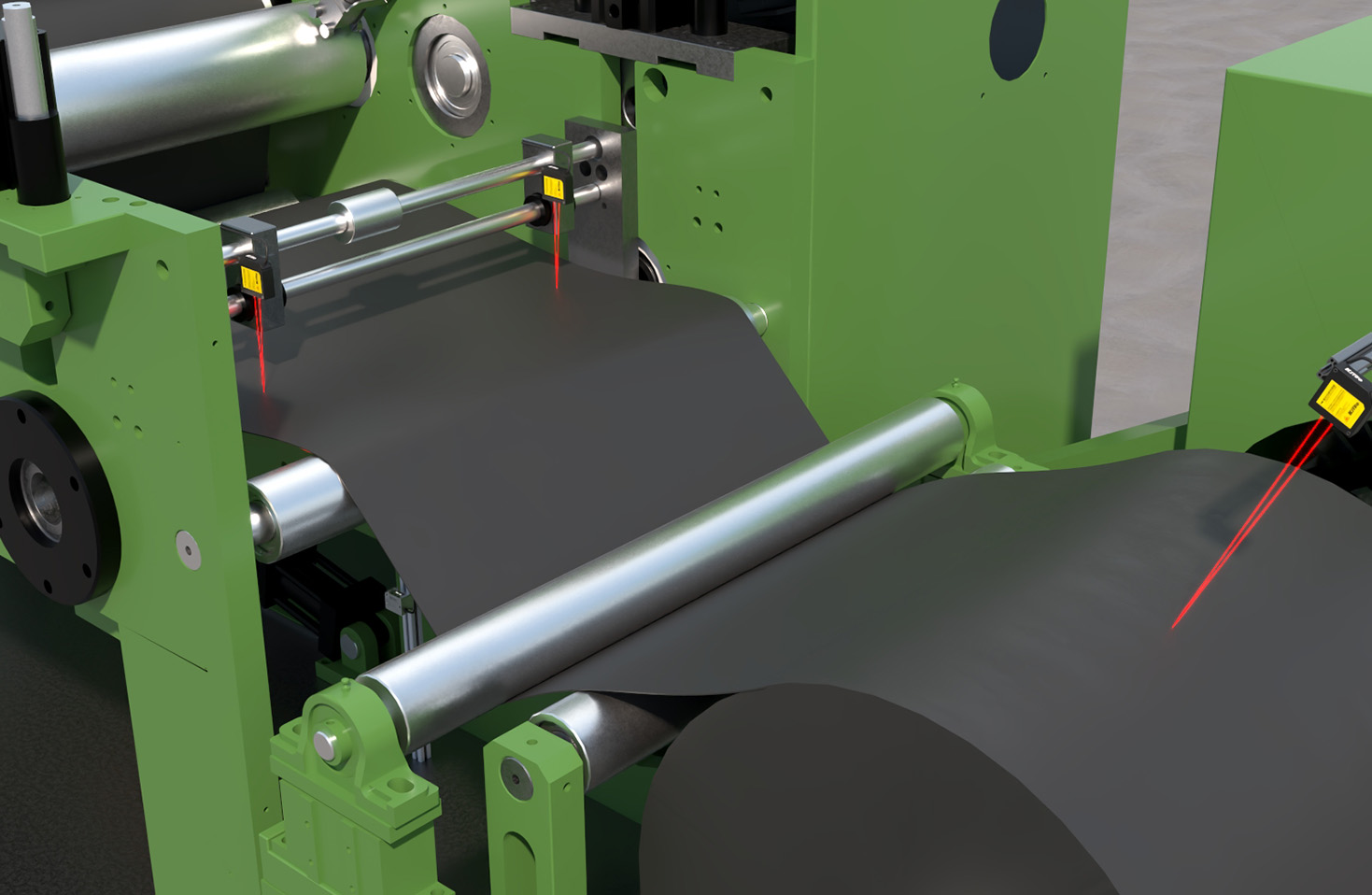
Selecting the appropriate optical screen laser sensor requires careful consideration of several technical parameters. First, the resolution or minimum detectable object size is crucial; it determines the smallest interruption in the light screen that the sensor can reliably register. Second, the scanning range or effective beam length must match the required detection width. Third, the response time dictates how quickly the sensor can react to an intrusion, which is vital for high-speed production lines. Environmental factors cannot be overlooked. Sensors must have suitable Ingress Protection (IP) ratings to withstand dust, moisture, and coolant sprays. The housing material (often stainless steel or ruggedized plastic) must endure physical impact and chemical exposure. Additionally, output options (PNP/NPN, analog, or IO-Link) should be compatible with the existing control system, such as a PLC.
Modern optical screen laser sensors offer sophisticated features that extend their utility. Background suppression technology allows the sensor to ignore objects beyond a programmed distance, focusing only on the target area. Multi-beam configurations can create a dense grid for profiling complex object shapes or for advanced safety applications. Teach-in functionality simplifies setup, allowing users to program detection thresholds by simply presenting the object to the sensor. Integration with industrial networks via IO-Link provides not only digital signals but also rich diagnostic data, enabling predictive maintenance and detailed process monitoring.

In conclusion, optical screen laser sensors are a versatile and robust solution for modern industrial sensing challenges. Their non-contact nature, high speed, and material-independent detection make them superior to mechanical limit switches or vision systems in many applications. By understanding the underlying technology, recognizing the breadth of applications, and meticulously evaluating specifications against operational requirements, engineers and system integrators can leverage these sensors to enhance automation efficiency, improve product quality, and ensure workplace safety. As Industry 4.0 drives demand for smarter, more connected devices, the role of the optical screen laser sensor will only continue to expand, solidifying its position as a fundamental component in the automated factory of the future.