In the realm of industrial automation and control systems, proximity sensors are indispensable components for non-contact detection of objects. The performance, reliability, and application suitability of these sensors are profoundly influenced by the material of their sensing probe or face. The probe material dictates critical parameters such as sensing range, environmental resistance, target compatibility, and longevity. For electrical engineers and system designers, selecting the appropriate probe material is a fundamental step in ensuring optimal system performance. This article provides a detailed exploration of the common and specialized materials used in proximity sensor probes, outlining their properties, advantages, and typical applications.
The most prevalent material for inductive proximity sensor probes, designed to detect metallic targets, is stainless steel. Grades such as 304 and 316 stainless steel offer an excellent balance of mechanical strength, corrosion resistance, and cost-effectiveness. 304 stainless is suitable for general industrial environments, while 316 stainless, with higher molybdenum content, provides superior resistance to chlorides and acidic conditions, making it ideal for food processing, marine, or chemical applications. The magnetic permeability of standard stainless steels is sufficient for reliable sensing, though it slightly reduces the nominal sensing distance compared to a pure iron core.
For applications demanding maximum sensing range and sensitivity to mild steel targets, probes with a ferrite core are often employed. Ferrite, a ceramic compound of iron oxide, exhibits high magnetic permeability. This property concentrates the sensor's electromagnetic field, allowing it to detect objects from a greater distance. However, ferrite is a brittle material, mechanically weak compared to metal. Therefore, it is typically used as an internal core material, protected by a robust plastic or resin housing. These sensors are excellent for precise positioning tasks but may be less suitable for environments with severe mechanical shock or vibration.
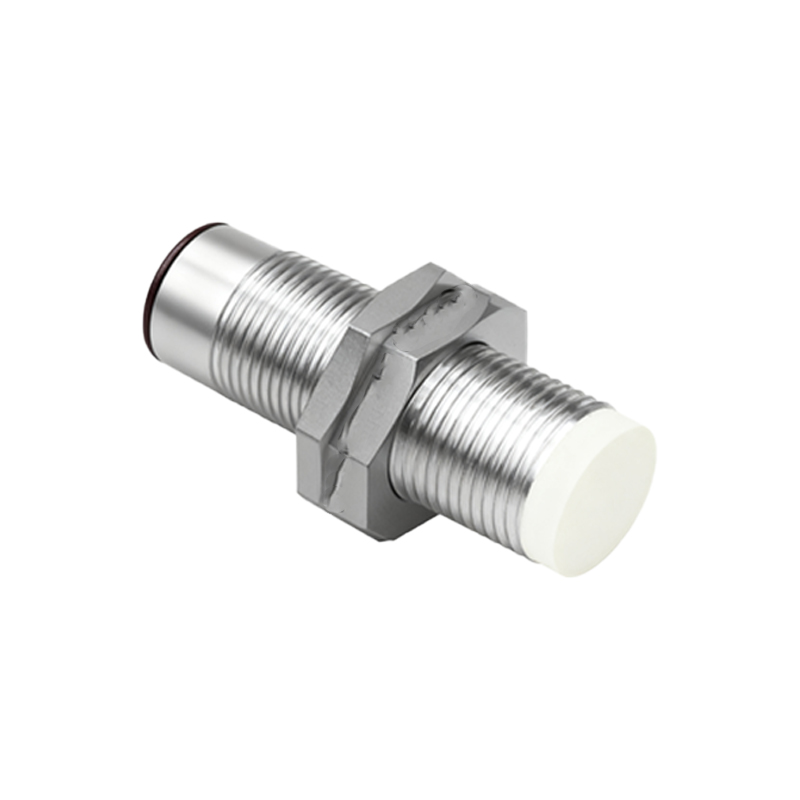
In harsh environments where chemical resistance, extreme temperatures, or high-pressure washdowns are concerns, probes made from specialized plastics or polymers are the standard choice. Polyphenylene Sulfide (PPS) and Polytetrafluoroethylene (PTFE, commonly known as Teflon) are two leading materials. PPS probes offer outstanding resistance to a wide range of chemicals, high thermal stability (withstanding temperatures up to 220°C), and high mechanical strength. They are ubiquitous in automotive, packaging, and chemical plants. PTFE is the ultimate choice for highly corrosive environments, offering nearly universal chemical inertness and exceptional non-stick properties, crucial in sticky material handling or pharmaceutical applications. Its lower mechanical strength and higher cost are trade-offs for its unparalleled chemical resistance.
For capacitive proximity sensors, which can detect both metallic and non-metallic materials, the probe material choice is equally critical. These sensors often use probes made from plastics like PBT (Polybutylene Terephthalate) or the aforementioned PPS. The dielectric constant of the probe material itself can influence sensitivity. In some designs, a metallic foil or coating is applied behind the plastic face to shape the electrostatic field. The primary requirement is that the face material must not interfere with the fringing electric field and must be compatible with the target material and the operating environment, such as resisting moisture absorption.
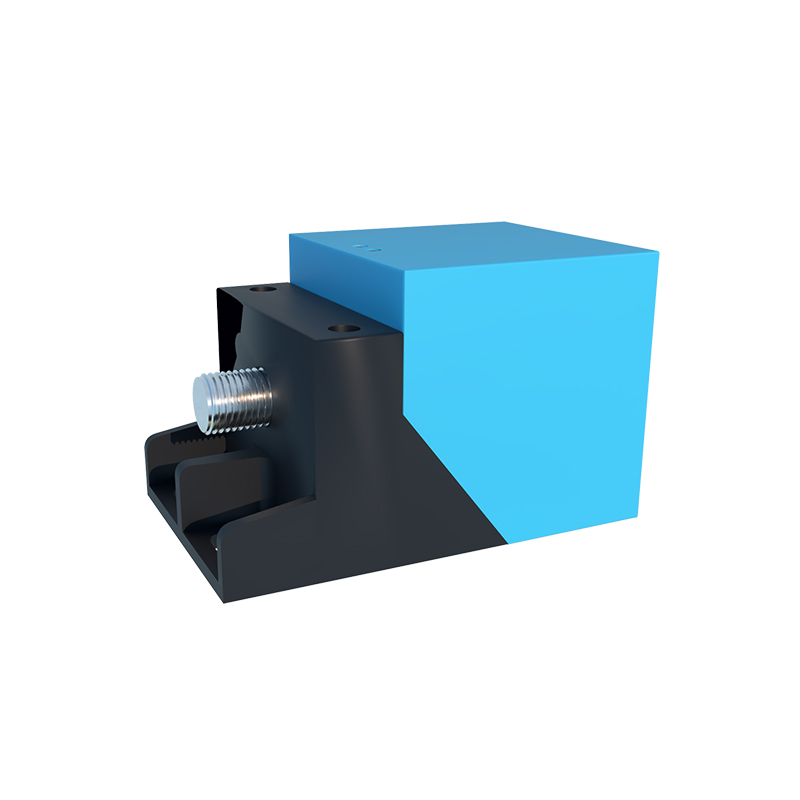
Beyond these common materials, specialized alloys and coatings are used for niche applications. Nickel-plated brass probes offer good corrosion resistance and are sometimes used in cost-sensitive designs. For high-temperature applications exceeding the limits of PPS, sensors with ceramic-faced probes (e.g., aluminum oxide) are available, capable of withstanding temperatures over 500°C, though at a significant cost premium. In washdown or outdoor environments, sensors with a housing and probe face made from PVDF (Polyvinylidene Fluoride) provide excellent resistance to UV radiation and repeated sterilization.
The selection process must be a holistic evaluation. An engineer must consider the target material (steel, aluminum, copper, plastic, liquid), the required sensing distance, the ambient environment (temperature, presence of oils, coolants, acids, alkalis, or abrasive dust), and any mechanical factors like potential for physical impact. For instance, using a standard stainless-steel probe to detect aluminum will result in a drastically reduced sensing range due to aluminum's lower conductivity and permeability. Conversely, specifying an expensive PTFE probe for a clean, dry, indoor conveyor detecting steel would be an unnecessary cost.
In conclusion, the probe material is not merely a protective cover but an integral, functional part of a proximity sensor's design. From robust stainless steel and sensitive ferrite cores to inert PTFE and resilient PPS, each material enables the sensor to perform reliably in specific operational regimes. A deep understanding of these material properties empowers electrical engineers to make informed decisions, directly contributing to the robustness, efficiency, and longevity of automated control systems. Always consult the sensor manufacturer's datasheets for specific material compatibility charts and derating factors related to your unique application conditions.