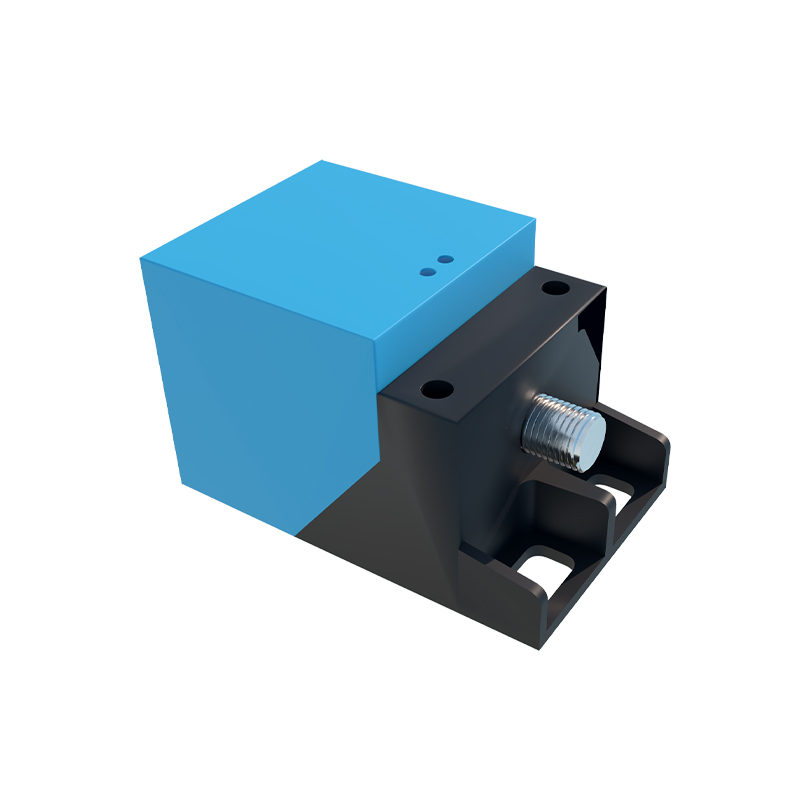
In the rapidly evolving landscape of industrial automation and machinery, proximity sensors have become indispensable components. These non-contact devices detect the presence or absence of an object, enabling critical functions in manufacturing, packaging, robotics, and safety systems. For engineers, procurement specialists, and project managers, identifying and contacting reliable proximity sensor suppliers is a crucial step in ensuring project success, maintaining production uptime, and securing a stable supply chain. This guide provides a professional methodology for locating supplier contact information, primarily focusing on telephone communication, while adhering to industry best practices.
The initial phase involves thorough research to create a qualified supplier shortlist. Industry-specific online directories like Thomasnet.com, GlobalSpec, or Engineering360 are invaluable starting points. These platforms allow for filtering by sensor type (inductive, capacitive, photoelectric, ultrasonic), sensing range, output type, and specific certifications (e.g., ATEX, IECEx for hazardous environments). Major trade shows, such as the Automation Fair or SPS IPC Drives, offer direct access to numerous suppliers, though obtaining direct phone lines often requires follow-up after the event. Furthermore, technical publications and reputable industry websites frequently feature advertisements and vendor profiles with contact details.
Once a list of potential suppliers is compiled, the next step is to locate their official contact telephone numbers. The primary source should always be the supplier's official corporate website. Navigate to the "Contact Us," "Support," or "Sales" section. Here, you will often find regional or global headquarters numbers, as well as dedicated lines for technical support, sales inquiries, and customer service. It is essential to identify the correct regional office for your location to ensure efficient call routing. For larger, multinational corporations like Siemens, Omron, Pepperl+Fuchs, or Schneider Electric, they typically have separate phone numbers for different product divisions or geographic regions.
Preparing for the telephone call is as important as making it. Before dialing, gather all relevant project specifications: required sensor type, quantity, electrical specifications (voltage, output), housing material, required connectors, and any special environmental conditions (high temperature, washdown). Having part numbers from a datasheet or a competitor's equivalent model can significantly expedite the conversation. Clearly define the purpose of your call—whether it's requesting a quote, seeking technical clarification, inquiring about lead times, or discussing custom solutions.
When making the call, professionalism is paramount. State your name, company, and the nature of your inquiry concisely. For technical questions, ask to speak with an applications engineer or a technical support specialist. For commercial inquiries, request the regional sales manager or a inside sales representative. Be prepared for potential call routing or being directed to a voicemail system. If leaving a message, enunciate clearly, state your name, company, callback number, and a brief summary of your need. Follow-up is critical; if you do not receive a callback within a stated timeframe, call again or utilize alternative contact methods like email to create a paper trail.
While the telephone offers immediacy and personal interaction, it should be part of a multi-channel communication strategy. Use the initial call to establish a direct contact person. Subsequent detailed technical discussions or formal quote requests are often better handled via email, which provides a written record. For routine ordering or stock checks, many suppliers now offer online portals. However, the telephone remains the superior tool for resolving urgent issues, negotiating complex terms, or building a strategic relationship with your supplier's key personnel.
In conclusion, successfully contacting a proximity sensor supplier by phone requires systematic research, precise preparation, and professional execution. By leveraging official corporate directories, targeting the correct departmental contact, and communicating your requirements clearly, you can establish effective partnerships that ensure a reliable supply of high-quality components. Remember, the goal is not merely to obtain a phone number, but to initiate a productive business relationship that supports your operational and engineering objectives for the long term.