In the realm of industrial automation and precision measurement, the 180 laser sensor stands as a pivotal technology, offering unparalleled accuracy, reliability, and versatility. This advanced sensor operates on the principle of laser triangulation or time-of-flight measurement, emitting a focused laser beam at a 180-degree field of view or within specific angular configurations to detect, measure, or inspect objects with micron-level precision. Its design typically incorporates high-grade optical components, robust housing for harsh environments, and intelligent signal processing units, making it indispensable in modern manufacturing, robotics, and quality control systems.
The core functionality of a 180 laser sensor lies in its ability to perform non-contact measurements. By projecting a laser dot or line onto a target surface, the sensor captures the reflected light using a CMOS or CCD array. Displacement or changes in the reflected pattern are then calculated in real-time, providing data on distance, thickness, profile, or presence detection. This non-invasive approach eliminates mechanical wear, reduces maintenance costs, and enhances operational efficiency, especially in high-speed production lines where traditional contact sensors would falter.
Industrial applications of 180 laser sensors are vast and varied. In automotive manufacturing, these sensors are deployed for weld seam inspection, gap measurement between body panels, and component alignment, ensuring stringent safety and aesthetic standards. The electronics industry relies on them for PCB flatness testing, solder paste inspection, and micro-component placement, where even minor deviations can lead to device failure. Additionally, in logistics and packaging, 180 laser sensors facilitate dimensioning, barcode reading, and object sorting with high throughput, optimizing warehouse automation.
Environmental adaptability is another hallmark of 180 laser sensors. Engineered to withstand extreme temperatures, vibrations, dust, and ambient light interference, they perform consistently in challenging settings like foundries, outdoor construction sites, or clean rooms. Advanced models feature IP67 or higher ingress protection, corrosion-resistant materials, and temperature compensation algorithms, guaranteeing long-term stability. Integration with industrial networks—such as Ethernet/IP, PROFINET, or IO-Link—enables seamless data exchange with PLCs and SCADA systems, supporting Industry 4.0 initiatives for smart factories.
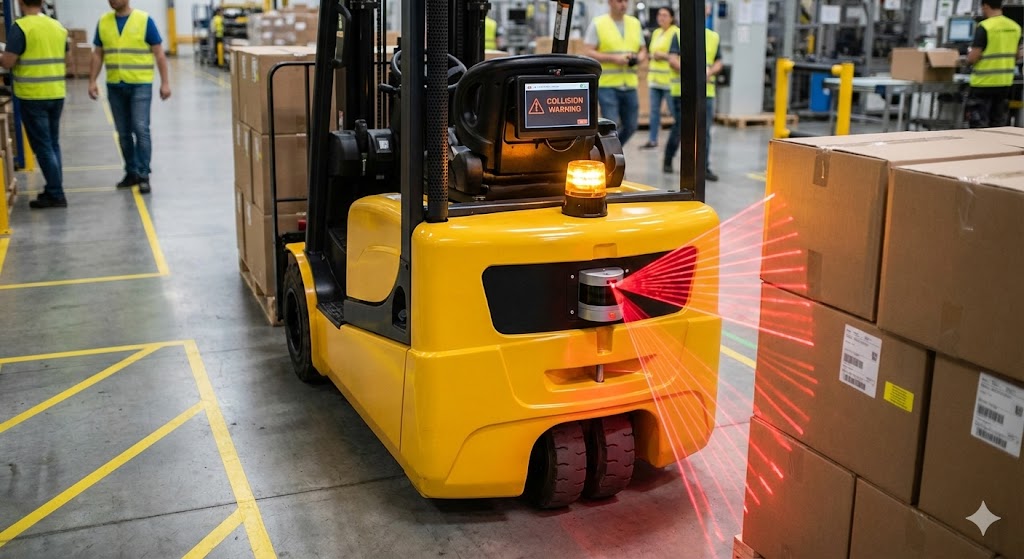
Despite their advantages, selecting the right 180 laser sensor requires careful consideration of parameters like measurement range, resolution, response time, and output interfaces. For instance, short-range sensors (e.g., 0-50mm) offer sub-micron resolution for precision tasks, while long-range variants (up to several meters) suit large-scale monitoring. Users must also account for surface properties—glossy, dark, or transparent materials may require specialized sensors with adjustable laser power or filtering options to avoid measurement errors.
Looking ahead, innovations in 180 laser sensor technology continue to emerge. The integration of AI and machine learning algorithms allows for predictive maintenance and adaptive calibration, reducing downtime. Miniaturization trends enable deployment in compact robotic grippers or wearable devices, expanding applications in healthcare and aerospace. Furthermore, the development of multi-beam and 3D profiling sensors enhances spatial analysis capabilities, paving the way for more complex automation tasks.
In summary, the 180 laser sensor represents a cornerstone of industrial innovation, driving efficiency, quality, and safety across sectors. Its non-contact precision, rugged design, and connectivity features make it a critical tool for engineers seeking to optimize processes and embrace digital transformation. As industries evolve toward greater automation, the role of these sensors will only grow, underscoring their importance in the technological landscape.