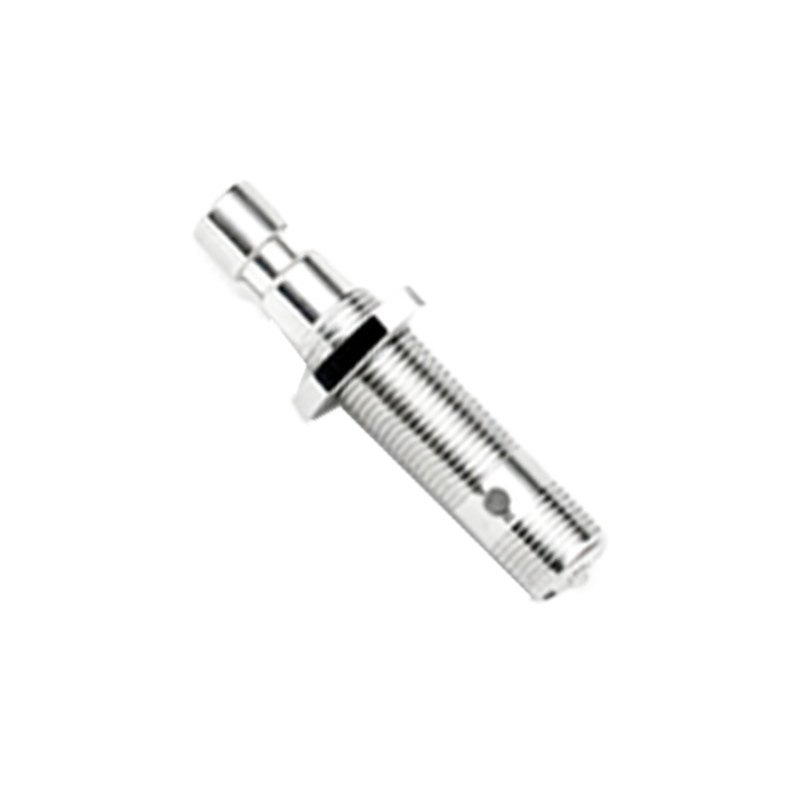
In the industrial automation and control sector, long-range proximity sensors are critical components for detecting objects at extended distances without physical contact. The pricing of these sensors is not arbitrary; it is influenced by a complex interplay of technical specifications, environmental considerations, and market dynamics. This article delves into the key factors that determine the cost of long-range proximity sensors, providing engineers and procurement professionals with a comprehensive guide to making informed purchasing decisions.
First and foremost, the sensing range is a primary driver of price. Standard inductive or capacitive sensors typically have ranges up to 60mm, whereas specialized long-range variants—often utilizing ultrasonic, laser, or microwave technologies—can detect objects from several meters away. Sensors with a range of 10 meters will invariably command a higher price than those with a 2-meter range due to the advanced electronics and precision components required. The relationship between range and cost is generally exponential, not linear, as achieving greater distances demands more sophisticated signal processing and noise immunity.
The underlying technology is another significant cost factor. Inductive sensors, suitable for metallic objects, are generally the most economical for moderate ranges. Capacitive sensors, which can detect non-metallic materials, tend to be slightly more expensive. For the longest ranges, laser triangulation sensors and time-of-flight (ToF) sensors are employed. Laser sensors offer high accuracy and resolution but come at a premium price. Ultrasonic sensors provide a cost-effective solution for many long-range applications involving solid or liquid level detection, though they may sacrifice some precision. Microwave radar sensors, used in harsh outdoor environments, are among the most expensive due to their complexity and robustness.

Environmental ratings, particularly the Ingress Protection (IP) and NEMA ratings, directly impact price. A sensor rated IP67 (dust-tight and protected against temporary immersion) or IP69K (resistant to high-pressure, high-temperature washdowns) will cost more than an IP65-rated device. Similarly, sensors designed for extreme temperatures (e.g., -40°C to 85°C), high vibration, or corrosive atmospheres require specialized housings, seals, and materials, adding to the manufacturing cost. For outdoor or heavy-industry applications, this ruggedness is non-negotiable and a major price component.
Output configuration and connectivity also influence the price tag. Basic sensors with simple PNP/NPN digital outputs are the most affordable. Sensors featuring analog outputs (4-20mA, 0-10V), IO-Link digital communication, or fieldbus protocols (Profibus, Profinet, EtherNet/IP) incorporate additional circuitry and firmware, increasing their cost. IO-Link sensors, which provide detailed diagnostic data and parameterization capabilities, offer great value but have a higher initial purchase price compared to standard models.
Accuracy, repeatability, and response time are performance metrics that correlate with cost. A laser sensor with ±0.1% full-scale accuracy and a 1ms response time is engineered to much tighter tolerances than a ultrasonic sensor with ±1% accuracy and a 100ms response. Applications in precision robotics, packaging, or metrology demand high-performance sensors, and this performance is reflected in the price.
Finally, brand reputation, certification (e.g., ATEX, IECEx for hazardous areas), and supply chain factors play crucial roles. Established manufacturers with global support networks and proven reliability often price their products higher. Customization requests, such as specific cable lengths, connector types, or form factors, will also lead to additional costs compared to off-the-shelf models.
In summary, when evaluating a quote for a long-range proximity sensor, professionals must look beyond the base price. A holistic assessment of the required range, technology, environmental durability, output needs, and performance specifications is essential. Investing in a sensor with the right capabilities for the application often proves more cost-effective in the long run, minimizing downtime and maintenance expenses. Always request detailed datasheets and consult with technical sales engineers to ensure the selected sensor meets both operational and budgetary requirements.