Proximity sensors are fundamental components in modern industrial automation, robotics, and consumer electronics. These devices detect the presence or absence of an object within a specified range without physical contact, offering reliability, speed, and durability. This article explores the basic principles, common types, key applications, and factors to consider when selecting a proximity sensor for various engineering projects.
At its core, a proximity sensor operates by emitting a field or beam of electromagnetic radiation, such as infrared light, ultrasonic waves, or an electromagnetic field. When an object enters this field, it causes a change in the signal, which the sensor detects and converts into an electrical output. This non-contact detection method eliminates mechanical wear, reduces maintenance needs, and enables high-speed operation in harsh environments like factories or outdoor settings.
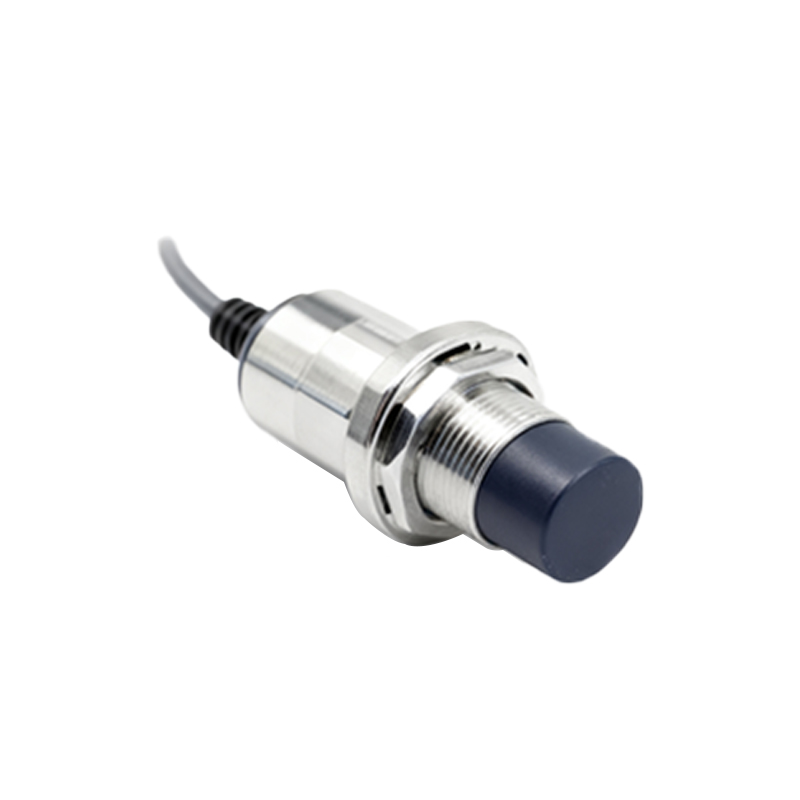
Several types of proximity sensors are widely used in industry. Inductive proximity sensors are popular for detecting metallic objects. They generate an oscillating electromagnetic field, and when a metal target approaches, it induces eddy currents that dampen the oscillation, triggering the sensor. These sensors are ideal for applications involving ferrous or non-ferrous metals, such as in conveyor systems or machine tools. Capacitive proximity sensors, on the other hand, can detect both metallic and non-metallic materials, including liquids, plastics, and wood. They work by measuring changes in capacitance caused by an object altering the electrical field around the sensor. This makes them suitable for level detection in tanks or packaging lines. Ultrasonic proximity sensors use sound waves to measure distance to an object. They emit high-frequency pulses and calculate the time taken for the echo to return, allowing for precise detection of various materials, even in dusty or humid conditions. Common uses include object positioning and collision avoidance in automated guided vehicles (AGVs). Photoelectric sensors, which include through-beam, retro-reflective, and diffuse types, rely on light beams to detect objects. They are versatile and can sense a wide range of materials over long distances, often applied in counting systems or security alarms. Finally, magnetic proximity sensors detect permanent magnets, commonly used in position sensing for cylinders or doors.
The applications of proximity sensors span numerous industries. In manufacturing, they ensure precise positioning of parts on assembly lines, monitor machine safety by detecting intruders in hazardous zones, and control robotic arms for pick-and-place tasks. Automotive systems utilize them for parking assistance, gear position detection, and brake monitoring. Consumer electronics incorporate proximity sensors in smartphones to disable touchscreens during calls or in appliances like automatic faucets and hand dryers. Additionally, they play a crucial role in aerospace for landing gear status and in healthcare for medical device automation.
When selecting a proximity sensor, engineers must evaluate several factors to ensure optimal performance. First, consider the sensing range, which defines the maximum distance at which the sensor can reliably detect an object. This should align with the application's spatial requirements. Next, the target material influences the choice: inductive sensors for metals, capacitive for diverse materials, and ultrasonic for challenging environments. Environmental conditions like temperature, humidity, and exposure to chemicals or vibrations also matter; for instance, ruggedized sensors with high IP ratings are necessary for outdoor or washdown areas. Output type is another key aspect, with options including digital (e.g., NPN or PNP transistors) or analog signals (e.g., 4-20 mA or 0-10 V), depending on whether simple on/off control or continuous measurement is needed. Response time, or how quickly the sensor reacts to an object, is critical for high-speed processes. Finally, consider mounting requirements and electrical compatibility with existing systems.
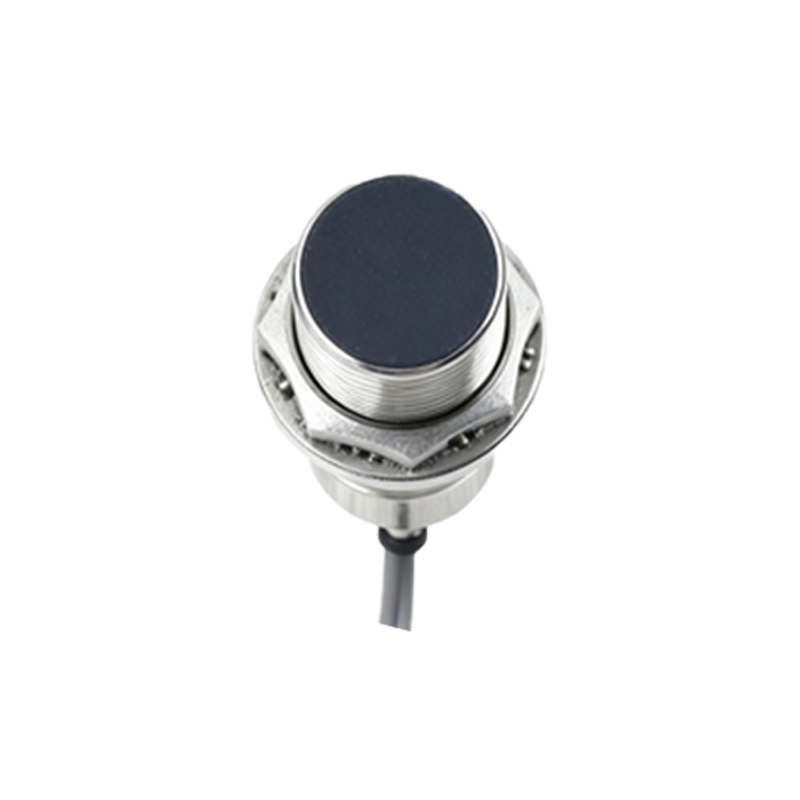
In summary, proximity sensors are indispensable tools in automation, offering non-contact detection that enhances efficiency and safety. By understanding their working principles, types, and application-specific needs, engineers can make informed decisions to integrate these sensors effectively. As technology advances, innovations like smart sensors with IoT connectivity are emerging, promising even greater precision and adaptability in the future of industrial and electronic systems.