In the rapidly evolving landscape of industrial automation, the demand for flexible, reliable, and maintenance-free sensing solutions has never been higher. Wireless proximity sensors have emerged as a transformative technology, addressing critical challenges in complex or dynamic environments where traditional wired sensors fall short. These intelligent devices detect the presence or absence of an object without physical contact, but they do so while transmitting data via robust wireless protocols, fundamentally altering system design and capabilities.
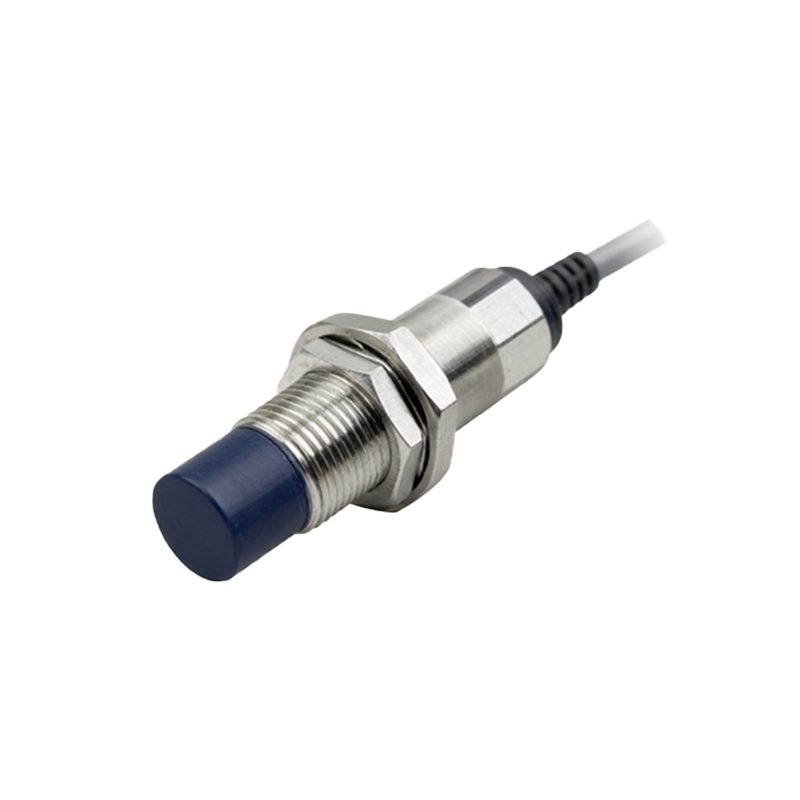
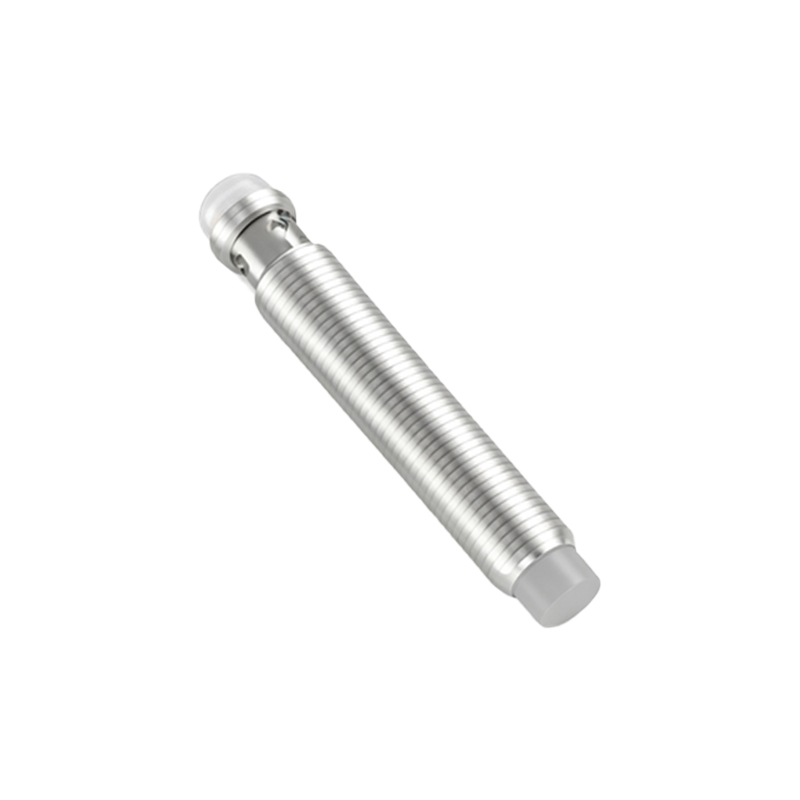
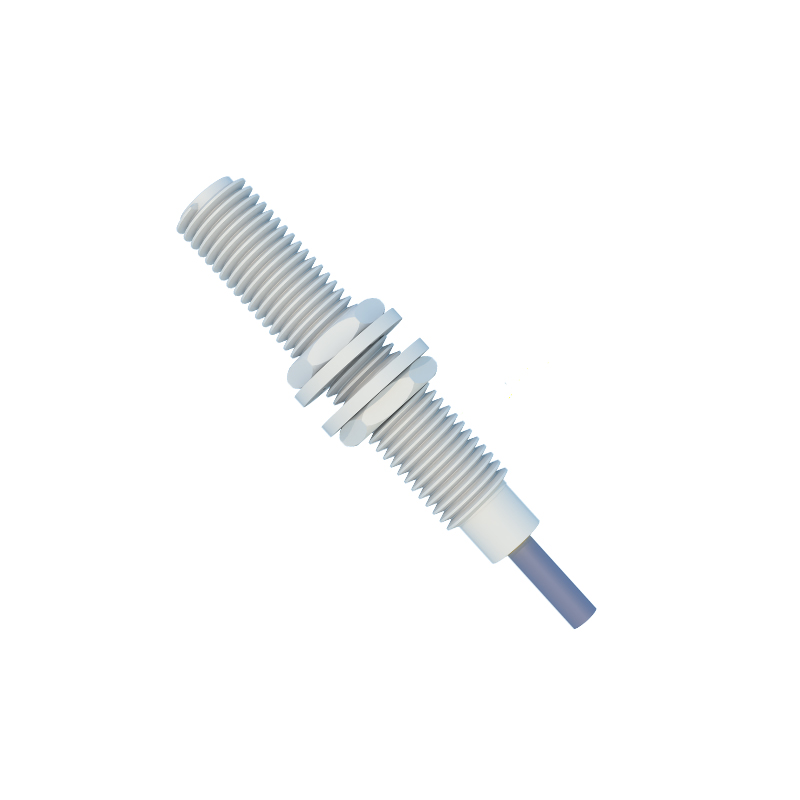
The core technology of a wireless proximity sensor integrates a standard sensing element—such as inductive, capacitive, or photoelectric—with a compact, integrated radio transceiver and power source. Inductive types remain the most common for metal detection, while capacitive sensors handle non-metallic materials, and photoelectric sensors use light beams for longer ranges. The wireless module converts the sensor's discrete on/off signal or analog measurement into a digital data packet. This packet is then transmitted using industrial-grade wireless standards like IO-Link Wireless, Bluetooth Low Energy (BLE), WirelessHART, or proprietary sub-GHz ISM band protocols. Each protocol offers distinct advantages: IO-Link Wireless provides deterministic, real-time communication for critical control; BLE is excellent for configuration and diagnostics; and WirelessHART excels in robust, mesh-networked environments.
The benefits of adopting wireless proximity sensors are substantial and multifaceted. The most immediate advantage is the drastic reduction in installation costs and time. Eliminating extensive conduit runs, cable trays, and associated wiring hardware leads to significant material and labor savings. This is particularly valuable in retrofitting existing machinery or in expansive facilities like tank farms, conveyor systems spanning large areas, or rotating equipment where slip rings and cable carriers are problematic. Design flexibility is greatly enhanced, allowing sensors to be placed in previously inaccessible or hazardous locations. Furthermore, wireless connectivity facilitates the easy reconfiguration of production lines for flexible manufacturing, supporting the shift towards Industry 4.0 and smart factory concepts.
Power management is a critical engineering challenge for these devices. Most industrial wireless proximity sensors are powered by long-life lithium batteries, designed to operate for several years under normal cycling conditions. Advanced power-saving techniques are employed, such as ultra-low-power sleep modes and adaptive reporting rates where the sensor transmits data only upon a state change or at configurable intervals. Energy harvesting methods, using vibration (piezoelectric), light (photovoltaic), or thermal differentials, are also being integrated to create truly maintenance-free, self-powered sensors for specific applications.
From an application standpoint, wireless proximity sensors are revolutionizing numerous sectors. In automotive assembly, they monitor tool positions on flexible robotic arms without restrictive cabling. In food and beverage processing, they enable hygienic monitoring on moving parts of packaging machines, avoiding cable contamination risks. In material handling, they provide reliable position feedback on automated guided vehicles (AGVs) and crane systems. Predictive maintenance is another powerful application; by monitoring vibration or temperature alongside proximity, these sensors can wirelessly transmit condition-based data to a central system, alerting personnel to potential bearing failures or misalignments before they cause downtime.
However, successful implementation requires careful consideration of several factors. Network reliability and data security are paramount. Industrial environments are fraught with potential interference from large metal structures, motors, and other radio frequency (RF) noise. Selecting sensors with robust frequency-hopping spread spectrum (FHSS) technology and strong encryption is essential. Range and network topology must be planned according to the physical layout, potentially using gateways and repeaters to ensure full coverage. Latency, though minimal with modern protocols, must be evaluated against the specific control loop requirements of the application.
Integration with higher-level systems is seamless through gateways that convert wireless sensor network data into standard industrial Ethernet protocols like PROFINET, EtherNet/IP, or Modbus TCP. This allows the wireless sensor data to be incorporated directly into the PLC or SCADA system, enabling centralized monitoring, data logging, and analytics. The diagnostic capabilities are enhanced, as many wireless sensors can report battery status, signal strength, and internal health metrics.
Looking forward, the convergence of wireless sensing with the Industrial Internet of Things (IIoT) is set to deepen. The next generation of wireless proximity sensors will feature even lower power consumption, integrated edge computing for local data processing, and enhanced cybersecurity frameworks. As 5G private networks become more prevalent in industrial settings, they will offer unprecedented bandwidth and reliability for massive deployments of wireless sensors, enabling real-time, high-fidelity data collection across entire plants.
In conclusion, wireless proximity sensors are not merely a convenient alternative to wired versions; they represent a strategic enabler for more agile, efficient, and intelligent industrial operations. By removing the physical constraints of cabling, they unlock new possibilities in machine design, system layout, and data-driven decision-making. For engineers and plant managers, adopting this technology is a forward-thinking step towards building the resilient and adaptable automated systems required for the future of manufacturing