Magnetic proximity photoelectric sensors represent a sophisticated fusion of magnetic sensing and photoelectric technology, widely employed in industrial automation for precise, non-contact detection. These sensors operate by integrating a magnetic field sensing element—typically a Hall effect sensor or a magnetoresistive component—with a photoelectric system that includes an emitter (usually an infrared LED) and a receiver (such as a phototransistor or photodiode). The core principle hinges on the interaction between a magnetic field and the sensor's internal components, which modulates the photoelectric signal to detect the presence or absence of a target object, often a magnet or ferromagnetic material.
In operation, the magnetic proximity sensor is designed to respond to changes in the magnetic field caused by an approaching magnet. When a magnet moves within the sensor's detection range, the magnetic field influences the Hall effect sensor or magnetoresistive element, altering its electrical properties. This change is then converted into a signal that controls the photoelectric circuit. For instance, the magnetic trigger may activate the infrared emitter, sending a light beam toward the receiver. If the target object interrupts or reflects this beam, the receiver detects the variation in light intensity, generating an output signal—such as a switch closure or voltage change—that indicates the object's proximity. This dual mechanism ensures high reliability, as it combines the robustness of magnetic sensing against environmental factors like dust, moisture, or vibration with the accuracy of photoelectric detection for precise positioning.
The advantages of magnetic proximity photoelectric sensors are manifold. They offer excellent resistance to harsh industrial conditions, including temperature fluctuations, electromagnetic interference, and mechanical stress, making them ideal for applications in manufacturing, robotics, and automotive systems. Unlike purely inductive or capacitive sensors, they can detect both magnetic and non-magnetic objects indirectly through magnetic triggers, expanding their versatility. Common use cases include position sensing in conveyor belts, limit switching in machinery, and safety interlocks in automated equipment. For example, in a packaging line, these sensors can monitor the presence of metallic containers by using attached magnets, ensuring seamless operation without physical contact that could cause wear or damage.
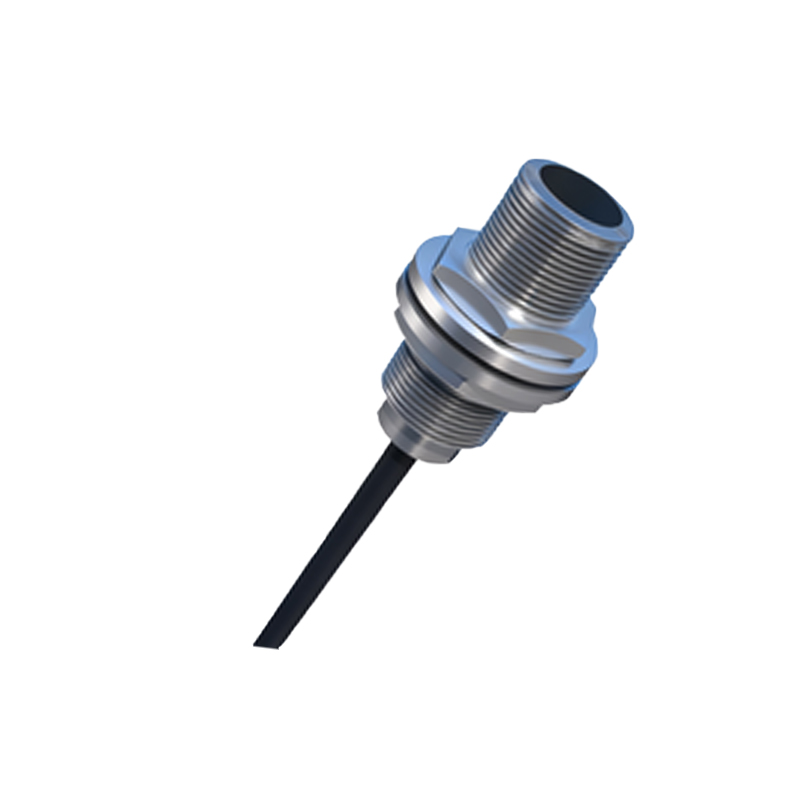
Key design considerations involve selecting appropriate sensing ranges, which typically span from a few millimeters to several centimeters, depending on the magnet strength and sensor sensitivity. Engineers must also account for factors like response time, which is often in the microsecond range for high-speed applications, and output configurations (e.g., NPN or PNP transistors) to match control systems. Maintenance is minimal due to the non-contact nature, but regular calibration may be needed to account for magnet degradation or environmental changes. Innovations in this field are driving toward miniaturization, enhanced sensitivity via advanced materials like giant magnetoresistance (GMR) elements, and integration with IoT for smart monitoring.
In summary, magnetic proximity photoelectric sensors leverage magnetic fields to enhance photoelectric detection, providing a reliable solution for industrial automation. Their ability to operate in demanding environments with high precision makes them a cornerstone in modern engineering, supporting efficiency and safety across diverse sectors. As technology evolves, these sensors are poised to become even more integral to automated systems, offering improved performance and connectivity for the Industry 4.0 era.