In the realm of industrial automation and control systems, proximity sensors stand as fundamental components, silently enabling precision, safety, and efficiency. A proximity sensor is a non-contact electronic device designed to detect the presence or absence of an object within its sensing range without any physical contact. This core functionality, seemingly simple, carries profound implications for modern manufacturing, robotics, and countless automated processes.
The primary role of a proximity sensor is detection. It acts as the "eyes" of a machine, providing crucial binary information: object present or object absent. This information forms the basic input for control logic. For instance, on a conveyor belt, a proximity sensor can detect when a product reaches a specific point, triggering the next action in the sequence, such as sorting, labeling, or robotic pick-and-place. This eliminates the need for mechanical limit switches that require physical contact, thereby reducing wear and tear and increasing system longevity.
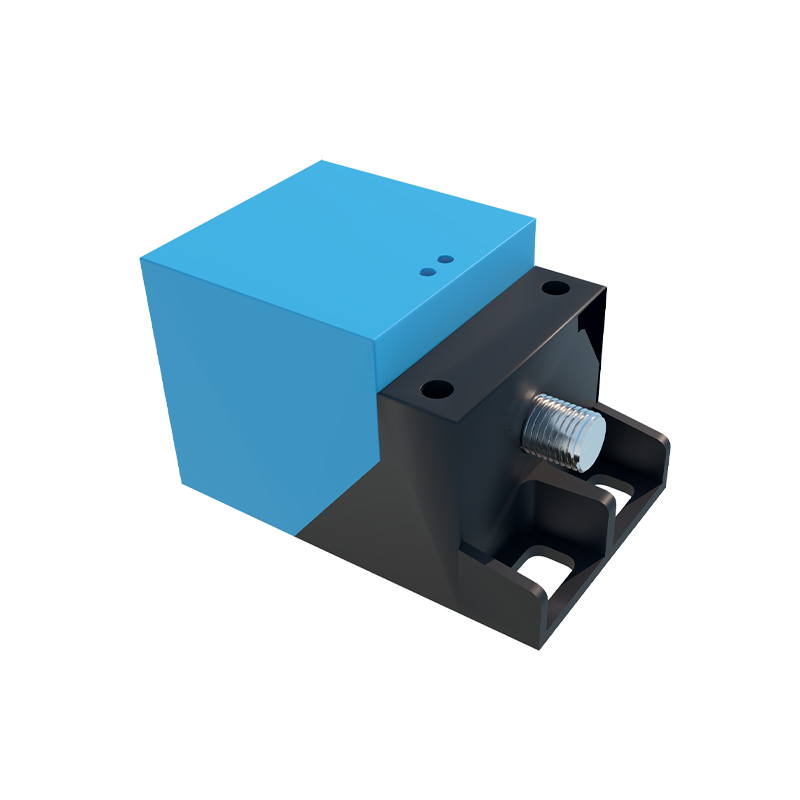
Beyond mere presence detection, the significance of proximity sensors is deeply rooted in their operational characteristics. Their non-contact nature is paramount. Since there is no physical touch, there is no friction, no mechanical stress on either the sensor or the target object. This makes them ideal for detecting fragile items, high-speed objects, or applications in harsh environments where contamination or damage is a concern. Furthermore, they offer exceptionally high switching frequencies and repeat accuracy, enabling reliable performance in fast-paced production lines where milliseconds matter.
Various technologies underpin proximity sensors, each suited to specific applications. Inductive proximity sensors are the workhorses for detecting metallic objects. They generate an electromagnetic field, and when a metal target enters this field, it induces eddy currents, causing a change in the sensor's oscillation amplitude, which is then processed to trigger an output signal. They are robust, resistant to dirt and dust, and perfect for machine tools or automotive assembly. Capacitive proximity sensors, on the other hand, can detect both metallic and non-metallic materials like plastics, wood, liquids, and granules. They sense changes in capacitance caused by the presence of any material that alters the dielectric constant of the space between the sensor's electrode and ground. This makes them invaluable in packaging, food processing, and level detection tasks.
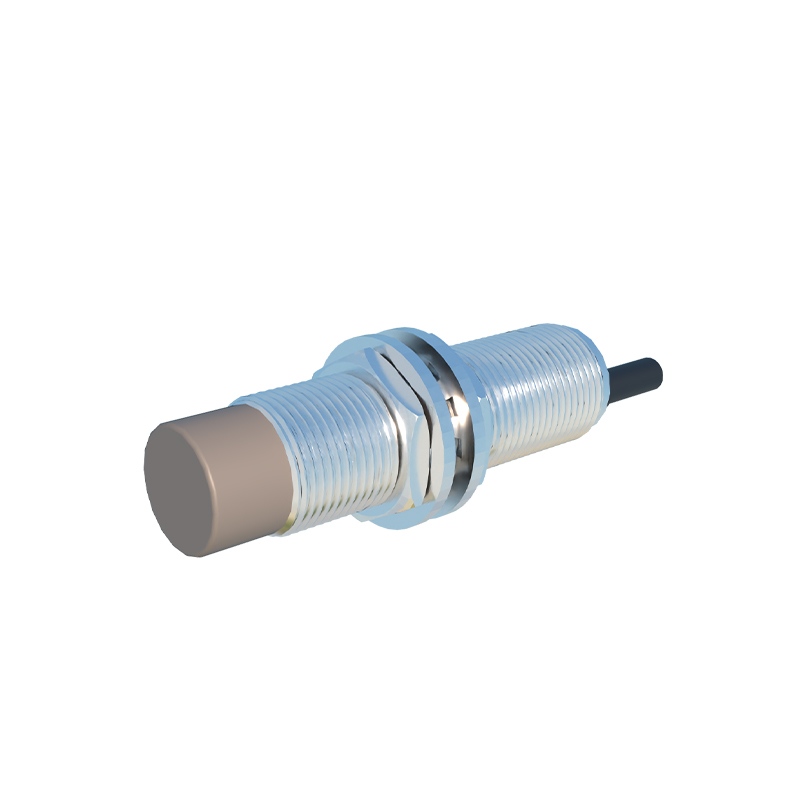
Another key technology is the ultrasonic proximity sensor, which uses sound waves to measure distance to an object, and the photoelectric sensor, which uses a light beam. While often categorized separately, photoelectric sensors share the non-contact detection principle and are critical for long-range detection or through-beam applications.
The true significance of these devices extends into several critical industrial domains. First is enhanced safety. Proximity sensors are integral to safety interlocks on machine guards, ensuring dangerous machinery only operates when access doors are securely closed, protecting personnel. Second is quality control. They can verify the presence of components in an assembly, count items, or check orientation, preventing defective products from moving down the line. Third is efficiency and waste reduction. By providing precise control over machine cycles and material handling, they minimize errors, reduce downtime, and optimize material usage.
In advanced robotics, proximity sensors provide environmental awareness, allowing robots to navigate spaces or handle objects with spatial awareness. In the context of Industry 4.0 and the Industrial Internet of Things (IIoT), modern proximity sensors with IO-Link or other smart communication protocols offer more than just a switch signal. They provide diagnostic data, such as operating temperature, signal strength, or even predictive maintenance alerts, transforming them from simple switches into intelligent data points within a networked system.
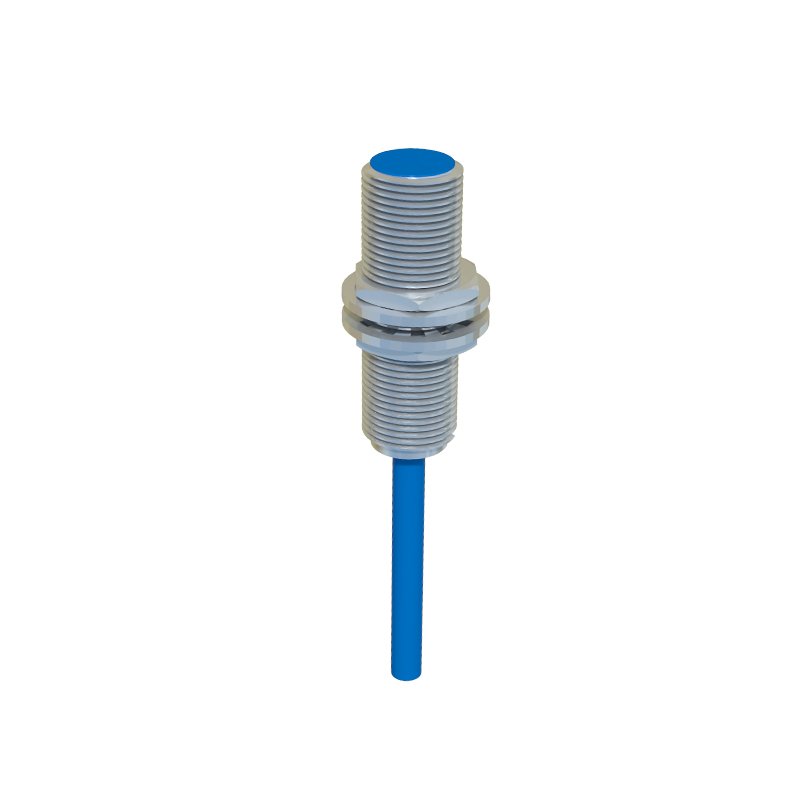
In conclusion, the role of the proximity sensor is that of a fundamental enabler—a reliable, non-contact detector that provides the essential data for automated decision-making. Its significance lies in its contribution to system reliability, operational safety, production quality, and overall cost-effectiveness. From a simple bottle cap on a filling line to the precise positioning of a robotic arm in a smart factory, proximity sensors are indispensable components that bridge the physical world of objects with the digital world of control, driving the continuous advancement of industrial automation. Their evolution towards smarter, more integrated devices ensures they will remain at the forefront of technological progress for years to come.