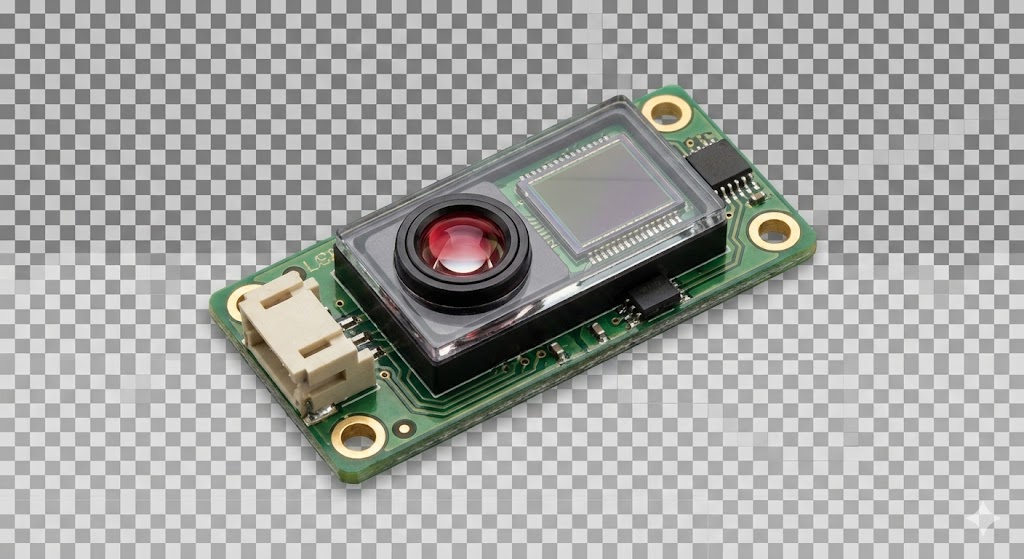
Laser scintillation anemometry (LSA) represents a significant leap forward in the field of wind speed and turbulence measurement, offering unparalleled accuracy and reliability in diverse environmental conditions. Unlike traditional mechanical or ultrasonic anemometers, LSA operates on the principle of optical scintillation—measuring the fluctuations in laser light intensity caused by atmospheric refractive index variations due to temperature and humidity gradients along the propagation path. This non-intrusive, remote sensing technology eliminates moving parts, reducing maintenance needs and enhancing durability in harsh climates, from arid deserts to polar regions.
The core mechanism involves emitting a coherent laser beam across a designated path, typically ranging from 50 to 500 meters, depending on application requirements. As wind interacts with the atmosphere, it modulates the refractive index structure, creating scintillation patterns detected by a receiver unit. Advanced signal processing algorithms, such as cross-correlation and spectral analysis, then derive wind speed and direction with high temporal resolution, often achieving updates in milliseconds. This makes LSA particularly valuable for applications requiring real-time data, including wind energy assessment, aviation safety, meteorological research, and industrial emission monitoring.
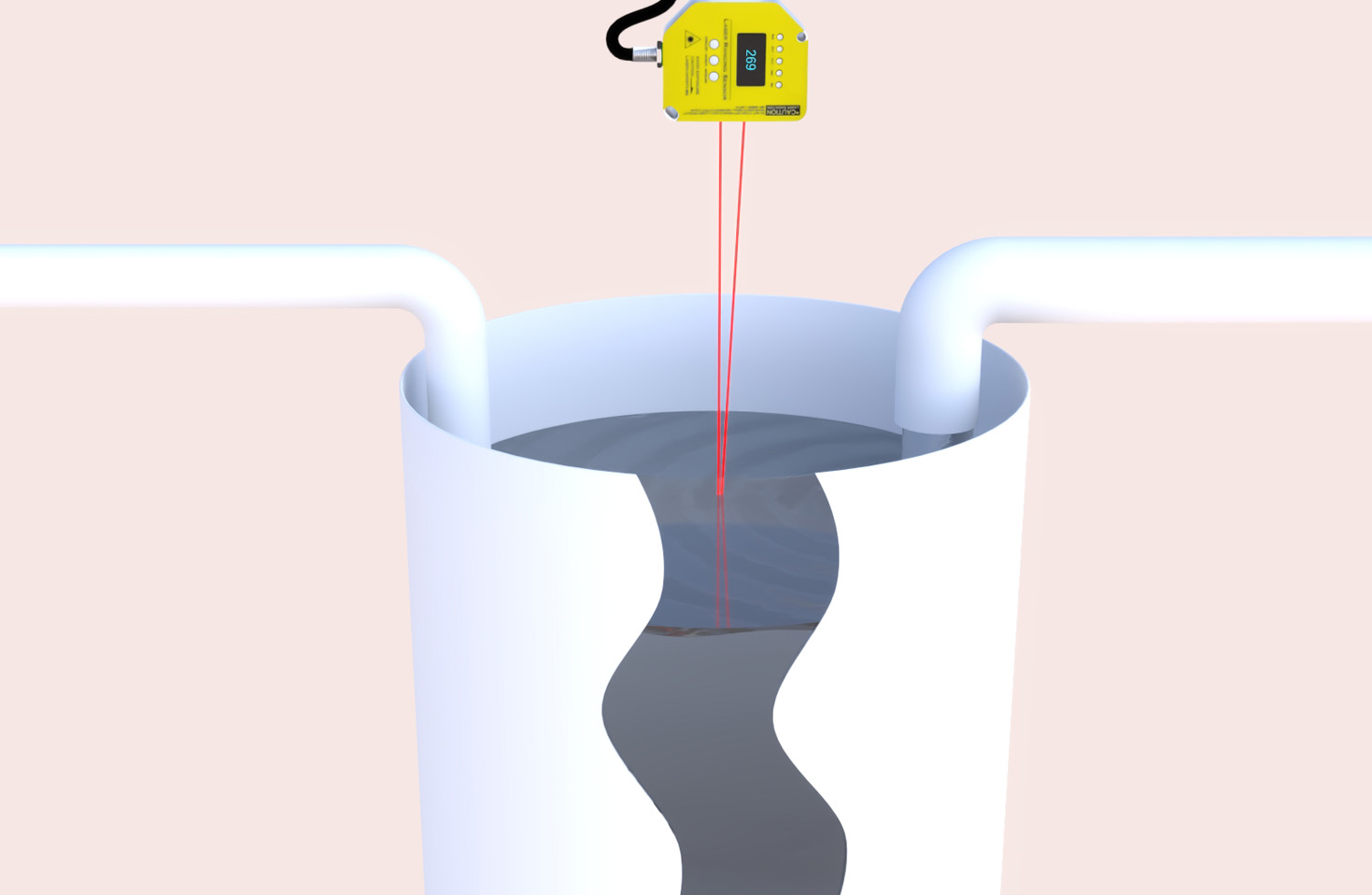
Recent innovations in LSA technology focus on improving signal-to-noise ratios and minimizing environmental interference. For instance, dual-wavelength systems mitigate the effects of aerosol scattering, while adaptive optics correct for beam wander caused by strong turbulence. Additionally, the integration of machine learning algorithms enables predictive analytics, enhancing measurement accuracy in complex terrains like urban canyons or forested areas. Field studies have demonstrated that LSA can achieve wind speed accuracies within ±0.1 m/s under optimal conditions, outperforming conventional cup anemometers in dynamic wind environments.

The adoption of LSA is growing in renewable energy sectors, where precise wind resource assessment is critical for optimizing turbine placement and maximizing power output. In meteorological networks, LSA provides complementary data to radar and satellite systems, improving weather forecasting models. Moreover, its non-contact nature makes it ideal for hazardous environments, such as monitoring wind shear near airports or gas dispersion in chemical plants. Despite higher initial costs compared to traditional sensors, the long-term benefits—including reduced downtime, lower operational expenses, and minimal calibration requirements—justify the investment for many industries.
Looking ahead, ongoing research aims to miniaturize LSA components and enhance portability for mobile deployments. Collaborations between academia and industry are driving standardization efforts, ensuring data consistency across global networks. As climate change intensifies the need for accurate atmospheric monitoring, laser scintillation anemometry stands poised to become a cornerstone technology in advancing our understanding of wind dynamics and supporting sustainable development goals.