In the realm of industrial automation, precision, reliability, and environmental resilience are non-negotiable. Among the myriad of sensing solutions available, the FS-31 fiber optic sensor proximity switch stands out as a sophisticated and versatile component. This article provides a comprehensive technical analysis of the FS-31, exploring its operational principles, key features, application scenarios, and advantages over traditional sensing methods.
At its core, the FS-31 is a type of photoelectric sensor that utilizes fiber optic cables to transmit light from a source to a sensing head and back to a receiver. Unlike conventional proximity switches that rely on electromagnetic fields or mechanical contact, the FS-31 operates on the principle of modulated light beam interruption or reflection. The basic system comprises an amplifier unit and one or more fiber optic cables with sensing probes. The amplifier contains the light-emitting diode (LED) or laser diode and the phototransistor receiver. Light travels through the transmitting fiber to the probe's tip. When a target object enters the sensing field, it either reflects the light back (in a diffuse reflective mode) or interrupts the light beam (in a through-beam mode). The reflected or received light signal is then channeled back through the receiving fiber to the amplifier, where it is processed to trigger a switching output.
The design of the FS-31 confers several distinctive features. First is its exceptional sensitivity and precision. The small diameter of the fiber optic probes allows for the detection of minute objects or precise edges, often with sub-millimeter accuracy. This makes it ideal for applications like detecting tiny electronic components, fine wires, or verifying the presence of small parts on high-speed assembly lines. Second is its complete immunity to electromagnetic interference (EMI) and radio frequency interference (RFI). Since the sensing signal is optical, the FS-31 performs flawlessly in environments saturated with electrical noise, such as near welding equipment, large motors, or frequency inverters, where inductive or capacitive proximity sensors would fail.
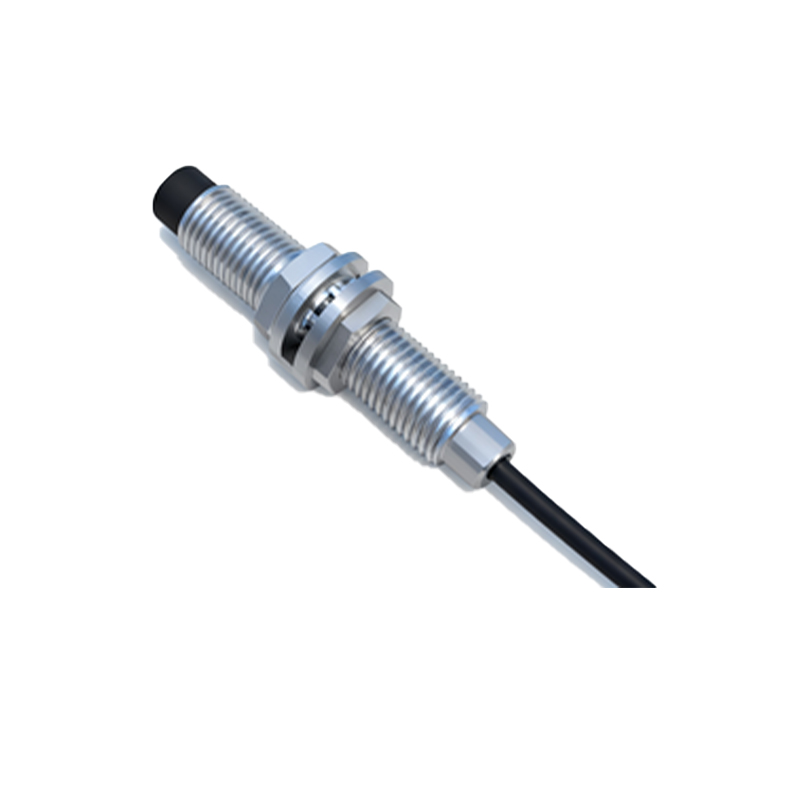
Third, and critically, is its ability to operate in extreme environmental conditions. The sensing probes, typically made from robust materials like stainless steel or specialized polymers, can withstand high temperatures, intense pressure, corrosive chemicals, and high-vacuum environments. The amplifier unit can be remotely located in a protected control cabinet, away from the harsh point of detection. This separation is a key advantage, enabling sensing in spaces that are inaccessible, hazardous, or detrimental to electronic components. Applications include monitoring inside ovens, chemical vats, clean rooms, or in sterile packaging machinery.
Furthermore, the FS-31 offers remarkable flexibility. Fiber optic cables can be bent and routed around obstacles, allowing the sensing point to be positioned exactly where needed without moving the entire sensor assembly. Various probe tip configurations (e.g., straight, right-angle, focused, or diffuse) are available to tailor the sensing field shape, spot size, and sensing distance to the specific task. The amplifier typically provides adjustable sensitivity via potentiometers or teach-in buttons, allowing fine-tuning for different target colors, materials, or background conditions. Output options usually include both NPN and PNP transistor configurations, as well as analog variants, ensuring compatibility with a wide range of PLCs and control systems.
Common industrial applications for the FS-31 are extensive. In electronics manufacturing, it verifies the placement of microchips on PCBs. In pharmaceutical packaging, it detects transparent pills in blister packs. In the automotive industry, it ensures robotic welders are correctly positioned. In food and beverage, it counts bottles on high-speed fillers or checks fill levels in opaque containers. Its versatility also extends to quality control processes, such as detecting broken tools, monitoring thread presence in textiles, or identifying misaligned labels.
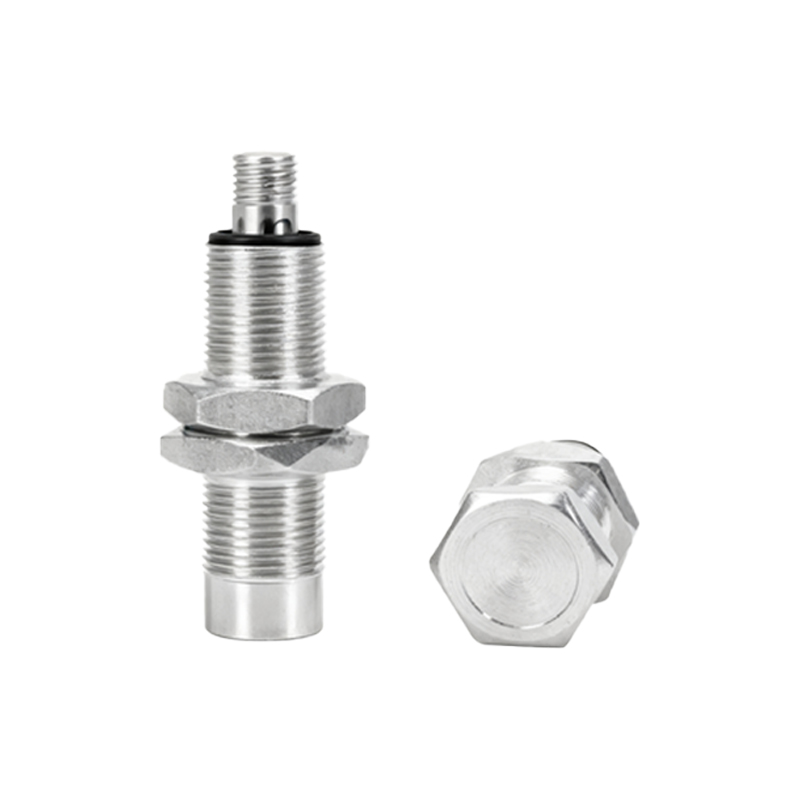
When compared to traditional inductive or capacitive proximity sensors, the FS-31's benefits are clear. It poses no risk of magnetic fields affecting the target, can detect non-metallic objects (plastics, glass, liquids), and offers superior precision. Compared to standard photoelectric sensors, its remote sensing capability and environmental toughness are unparalleled. However, proper selection and installation are paramount. Factors such as target size, color, reflectivity, ambient light conditions, required sensing distance, and the specific environmental challenges must be carefully evaluated to select the correct probe type and amplifier settings.
In conclusion, the FS-31 fiber optic sensor proximity switch is an indispensable tool for modern industrial automation engineers seeking to solve complex sensing challenges. Its unique combination of precision, noise immunity, environmental durability, and configuration flexibility makes it a superior choice for demanding applications where other sensors fall short. By leveraging its advanced optical technology, engineers can enhance system reliability, increase production quality, and enable automation in previously untenable conditions, driving efficiency and innovation on the factory floor.
SEO