Proximity sensors are essential components in modern industrial automation, robotics, and safety systems, detecting the presence or absence of objects without physical contact. Their pricing varies widely based on technology, specifications, and application requirements. This article explores the primary factors influencing proximity sensor costs and provides insights into market trends to help professionals make informed purchasing decisions.
The cost of a proximity sensor is primarily determined by its sensing technology. Inductive sensors, commonly used for metal detection, are generally affordable, with prices ranging from $20 to $100 depending on range and durability. Capacitive sensors, suitable for non-metallic materials like liquids or plastics, tend to be slightly more expensive due to their complex circuitry, often costing between $30 and $150. Ultrasonic and photoelectric sensors, offering longer detection ranges and versatility, can range from $50 to $300 or higher, especially in high-precision versions. Magnetic proximity sensors, typically used in harsh environments, fall in the mid-range, averaging $40 to $120.
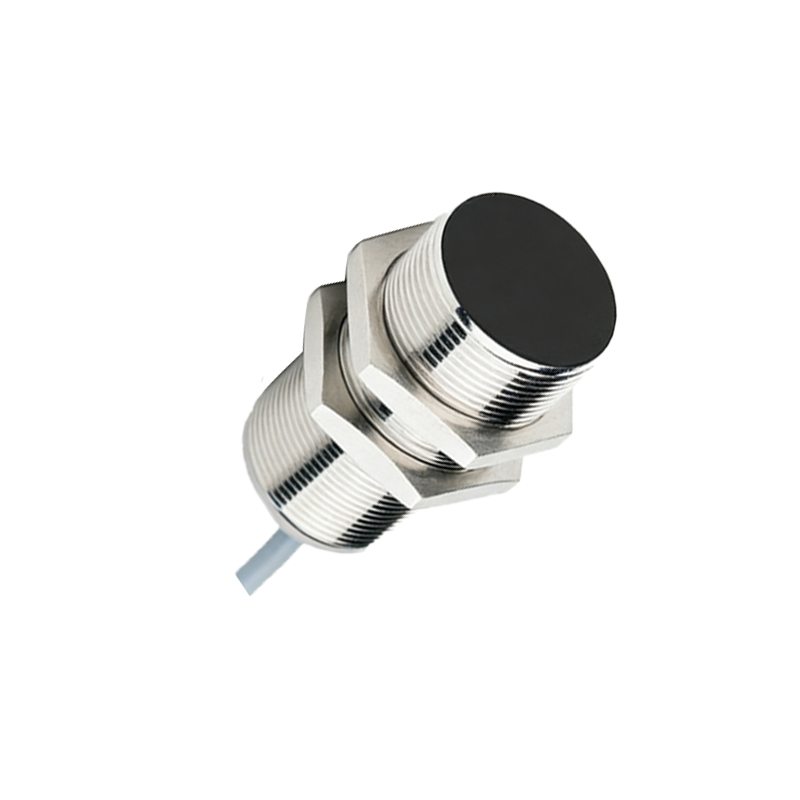
Beyond technology, several specifications impact pricing. Detection range is a critical factor—sensors with longer ranges (e.g., over 10 meters) command premium prices due to advanced components like high-power emitters or sensitive receivers. Environmental ratings, such as IP67 or IP69K for water and dust resistance, add to costs, as do certifications for hazardous areas (e.g., ATEX or IECEx). Output types (e.g., analog, digital, or IO-Link) also influence price; smart sensors with communication protocols like IO-Link or Ethernet/IP can cost 20-50% more than basic models due to integrated diagnostics and connectivity features. Material construction, such as stainless steel housings for corrosive environments, further elevates expenses.
Market dynamics play a significant role in pricing. High-volume purchases from manufacturers like Omron, Schneider Electric, or Sick often reduce unit costs through economies of scale, while niche or custom sensors from specialized brands may carry higher price tags. Regional factors, including import tariffs and supply chain fluctuations, can cause variations—for instance, sensors produced in Europe or North America might be priced higher than those from Asian markets, though quality and compliance standards differ. The growing demand for Industry 4.0 and IoT integration has driven up prices for advanced sensors with embedded intelligence, but competition among suppliers keeps the market competitive.
To optimize costs, engineers should assess application needs carefully. For simple metal detection in a factory setting, a standard inductive sensor may suffice, avoiding unnecessary expenditure on high-end models. In contrast, complex tasks like level sensing in food processing might justify investing in capacitive or ultrasonic sensors with hygiene certifications. Consider total cost of ownership, including maintenance and compatibility with existing systems—a slightly pricier sensor with longer lifespan or self-monitoring features can reduce downtime and operational expenses.
In summary, proximity sensor pricing is multifaceted, influenced by technological complexity, performance specs, and market conditions. By understanding these factors, professionals can balance budget constraints with reliability and efficiency, ensuring optimal system performance. As automation evolves, expect prices for smart sensors to gradually decrease while basic models remain stable, making advanced sensing more accessible across industries.