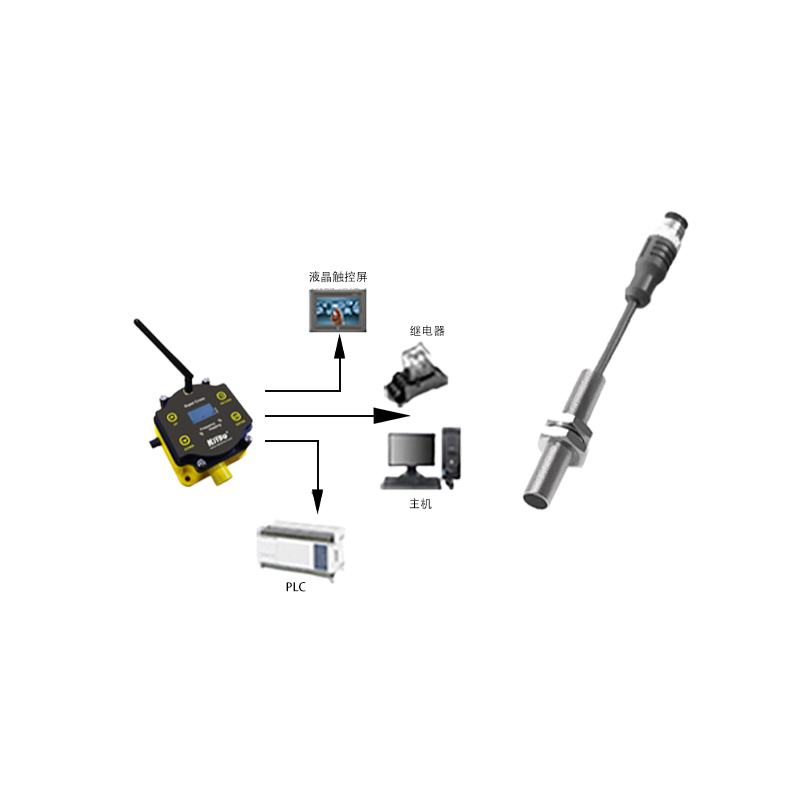
In modern industrial automation and process control systems, proximity sensors are indispensable components for detecting the presence or absence of metallic objects without physical contact. Among various target materials, stainless steel presents unique characteristics that significantly influence sensor selection, performance, and reliability. This article delves into the technical considerations for using proximity sensors with stainless steel targets, addressing key factors such as material composition, sensor technology types, installation practices, and application-specific challenges.
Stainless steel is not a single material but a family of iron-based alloys containing a minimum of 10.5% chromium, which forms a passive oxide layer providing corrosion resistance. Common grades like 304, 316, and 430 exhibit different magnetic and electrical properties due to variations in chromium, nickel, and molybdenum content. Austenitic grades (e.g., 304, 316) are generally non-magnetic or weakly magnetic, while ferritic and martensitic grades (e.g., 430) are ferromagnetic. This distinction is critical for inductive proximity sensors, which rely on generating an electromagnetic field to detect conductive metals. For non-magnetic stainless steels, the sensing distance is typically reduced compared to carbon steel or ferromagnetic stainless steels. As a rule of thumb, the reduction factor can range from 0.5 to 0.9 of the rated sensing distance, depending on the specific alloy and sensor design.
The choice of proximity sensor technology is paramount. Inductive sensors are most common for metallic targets. When detecting non-magnetic stainless steel, high-frequency oscillation type inductive sensors are often preferred due to their sensitivity to eddy current losses in conductive materials. Capacitive proximity sensors can also detect stainless steel regardless of magnetic properties, as they respond to changes in dielectric constant, making them suitable for applications involving thin sheets or containers. However, they may also detect non-target materials like liquids or plastics, requiring careful shielding and calibration.
Several performance parameters must be evaluated. The effective sensing distance (Sn) should be derated based on the target material's conductivity and permeability. For instance, a sensor rated for 10mm on mild steel might only achieve 6-8mm on 304 stainless steel. Temperature stability is another concern, as the electrical properties of stainless steel can shift with temperature, affecting sensor consistency in environments like food processing or chemical plants. Additionally, surface finish matters; a polished stainless steel surface may reflect sensor signals differently than a brushed or rough surface, potentially causing detection inconsistencies.
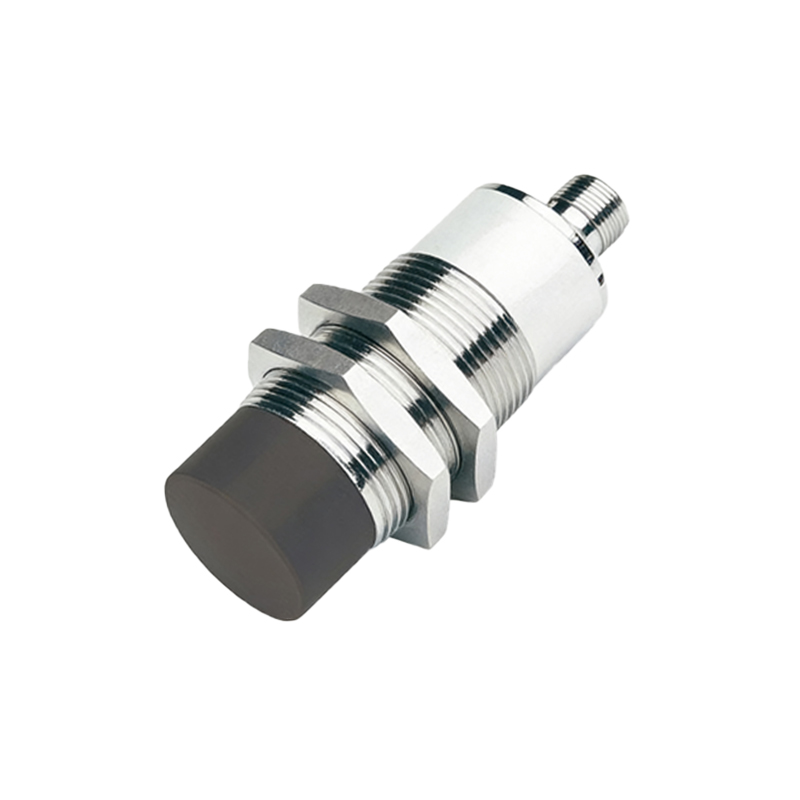
Installation and environmental factors play a crucial role. Stainless steel targets should be positioned within the sensor's specified axis and orientation to ensure reliable operation. In applications involving moving stainless steel parts, such as conveyor systems or robotic arms, vibration and mechanical tolerances must be accounted for to prevent false triggers. For harsh environments where stainless steel is often used—such as washdown areas in pharmaceuticals or marine settings—sensors with IP67, IP69K, or NEMA ratings are essential to resist moisture, chemicals, and physical damage. Electromagnetic interference (EMI) from nearby motors or welding equipment can also affect sensor performance, necessitating shielded cables or filters.
Real-world applications highlight these considerations. In food and beverage processing, stainless steel machinery is ubiquitous. Inductive sensors monitor fill levels in stainless steel tanks or detect utensils on production lines. Here, sensors with hygienic designs (smooth surfaces, crevice-free) and resistance to caustic cleaners are vital. In automotive manufacturing, stainless steel fasteners and components are detected on assembly lines, requiring high-speed sensors with minimal reset times. For precision tasks like CNC machining, sensors ensure tool presence or part positioning, where repeatability within microns is critical, demanding sensors with high switching frequency and minimal hysteresis.
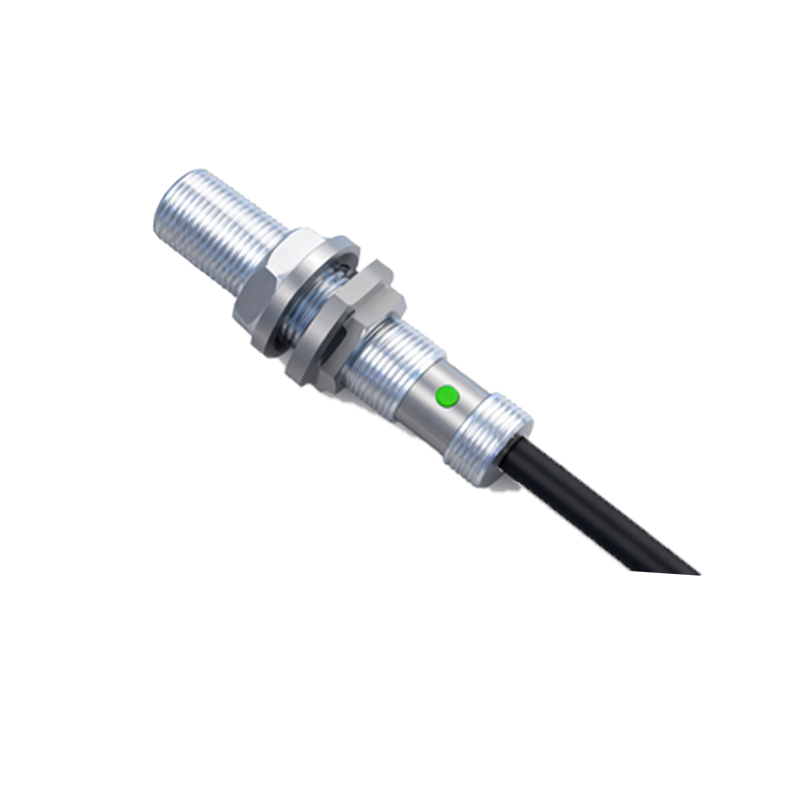
To optimize performance, follow these best practices: First, consult sensor datasheets for material-specific correction factors. Many manufacturers provide reduction factor tables for various stainless steel grades. Second, conduct on-site testing with the actual target material under real operating conditions, including temperature extremes and cycle rates. Third, consider using factor-1 sensors specifically designed for all metals, including non-ferrous types, though they may come at a higher cost. Fourth, ensure proper grounding and cable routing to mitigate electrical noise. Finally, implement regular maintenance schedules to clean sensor faces and check for mechanical wear, especially in abrasive environments.
In conclusion, stainless steel is fully compatible with proximity sensors, but successful implementation requires a nuanced understanding of material properties and sensor technologies. By selecting the appropriate sensor type, applying correction factors, and adhering to robust installation practices, engineers can achieve reliable detection in diverse industrial settings. As automation advances, sensor innovations continue to improve compatibility, offering enhanced sensitivity and durability for challenging applications involving stainless steel and other alloys.