In the realm of industrial automation and electrical engineering, phase proximity sensors are indispensable components for detecting the presence, absence, or position of objects without physical contact. These sensors operate based on electromagnetic principles, responding to changes in an electromagnetic field when a target enters their sensing range. This article delves into the various types of phase proximity sensors, their working mechanisms, key applications, and factors to consider for optimal selection.
Phase proximity sensors are primarily categorized based on their sensing technology and output characteristics. The most common types include inductive, capacitive, and ultrasonic sensors. Inductive proximity sensors are widely used for detecting metallic objects. They generate an oscillating electromagnetic field from a coil and ferrite core. When a conductive metal target enters this field, eddy currents are induced, causing a change in the oscillation amplitude. This change is detected by the sensor's circuitry, triggering an output signal. Inductive sensors are robust, reliable, and ideal for harsh environments with dust, oil, or moisture, making them staples in manufacturing lines for part detection, position verification, and machine safety.
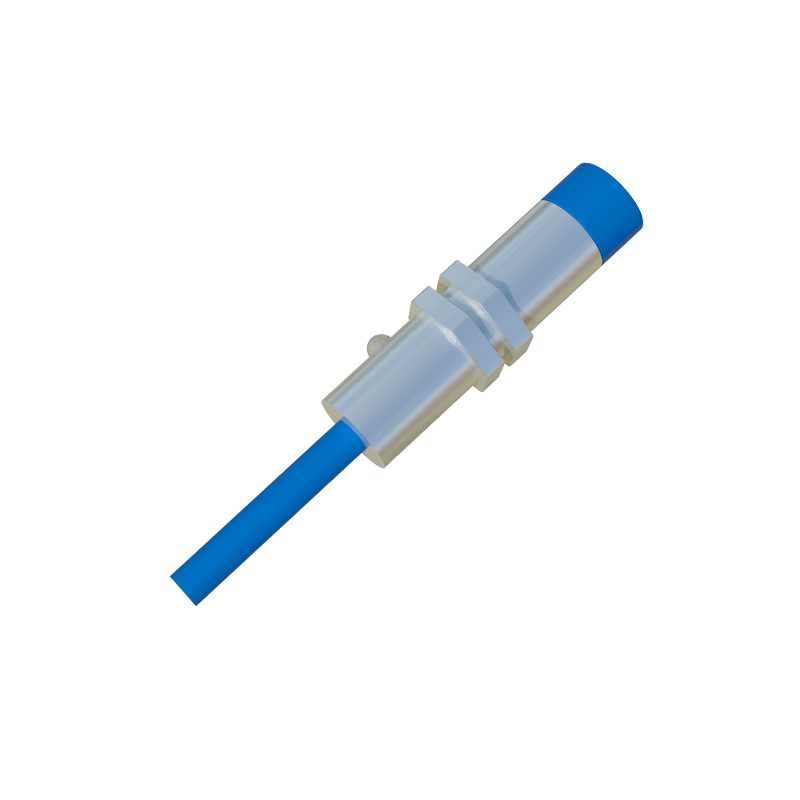
Capacitive proximity sensors, on the other hand, can detect both metallic and non-metallic materials such as plastics, glass, liquids, and granular substances. They function by generating an electrostatic field between two electrodes. When an object with a different dielectric constant enters this field, it alters the capacitance, which the sensor detects to produce an output. These sensors are versatile and commonly employed in level detection for tanks, material handling systems, and packaging industries where diverse materials are present.
Ultrasonic phase proximity sensors utilize sound waves beyond human hearing to measure distance or detect objects. They emit high-frequency ultrasonic pulses and measure the time taken for the echo to return after hitting a target. This time-of-flight principle allows for precise detection regardless of the target's material, color, or transparency. Ultrasonic sensors excel in applications requiring long-range detection or challenging conditions like fog or dust, such as in automotive assembly, robotics, and bulk material monitoring.
Beyond these primary types, specialized variants exist, including magnetic proximity sensors that detect permanent magnets, often used in cylinder position sensing, and photoelectric sensors that use light beams for detection, though they are less common in pure phase-based applications. Each type offers distinct advantages: inductive sensors provide high precision for metals, capacitive sensors offer material flexibility, and ultrasonic sensors deliver reliable performance in complex environments.
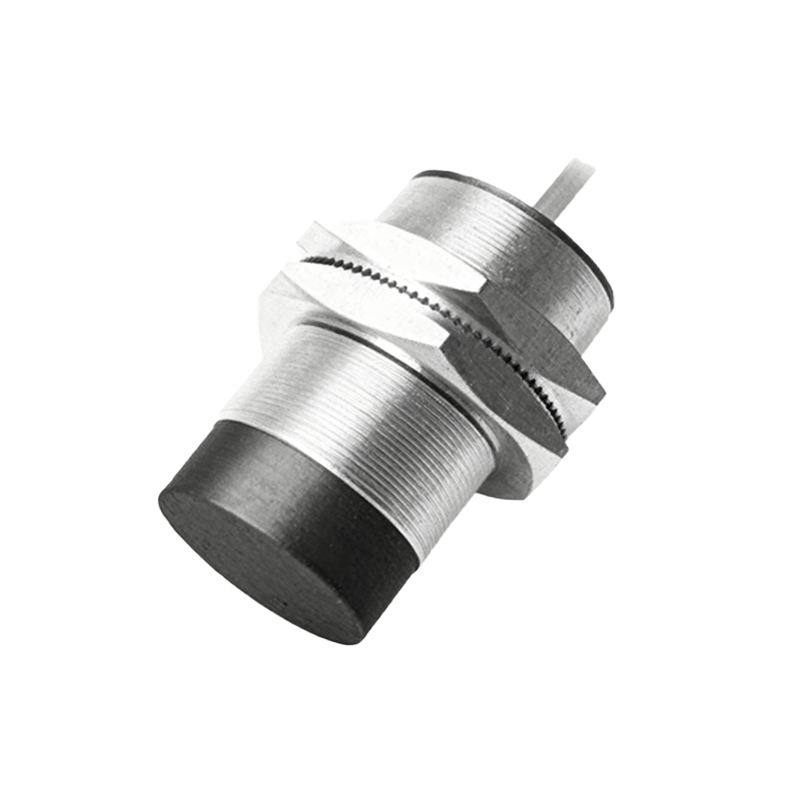
The applications of phase proximity sensors span numerous industries. In automotive manufacturing, they ensure precise component alignment and robotic arm positioning. In food and beverage processing, capacitive sensors monitor liquid levels in containers, while inductive sensors detect metal contaminants for quality control. The packaging sector relies on these sensors for counting, sorting, and ensuring proper sealing. Additionally, in energy and utilities, they facilitate equipment monitoring and safety interlocks.
Selecting the right phase proximity sensor requires careful consideration of several factors. First, identify the target material—inductive sensors for metals, capacitive for non-metals, and ultrasonic for varied materials. Next, assess the sensing range, which varies from a few millimeters in inductive sensors to several meters in ultrasonic ones. Environmental conditions like temperature extremes, humidity, and exposure to chemicals also influence choice; for instance, inductive sensors with IP67 ratings suit wet areas. Output type (e.g., digital PNP/NPN or analog) should match the control system, and response time is critical for high-speed operations. Finally, consider mounting options and electrical requirements to ensure seamless integration.
In summary, phase proximity sensors are vital tools in modern automation, offering non-contact detection across diverse settings. By understanding their types—inductive, capacitive, and ultrasonic—along with their applications and selection criteria, engineers can enhance system efficiency, safety, and reliability. As technology advances, these sensors continue to evolve, incorporating features like IO-Link connectivity for smart factory integration, paving the way for more intelligent industrial ecosystems.