In the dynamic landscape of industrial automation, proximity sensors have long been the silent sentinels, detecting the presence or absence of objects without physical contact. Their evolution from simple, blind switches to sophisticated, intelligent devices marks a significant leap forward. Among the most impactful advancements is the integration of a visual display directly onto the sensor housing. This fusion of sensing and visualization transforms a fundamental component into a powerful diagnostic and configuration tool, streamlining operations and boosting system intelligence.
Traditionally, configuring and troubleshooting a proximity sensor involved external tools: multimeters, oscilloscopes, or dedicated programming devices. A technician would need to interpret electrical signals or LED blink codes, a process prone to error and time-consuming. The advent of sensors with integrated displays, typically high-contrast LCD or OLED screens, changes this paradigm entirely. At a glance, operators can now read real-time operational data. This includes the measured distance to the target in millimeters or inches, the current output status (e.g., ON/OFF, analog value), and the sensor's switching state. This immediate visual feedback is invaluable during machine setup, alignment, and fine-tuning, allowing for precise positioning without guesswork.
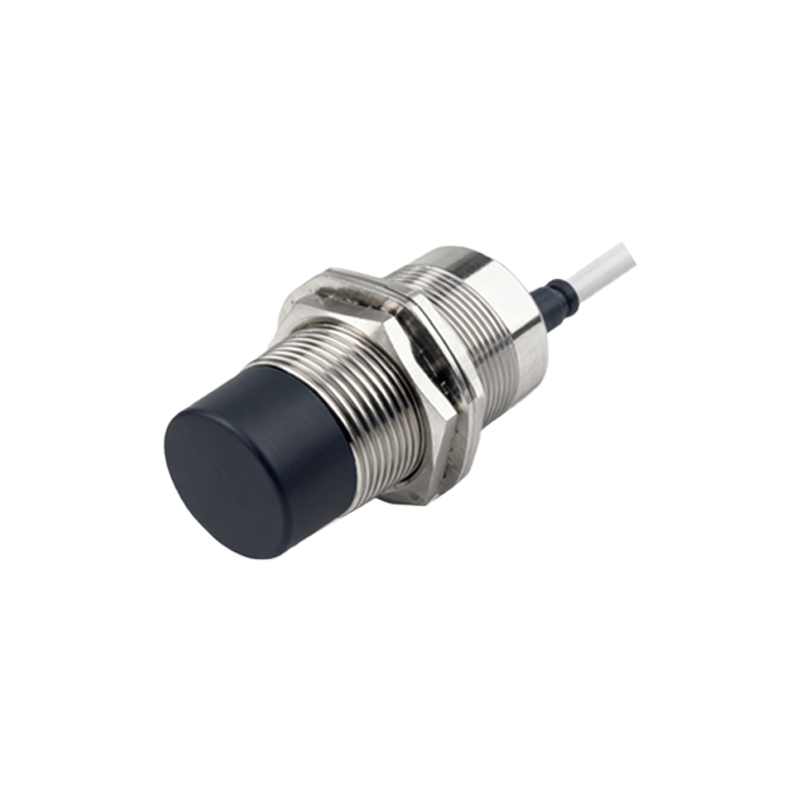
Beyond basic status, these displays unlock advanced diagnostic capabilities. They can present error codes, health status indicators (like temperature warnings or signal strength), and even short diagnostic messages. For instance, a sensor might display "SHORT CIRCUIT" or "SUPPLY VOLTAGE LOW," enabling maintenance personnel to identify and rectify issues rapidly, minimizing costly downtime. This self-diagnostic feature shifts maintenance from a reactive to a predictive model.
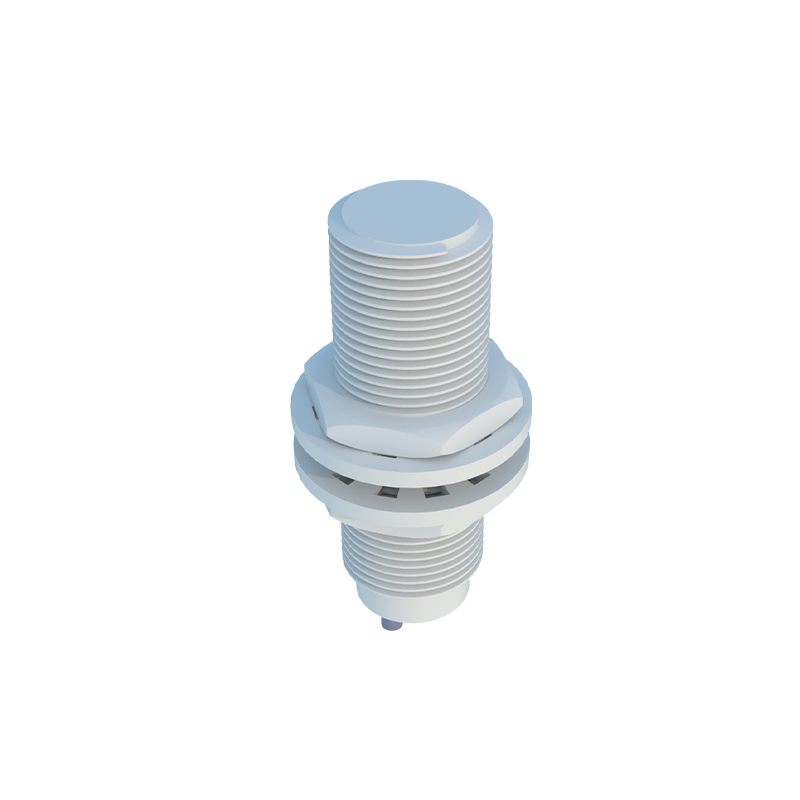
Configuration becomes remarkably intuitive. Through a combination of tactile buttons or touch-sensitive areas on the unit, users can navigate menus directly on the display to adjust critical parameters. Settings such as switching hysteresis, response time, teach-in points for analog sensors, and output logic (NPN/PNP, NO/NC) can be modified on the spot. This eliminates the need for separate configuration modules or software for routine adjustments, simplifying inventory and reducing training requirements. The display often provides clear labels and prompts, guiding the user through the setup process.
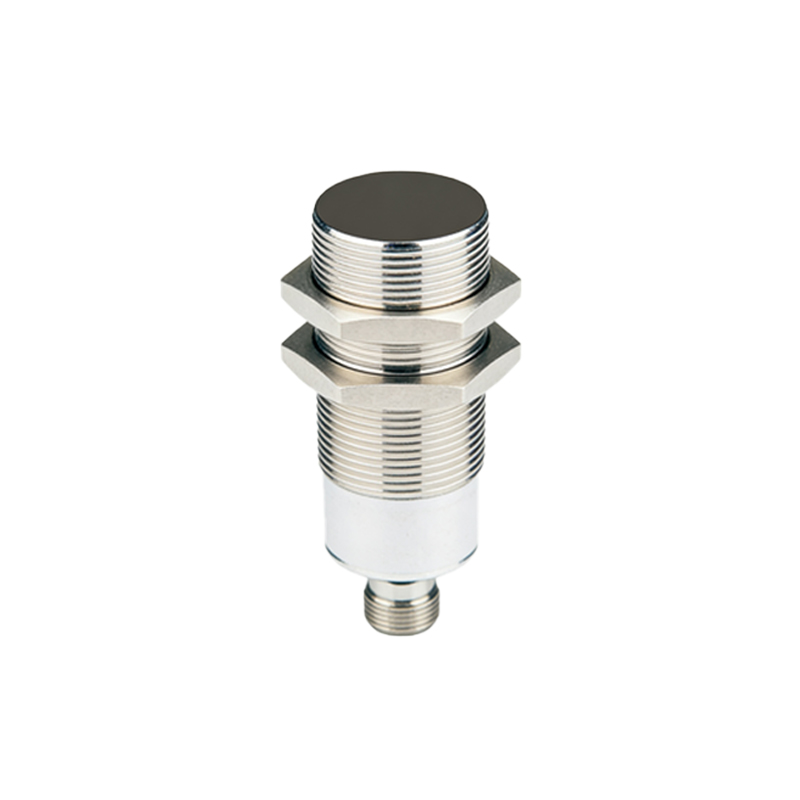
The benefits are particularly pronounced in complex applications. In automated guided vehicle (AGV) systems, a sensor with a display can show the exact clearance distance, aiding in precise docking. In robotic pick-and-place cells, technicians can verify that the sensor is triggering at the correct point in the gripper's cycle by watching the real-time distance value. In filling or packaging machinery, analog sensors with displays allow operators to monitor level or position continuously, making calibration swift and accurate.
From a technical standpoint, integrating a display requires careful design to maintain the sensor's core robustness. Manufacturers ensure these units retain high ingress protection ratings (e.g., IP67, IP69K) and resistance to vibration, chemicals, and electromagnetic interference. The display itself is often ruggedized with protective coatings. Power consumption is managed efficiently, as modern low-power display technologies do not significantly impact the sensor's overall energy footprint.
In conclusion, the integration of a display onto a proximity sensor is far more than a cosmetic upgrade. It represents a fundamental shift towards greater operational transparency, ease of use, and embedded intelligence on the factory floor. By putting critical data and control directly at the point of sensing, these devices empower operators, accelerate commissioning and maintenance, and contribute significantly to the overall efficiency and reliability of automated systems. As Industry 4.0 and the Industrial Internet of Things (IIoT) continue to emphasize data accessibility, the proximity sensor with a display stands as a key enabler, bridging the gap between physical sensing and actionable information.