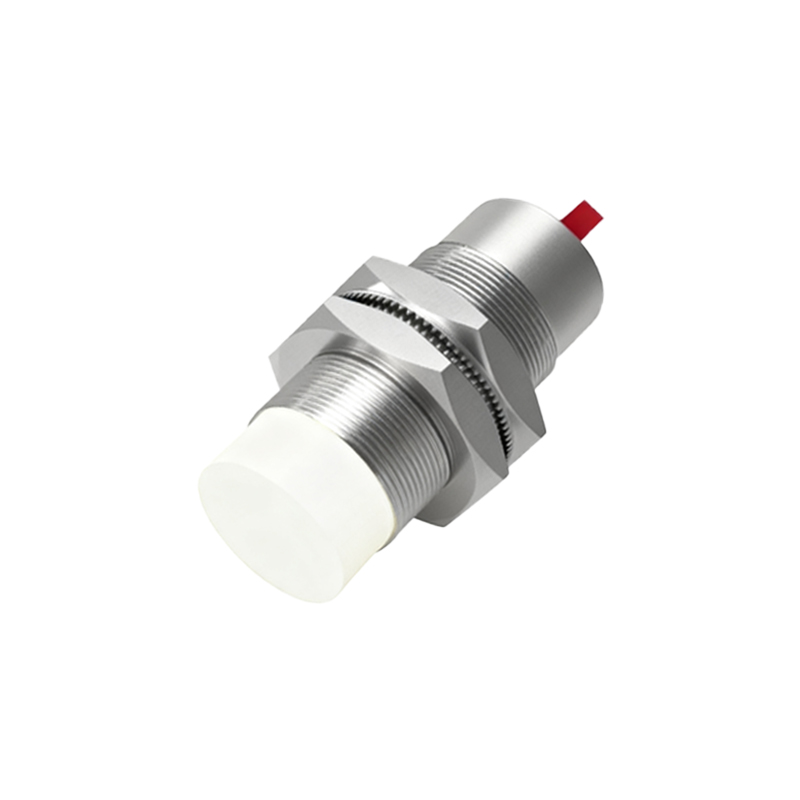
Proximity sensors are pivotal components in modern industrial automation, enabling non-contact detection of objects within a defined range. These devices enhance efficiency, safety, and precision across various sectors, from manufacturing to robotics. Based on their operational principles, proximity sensors can be classified into several distinct types, each suited for specific applications and environmental conditions.
Inductive proximity sensors are among the most common, utilizing electromagnetic fields to detect metallic objects. They consist of a coil wound around a ferrite core, an oscillator, a signal conditioner, and an output circuit. When a metal target enters the sensor's electromagnetic field, eddy currents are induced, causing a change in oscillation amplitude. This alteration triggers the sensor's output, signaling the presence of the object. Inductive sensors excel in harsh environments with dust, moisture, or vibrations, making them ideal for automotive assembly lines, metal machining, and conveyor systems. Their limitations include inability to detect non-metallic materials and a relatively short sensing range, typically up to 60 mm.
Capacitive proximity sensors operate by detecting changes in capacitance between the sensor and a target object. They generate an electrostatic field and monitor its disturbance when an object—whether metallic or non-metallic (like plastic, wood, or liquid)—enters the field. This change in capacitance activates the output. Capacitive sensors are versatile, capable of sensing through non-metallic barriers, which allows for applications in level detection of liquids or granular materials, packaging industries, and presence detection of diverse materials. However, they can be sensitive to environmental factors like humidity and temperature, requiring careful calibration.
Magnetic proximity sensors, often referred to as reed switches or Hall effect sensors, detect magnetic fields. Reed switches use ferromagnetic reeds that close or open in response to a magnet, while Hall effect sensors generate a voltage when exposed to a magnetic field. These sensors are highly reliable for position sensing in cylinders, door closure detection, and speed monitoring in rotational equipment. They offer long operational life and immunity to contaminants but are limited to use with magnetic targets or in conjunction with magnets.
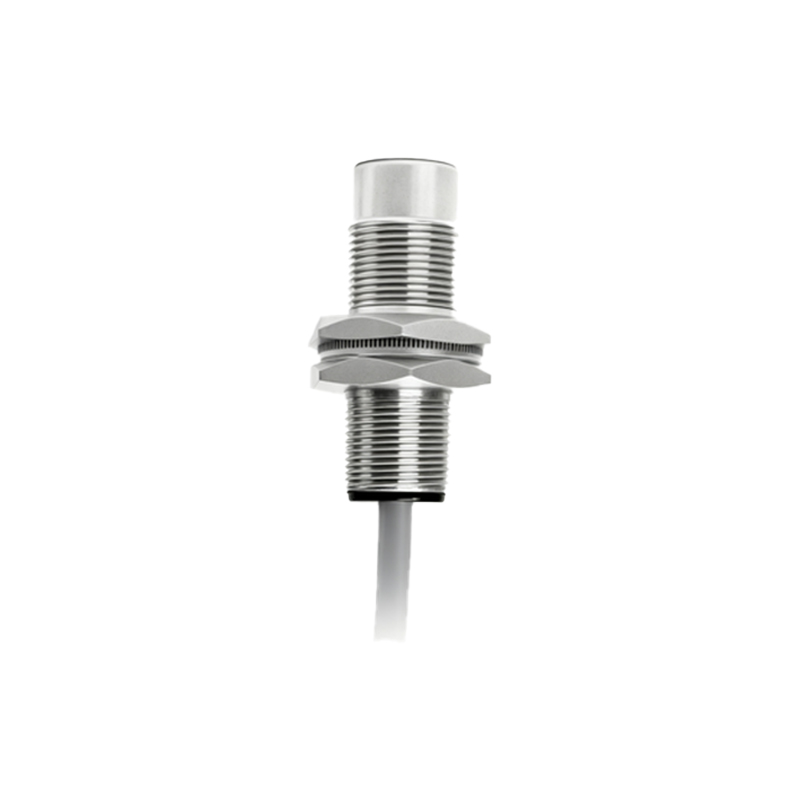
Ultrasonic proximity sensors employ sound waves beyond human hearing (typically 20 kHz to 200 kHz) to measure distance or detect objects. They emit ultrasonic pulses and calculate the time taken for echoes to return, determining the presence and position of targets. These sensors can detect a wide range of materials, regardless of color, transparency, or surface texture, and are effective in challenging conditions like fog or dust. Common applications include parking assistance systems, material handling, and liquid level control. Drawbacks include potential interference from ambient noise and reduced accuracy with soft, sound-absorbing materials.
Optical proximity sensors, including photoelectric types, use light beams (infrared, visible, or laser) to sense objects. They comprise an emitter and a receiver; when an object interrupts or reflects the light beam, the receiver detects the change, triggering an output. Subtypes include through-beam, retro-reflective, and diffuse reflective sensors, each offering varying ranges and precision. Optical sensors are excellent for high-speed counting, packaging, and clean environments but may be affected by ambient light, dirt, or opaque obstructions.
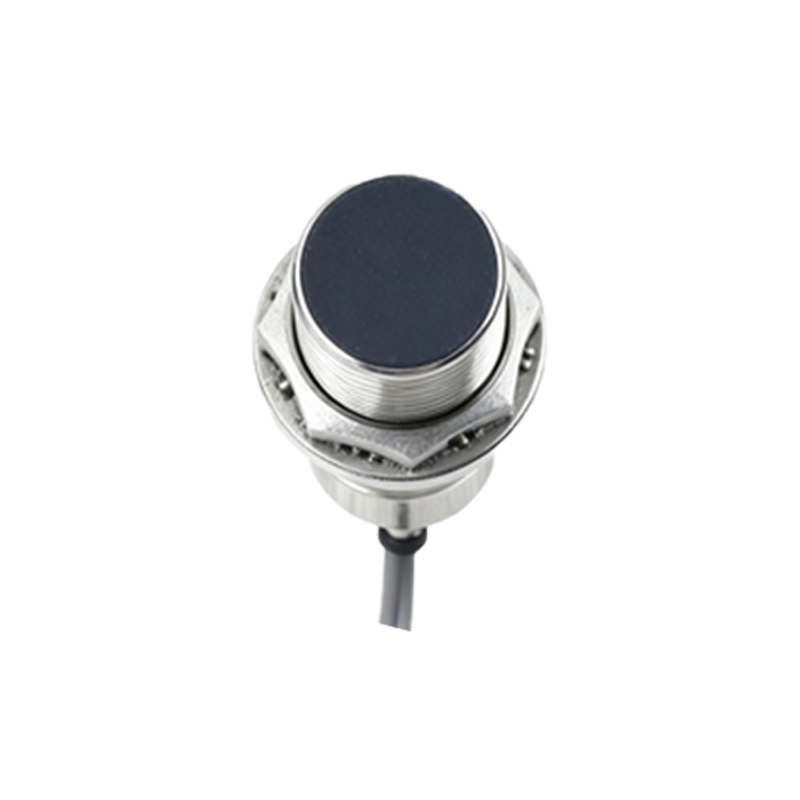
Selection criteria for proximity sensors involve considering factors such as sensing distance, target material, environmental resilience, response time, and output type (e.g., digital or analog). Innovations like IO-Link connectivity and miniaturization are expanding their capabilities, enabling smarter, integrated systems. In summary, understanding the classifications—inductive, capacitive, magnetic, ultrasonic, and optical—empowers engineers to optimize automation processes, ensuring reliability and productivity in industrial operations.