Welding proximity switch sensors are essential components in modern industrial automation, particularly in welding applications where precision, reliability, and durability are critical. These sensors operate based on non-contact detection principles, allowing them to identify the presence or absence of metallic objects without physical interaction. This capability makes them ideal for harsh environments, such as those involving high temperatures, sparks, and electromagnetic interference commonly found in welding processes.
The core working principle of welding proximity switch sensors revolves around electromagnetic induction or capacitive sensing, depending on the type. Inductive proximity sensors, the most common variant in welding, generate an oscillating electromagnetic field from a coil within the sensor. When a metallic object enters this field, eddy currents are induced on the object's surface, causing a change in the oscillation amplitude. The sensor's internal circuitry detects this change and triggers an output signal, typically switching a relay or transistor to indicate the object's presence. This process is highly responsive, enabling real-time detection with minimal delay, which is crucial for maintaining welding accuracy and cycle times.
In welding environments, these sensors are often designed with robust housings made from materials like stainless steel or nickel-plated brass to withstand spatter, dust, and moisture. Additionally, they incorporate shielding against electromagnetic interference (EMI) to prevent false triggers from welding arcs or other electrical noise. Some advanced models feature temperature resistance up to 100°C or higher, ensuring stable operation near heat sources. The output types vary, including NPN, PNP, or analog signals, allowing integration with programmable logic controllers (PLCs) or robotic welding systems for automated control.
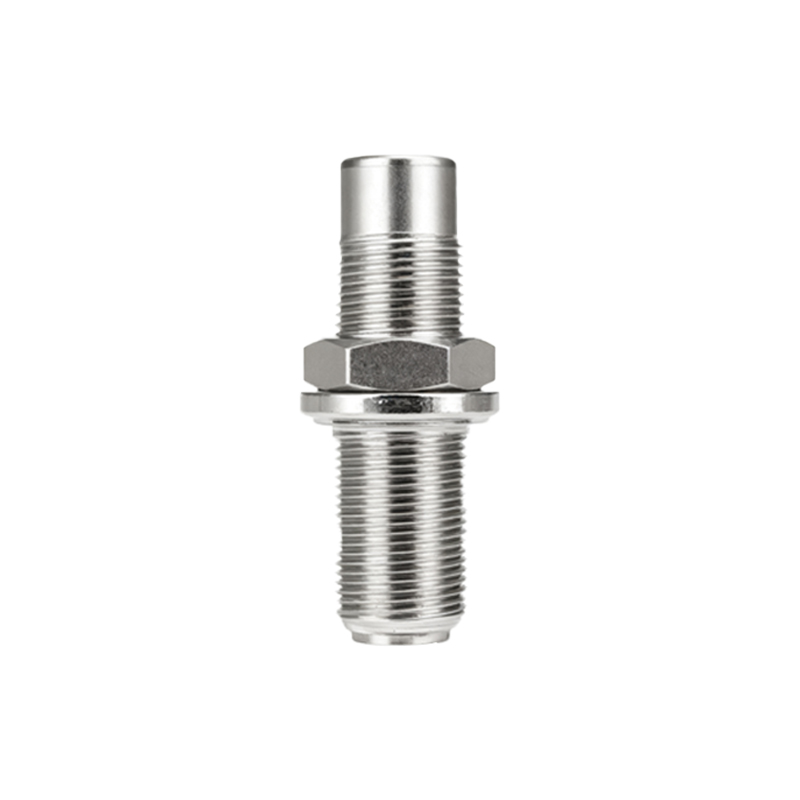
Applications of welding proximity switch sensors extend beyond simple object detection. They are used for position verification of welding torches, seam tracking, and monitoring workpiece alignment. For instance, in robotic welding cells, sensors ensure the robot arm maintains correct distance from the workpiece, optimizing weld quality and preventing collisions. Their non-contact nature reduces wear and tear, leading to lower maintenance costs and increased operational lifespan compared to mechanical switches.
When selecting a welding proximity switch sensor, factors such as sensing range, material compatibility, and environmental ratings must be considered. Standard sensing ranges vary from a few millimeters to several centimeters, with adjustments possible via built-in potentiometers in some models. It is also important to choose sensors rated for specific welding methods, like MIG or TIG, to avoid performance degradation. Regular calibration and testing are recommended to sustain accuracy, especially in high-vibration settings.
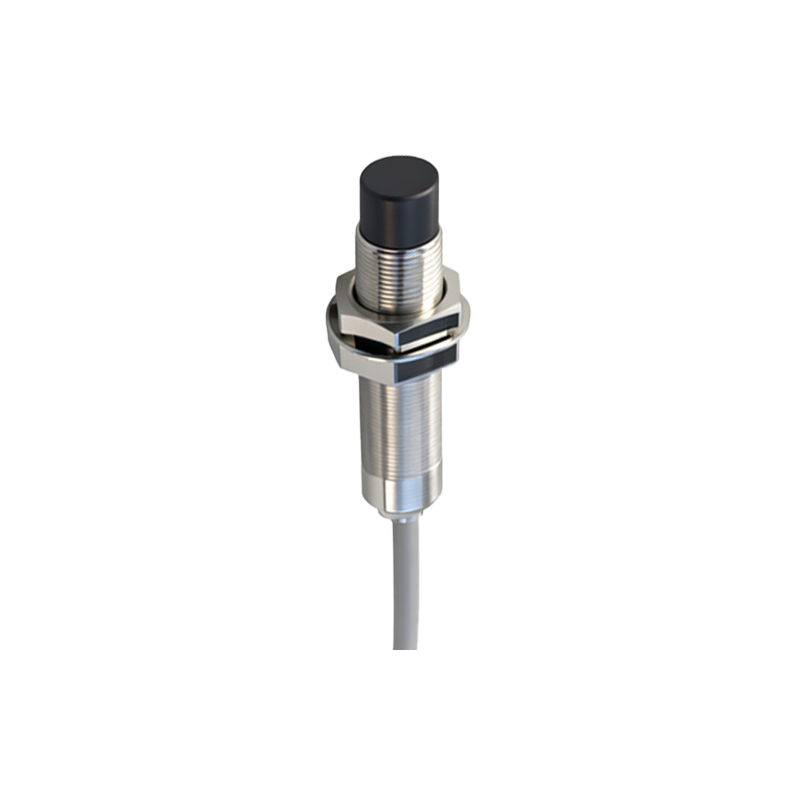
In summary, welding proximity switch sensors leverage electromagnetic or capacitive technologies to provide reliable, non-contact detection in demanding industrial settings. Their ability to endure extreme conditions while delivering precise feedback makes them indispensable for enhancing efficiency and safety in welding operations. As automation advances, these sensors continue to evolve, incorporating features like IoT connectivity for predictive maintenance and smarter manufacturing workflows.