In the rapidly evolving field of robotics, humanoid robots represent one of the most complex and ambitious endeavors. These machines, designed to mimic human form and function, require a sophisticated suite of sensors to navigate and interact with the world. Among these, proximity sensors play a critical and often understated role. They are the silent guardians of spatial awareness, enabling robots to perceive their immediate environment without physical contact. This article delves into the types, principles, and applications of proximity sensors in humanoid robotics, highlighting their indispensable contribution to safe and intelligent operation.
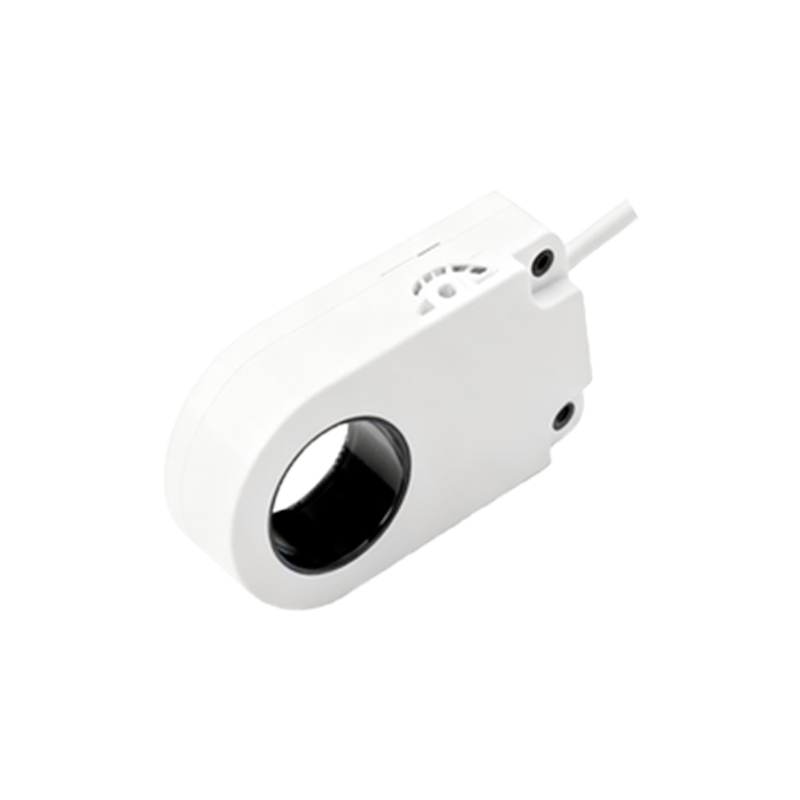
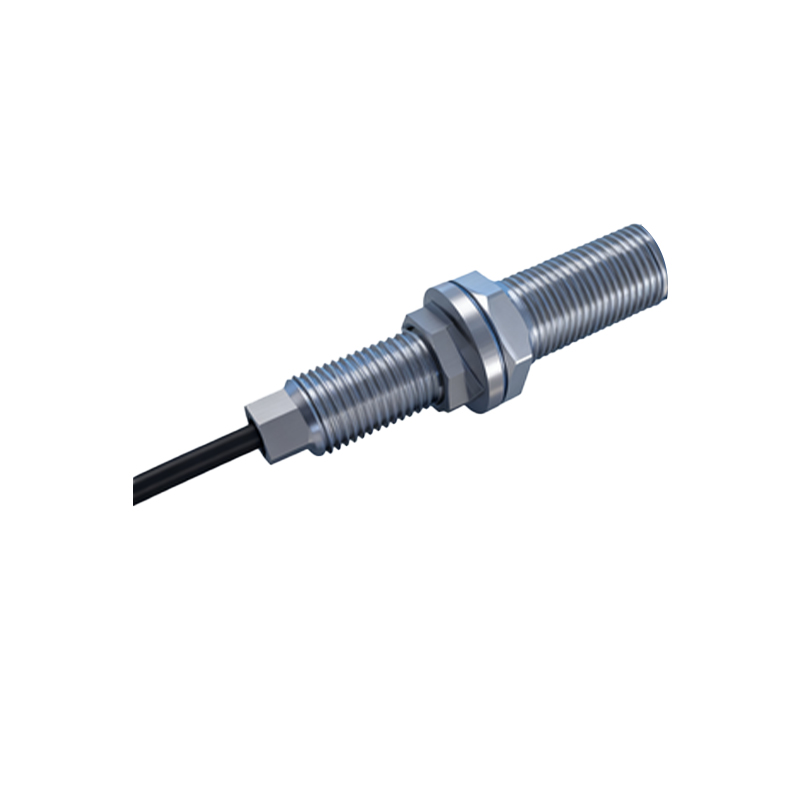
Proximity sensors are devices that detect the presence or absence of an object within a specified range. They operate on various physical principles, each suited to different scenarios. The most common types integrated into humanoid robots include inductive, capacitive, ultrasonic, and optical (infrared) sensors. Inductive sensors are ideal for detecting metallic objects and are often used in the joints or grippers to sense nearby tools or components. Capacitive sensors can detect both metallic and non-metallic objects, including human skin, making them valuable for safety applications where human-robot interaction is anticipated. Ultrasonic sensors emit sound waves and measure the time of flight for the echo, providing reliable distance measurement over longer ranges, useful for obstacle avoidance during navigation. Optical sensors, particularly infrared (IR) sensors and time-of-flight (ToF) cameras, are perhaps the most versatile. IR sensors are compact and excellent for short-range detection, while ToF sensors provide detailed 3D depth maps, crucial for complex environmental modeling.
The integration of these sensors into a humanoid robot's architecture is a feat of systems engineering. A typical humanoid, such as those developed by Boston Dynamics or Tesla, may house dozens of proximity sensors. They are strategically placed on the torso, limbs, head, and hands. For instance, sensors on the lower legs and feet are vital for stable locomotion, detecting stairs, uneven terrain, or unexpected obstacles to prevent falls. Sensors embedded in the arms and hands allow for delicate manipulation tasks, enabling the robot to gauge the distance to an object before grasping it, much like a human reaching for a cup. This pre-touch sensing is essential for dexterous manipulation and prevents collisions that could damage the robot or its surroundings.
The primary function of proximity sensing is to create a real-time, dynamic safety bubble around the robot. In collaborative environments (cobots), this is non-negotiable. If a sensor detects a human worker approaching too quickly or entering a predefined hazardous zone, the robot's control system can instantly trigger a slowdown or a complete stop. This reactive safety is a foundational requirement for any humanoid robot intended to share workspace with people. Beyond safety, proximity data feeds into higher-level perception systems. Sensor fusion—combining data from proximity sensors, cameras, LiDAR, and inertial measurement units (IMUs)—allows the robot to build a comprehensive and robust understanding of its environment. This multi-modal perception is key to handling ambiguous situations, such as distinguishing between a transparent glass door and an open doorway.
However, the deployment of proximity sensors is not without challenges. Sensor interference is a significant concern, especially in environments with multiple robots or reflective surfaces that can confuse ultrasonic or optical sensors. Power consumption and miniaturization are also ongoing battles, as humanoid robots demand compact, lightweight, and energy-efficient components. Furthermore, the interpretation of sensor data in real-time requires substantial computational power and sophisticated algorithms to filter noise and make accurate predictions.
Looking forward, the future of proximity sensing in humanoids is tied to advancements in materials science and artificial intelligence. The development of flexible, skin-like sensor arrays could provide robots with a sense of touch that rivals biological skin, offering unprecedented spatial resolution. Meanwhile, AI and machine learning algorithms are becoming better at predicting object trajectories and intentions from proximity data streams, moving from reactive safety to proactive and anticipatory interaction.
In conclusion, proximity sensors are far more than simple switches; they are the foundational layer of a humanoid robot's perceptual system. By providing essential data about the immediate surroundings, they enable everything from basic collision avoidance to complex, fluid interaction with humans and objects. As humanoid robots transition from research labs to factories, hospitals, and homes, the reliability and intelligence of their proximity sensing systems will directly correlate to their utility, safety, and acceptance in society. The ongoing innovation in this field continues to shrink the perceptual gap between machines and humans, inching us closer to truly seamless collaboration.