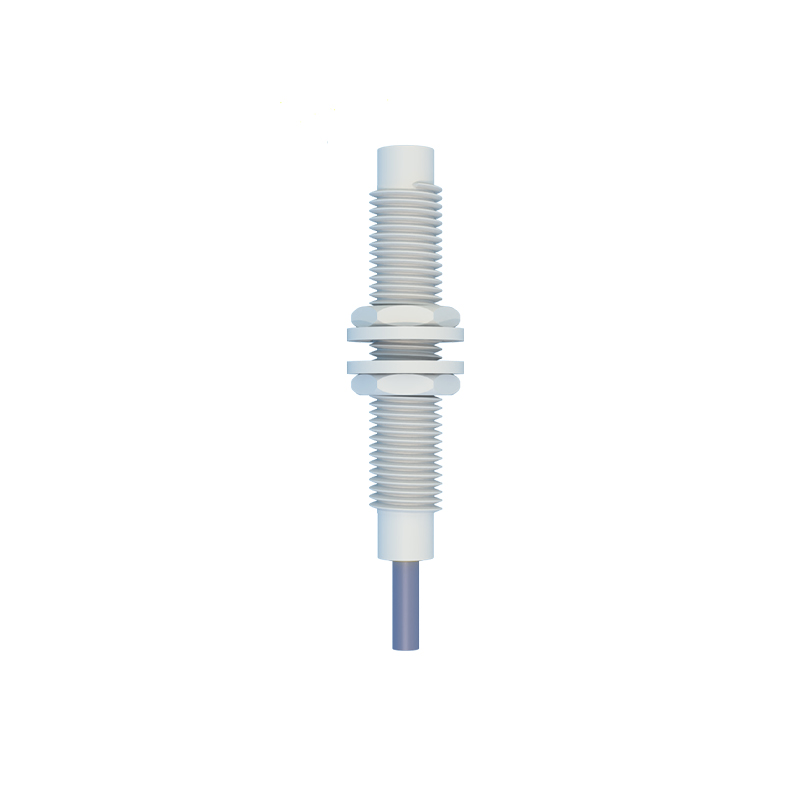
Long-range proximity sensors represent a critical advancement in industrial automation, enabling non-contact detection of objects at distances significantly greater than traditional inductive or capacitive sensors. These devices are engineered to bridge the gap between standard proximity sensing and long-distance measurement, typically operating effectively from a few centimeters up to several meters, depending on the technology employed. The structural design of these sensors is meticulously tailored to their underlying operational principles, which primarily include ultrasonic, laser, and radar-based methodologies.
The core architecture of an ultrasonic long-range proximity sensor comprises a piezoelectric transducer, a signal processing unit, and a protective housing. The transducer acts as both transmitter and receiver, emitting high-frequency sound waves (usually between 40 kHz to 400 kHz) and capturing their echoes. The housing is designed with acoustically transparent materials to facilitate wave propagation while shielding internal electronics from environmental hazards like dust, moisture, and mechanical impact. Advanced models incorporate temperature compensation circuits, as the speed of sound varies with air temperature, which is crucial for maintaining accuracy over long ranges and in fluctuating industrial environments. Signal processing involves precise time-of-flight calculations; the controller measures the interval between pulse emission and echo reception to compute distance. This structural integration allows for reliable detection of objects with varying surface textures, though performance can diminish with highly absorbent materials.
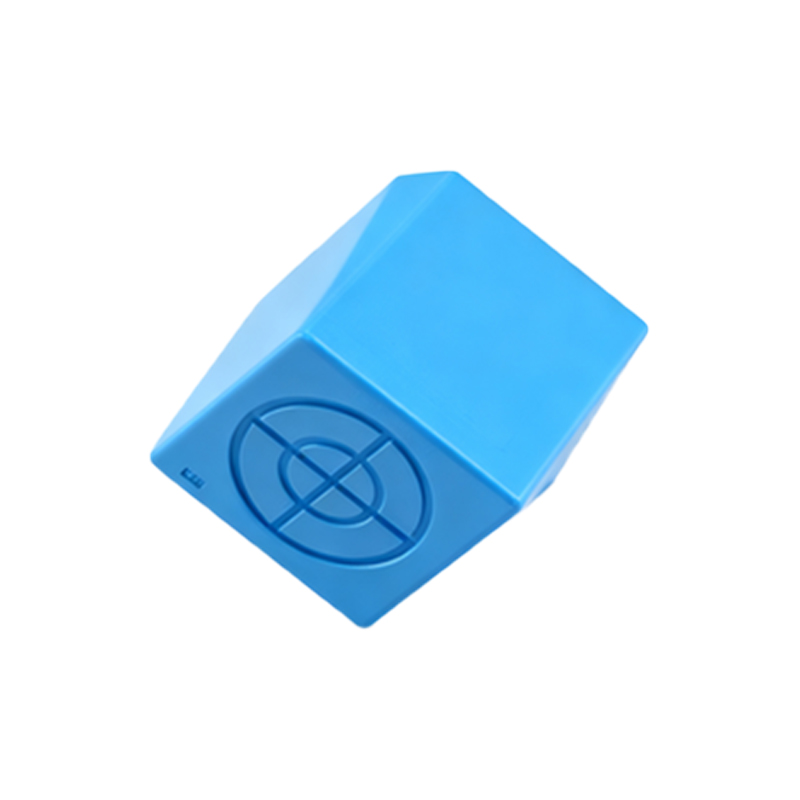
Laser-based long-range sensors, often referred to as LiDAR (Light Detection and Ranging) in certain configurations, employ a different structural paradigm. Key components include a laser diode emitting focused light beams (commonly in the infrared or visible spectrum), a photodetector or CMOS/CCD array, and sophisticated optics. The housing is precisely aligned to collimate the laser beam, ensuring minimal divergence over extended distances. Optical filters are integrated to mitigate interference from ambient light. Structurally, these sensors are compact yet robust, often featuring aluminum or stainless-steel enclosures with IP67 or higher ratings for harsh conditions. Operation hinges on triangulation or phase-shift measurement; in triangulation designs, the reflected light is projected onto a position-sensitive detector, with distance deduced from the light spot's location. For very long ranges (exceeding 10 meters), time-of-flight measurement of laser pulses is utilized. The internal circuitry includes drivers for the laser, amplifiers for the detected signal, and microcontrollers for real-time data analysis. This design enables high precision and rapid response, making laser sensors ideal for applications like material handling, vehicle detection, and automated guided vehicles (AGVs).
Radar-based proximity sensors, utilizing microwave or millimeter-wave frequencies, are structured around a radio frequency (RF) module, antenna, and digital signal processor (DSP). The antenna, often a patch or horn design, is engineered for directivity and gain to focus electromagnetic energy over long ranges. The RF module generates and modulates the transmitted signal, while the DSP analyzes the frequency shift or phase difference in the reflected wave to determine presence and distance. Housing for radar sensors must consider electromagnetic compatibility (EMC), with shielding to prevent interference and conformal coating to protect against corrosion. These sensors excel in challenging environments where dust, fog, or temperature extremes would degrade ultrasonic or laser performance. Their structural resilience allows operation in industries such as mining, logistics, and outdoor automation.
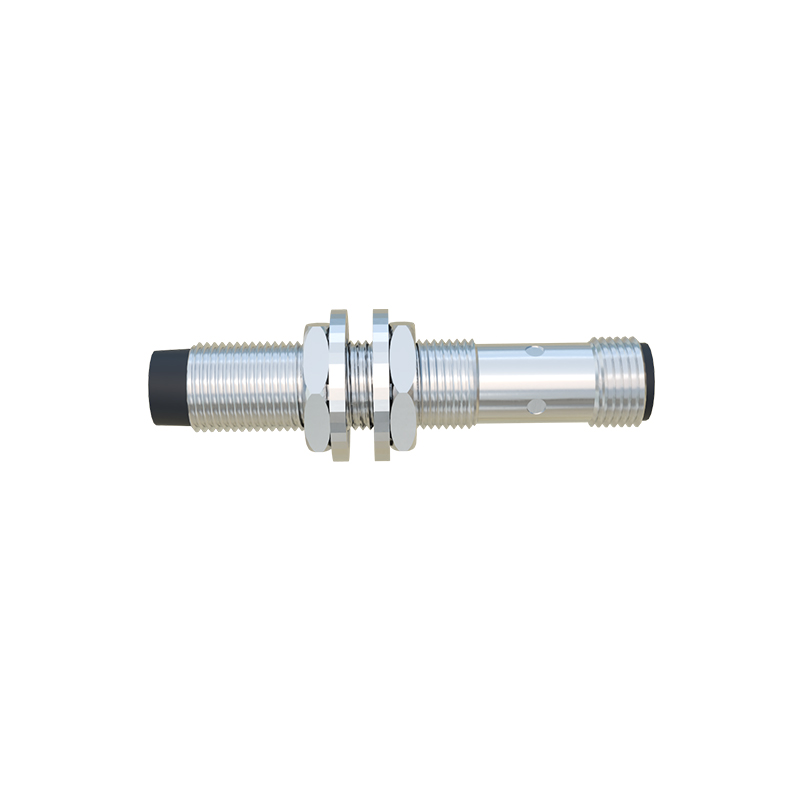
Common to all long-range proximity sensor structures is the emphasis on stability and noise immunity. Designers incorporate filtering algorithms, self-diagnostic functions, and adjustable sensitivity settings to enhance reliability. Connectivity interfaces, such as IO-Link, analog outputs (4-20 mA, 0-10 V), or digital protocols (PNP/NPN), are integrated into the housing, enabling seamless integration with PLCs and control systems. The choice of sensing technology—and thus the internal structure—depends on application-specific factors: target material, required range, environmental conditions, and response speed.
In summary, the structural design of long-range proximity sensors is a sophisticated interplay of transducer technology, protective engineering, and electronic processing. By optimizing each component for extended-range operation, these sensors provide indispensable capabilities for modern industrial systems, enhancing safety, efficiency, and automation precision across diverse sectors. Continuous innovations in materials, miniaturization, and signal processing are further pushing the boundaries of their performance and applicability.