Proximity sensors are essential devices in modern industrial automation, robotics, and safety systems. They detect the presence or absence of objects without physical contact, relying on electromagnetic fields, light, or sound. To grasp how these sensors function, it is crucial to understand their core components, which work together to ensure accurate and reliable detection. This article delves into the primary parts of a typical proximity sensor, explaining their roles and interactions.
At the heart of a proximity sensor is the sensing element. This component generates a field or beam that interacts with the target object. In inductive proximity sensors, the sensing element consists of a coil wound around a ferrite core, which produces an oscillating electromagnetic field. When a metallic object enters this field, eddy currents are induced, altering the oscillation and triggering detection. Capacitive sensors use a conductive plate as the sensing element to create an electrostatic field, detecting both metallic and non-metallic materials based on changes in capacitance. Photoelectric sensors employ an LED or laser diode to emit light, with a phototransistor or photodiode acting as the receiver to sense reflections or beam interruptions. Ultrasonic sensors utilize a piezoelectric transducer to generate sound waves and receive echoes. The sensing element is often protected by a housing, but its sensitivity directly impacts the sensor's range and accuracy.
Connected to the sensing element is the oscillator circuit, a vital electronic component. In inductive and capacitive sensors, the oscillator sustains the electromagnetic or electrostatic field at a specific frequency. It monitors changes in amplitude or frequency caused by the target's presence. For instance, in inductive sensors, the oscillator's frequency shifts when eddy currents dampen the field, signaling detection. This circuit must be finely tuned to minimize false triggers from environmental interference like temperature fluctuations or electrical noise. In photoelectric and ultrasonic sensors, the oscillator modulates the emitted light or sound waves, enabling the sensor to distinguish signals from background noise.
The signal processing unit interprets changes detected by the oscillator. This component includes amplifiers, comparators, and microcontrollers that convert analog signals into digital outputs. When the sensing element identifies a target, the oscillator sends a weak signal to the amplifier, which boosts it to a usable level. The comparator then evaluates this signal against a predefined threshold—if it exceeds the threshold, the sensor activates its output. Advanced sensors incorporate microcontrollers for digital signal processing (DSP), allowing features like programmable sensitivity, time delays, and diagnostic functions. This unit ensures the sensor responds only to valid targets, enhancing reliability in complex industrial environments.
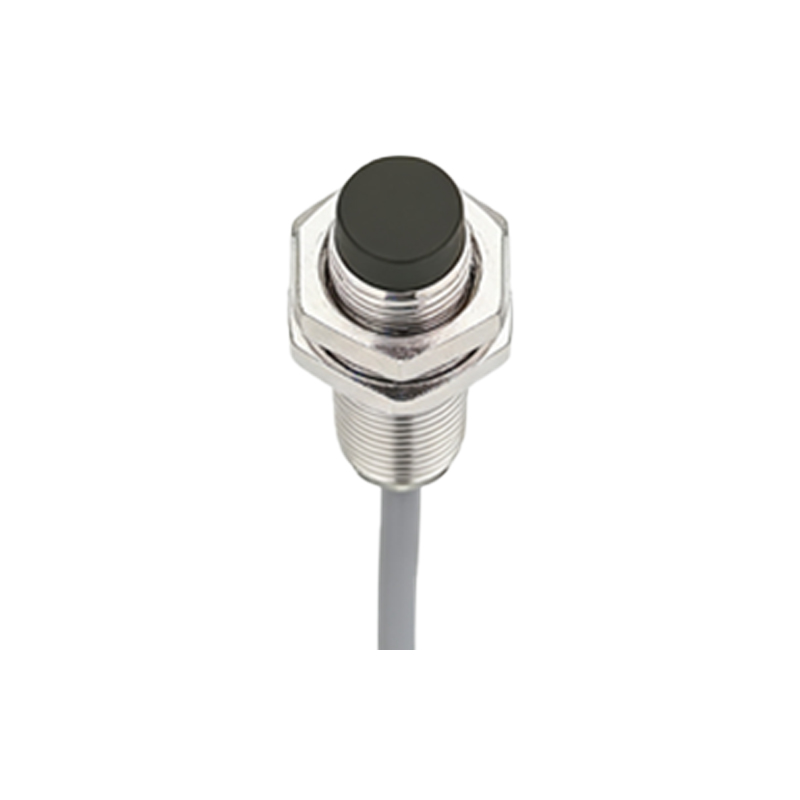
The output stage is the interface between the sensor and external control systems. Common outputs include transistor-based switches (NPN or PNP), analog voltage (0-10V), or current signals (4-20mA). In a typical setup, when the signal processing unit confirms detection, it triggers the output transistor to switch on, connecting or disconnecting a circuit to control machinery like PLCs, relays, or actuators. Some sensors offer configurable outputs, such as push-pull or relay contacts, to match different electrical loads. The output stage also includes protection circuits against short circuits, overloads, and reverse polarity, safeguarding the sensor from damage in harsh conditions.
Encasing these internal components is the housing, which provides mechanical and environmental protection. Made from materials like stainless steel, nickel-plated brass, or PBT plastic, the housing shields the sensor from dust, moisture, chemicals, and physical impacts. Its design influences the sensing range and mounting options—for example, cylindrical housings are common for inductive sensors, while rectangular housings suit photoelectric models. The front face, or sensing face, is often flush-mounted to avoid interference, and some housings include LED indicators for status monitoring. Proper housing selection ensures durability in applications ranging from factory floors to outdoor settings.
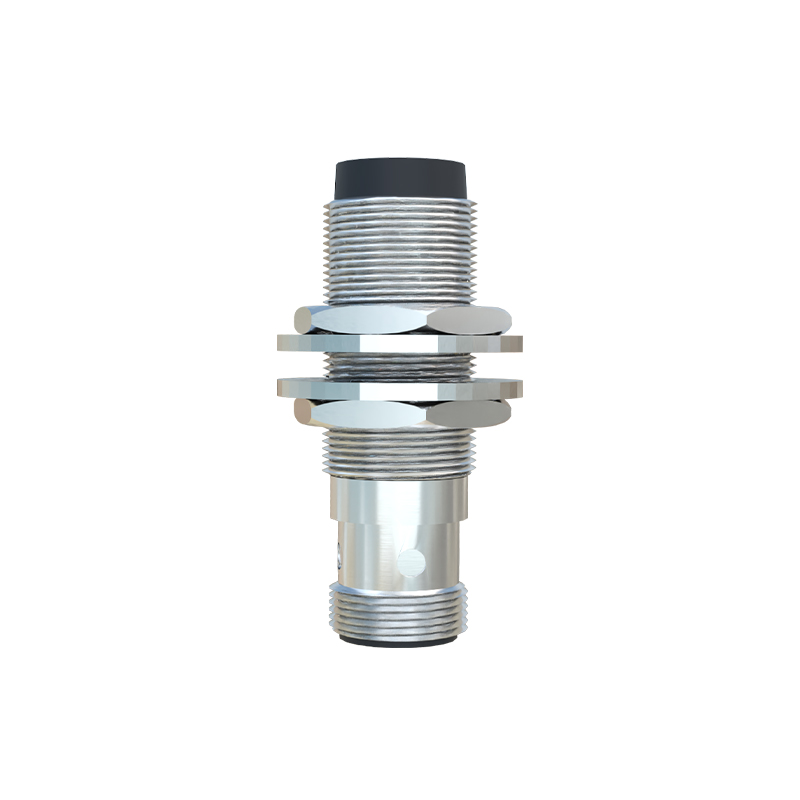
Power supply connections are integral to the sensor's operation. Most proximity sensors operate on DC voltages (10-30V DC) or AC voltages (90-250V AC), with terminals for positive, negative, and ground wires. Internal voltage regulators stabilize input power, preventing fluctuations from affecting performance. In two-wire AC/DC sensors, the same wires handle both power and output, simplifying installation but requiring careful load matching. Three-wire and four-wire designs separate power and output lines, offering greater flexibility. The power section may also include filtering to suppress electromagnetic interference (EMI), critical in high-noise industrial environments.
Additional features enhance functionality in specific applications. For instance, temperature compensation circuits adjust sensitivity in varying thermal conditions, while embedded diagnostics alert users to issues like sensor blockage or wiring faults. In hazardous areas, intrinsically safe designs limit energy output to prevent ignition risks. Understanding these components helps engineers select and maintain proximity sensors effectively, optimizing performance in automation, packaging, automotive, and safety systems. Regular inspection of the sensing element for contamination, checking electrical connections, and verifying output signals can prolong