In the rapidly evolving field of industrial automation and precision measurement, laser sensor breakout boards have emerged as pivotal components, bridging the gap between sophisticated laser sensing technology and accessible, modular implementation. These boards serve as intermediary platforms that simplify the integration of laser sensors—such as time-of-flight (ToF), triangulation, or LIDAR modules—into larger systems, including robotics, quality control assemblies, and IoT devices. By providing essential signal conditioning, power management, and communication interfaces, breakout boards enable engineers and developers to harness the high accuracy and speed of laser sensing without delving into complex low-level circuit design.
A typical laser sensor breakout board incorporates several key features. Firstly, it includes voltage regulators and protection circuits to ensure stable operation, as laser sensors often require precise voltage levels and are sensitive to power fluctuations. Secondly, it offers standardized communication ports, such as I2C, SPI, or UART, allowing seamless data exchange with microcontrollers like Arduino, Raspberry Pi, or industrial PLCs. Additionally, many boards come with built-in amplifiers and filters to enhance signal integrity, reducing noise and improving measurement reliability. For instance, a ToF laser sensor breakout might integrate a microcontroller to handle raw data processing, outputting direct distance readings in millimeters, thereby offloading computational tasks from the main system.
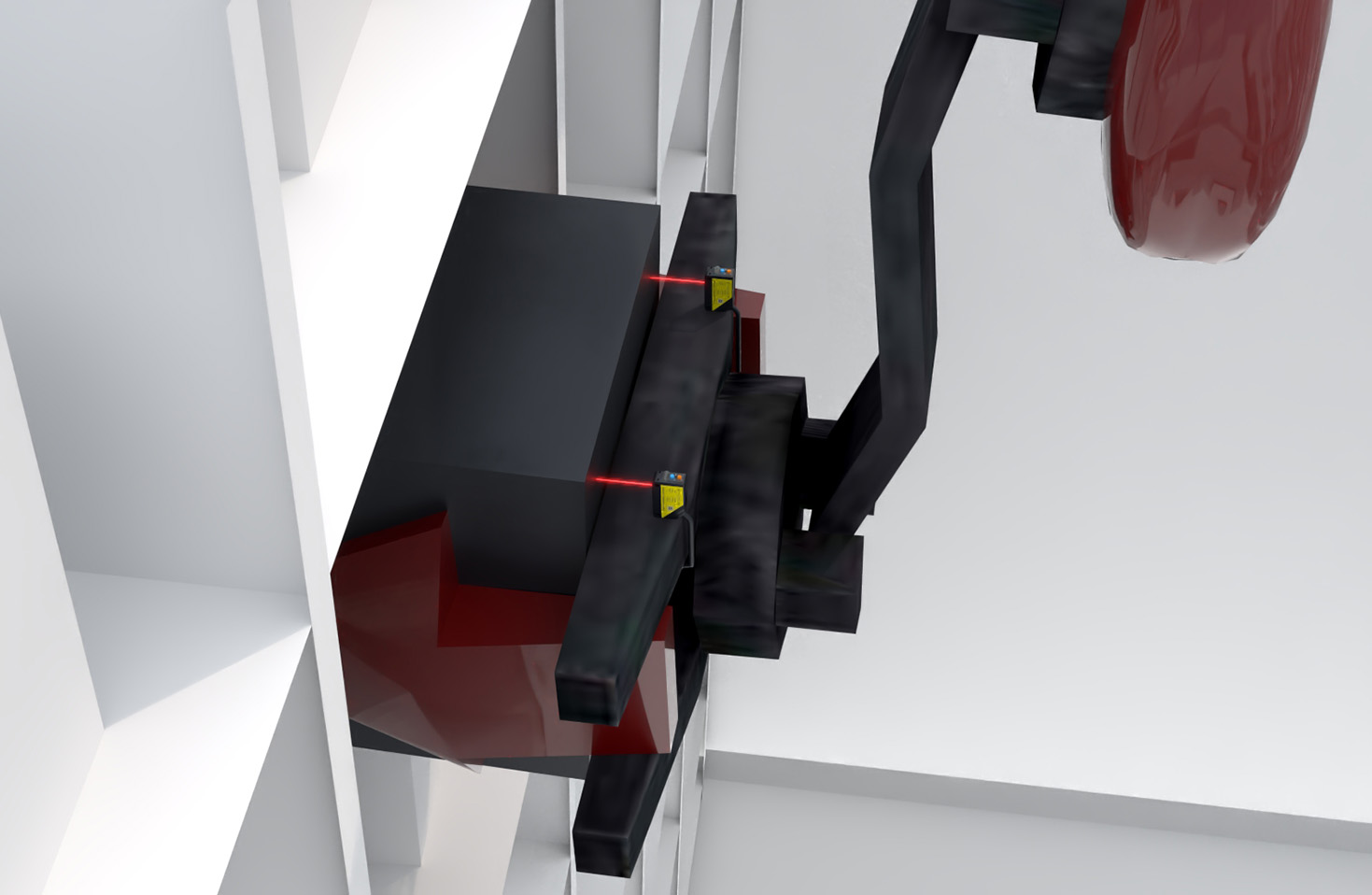
The applications of these breakout boards are vast and transformative. In robotics, they facilitate obstacle detection and navigation by providing real-time distance data, enabling autonomous machines to operate safely in dynamic environments. In manufacturing, laser triangulation sensors on breakout boards are used for non-contact thickness gauging, surface inspection, and alignment checks, ensuring product quality with micron-level precision. Moreover, in consumer electronics, compact LIDAR breakout boards are driving advancements in augmented reality and gesture recognition. The modular nature of these boards accelerates prototyping and development cycles, allowing teams to test and iterate designs quickly without custom PCB fabrication.
When selecting a laser sensor breakout board, engineers must consider parameters like measurement range, accuracy, response time, and environmental robustness. For example, outdoor applications may require boards with IP-rated enclosures to withstand dust and moisture, while high-speed production lines might prioritize sub-millisecond response times. Compatibility with existing software libraries and development frameworks is also crucial, as it reduces coding effort and accelerates deployment. Leading manufacturers often provide comprehensive datasheets, example code, and community support, further lowering the barrier to adoption.
Looking ahead, trends in miniaturization and smart sensing are shaping the next generation of laser sensor breakout boards. Integration of AI co-processors directly on board could enable edge computing capabilities, allowing for on-device data analysis and decision-making. Additionally, advancements in low-power designs will enhance battery-operated applications, such as portable scanners and wearable devices. As Industry 4.0 and IoT ecosystems expand, the demand for interoperable, plug-and-play laser sensing solutions will only grow, solidifying the role of breakout boards as essential enablers of innovation.
In conclusion, laser sensor breakout boards represent a critical convergence of accessibility and high-performance sensing. By abstracting hardware complexities, they empower a broader range of professionals to incorporate laser-based measurements into their projects, driving efficiency and precision across diverse sectors. Whether for educational purposes, industrial automation, or cutting-edge research, these boards continue to push the boundaries of what is possible with modern sensor technology.