In the rapidly evolving field of robotics, human proximity sensors have become indispensable components, bridging the gap between automated machinery and human operators. These sensors are designed to detect the presence of humans or objects within a predefined range, enabling robots to respond appropriately—whether by slowing down, stopping, or altering their path. This capability is crucial not only for safety but also for facilitating seamless human-robot collaboration in industrial, medical, and service environments.
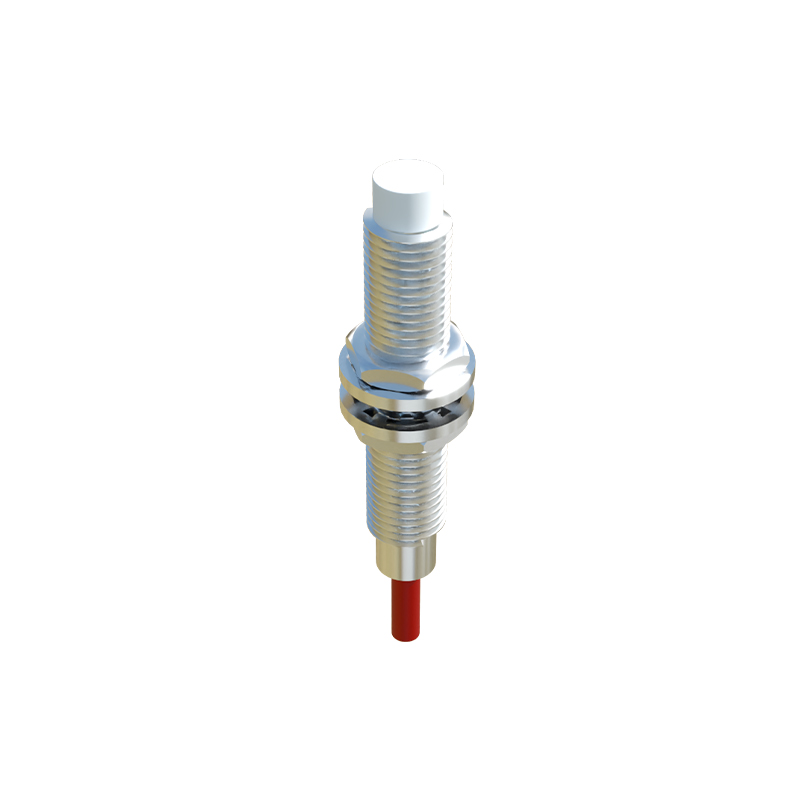
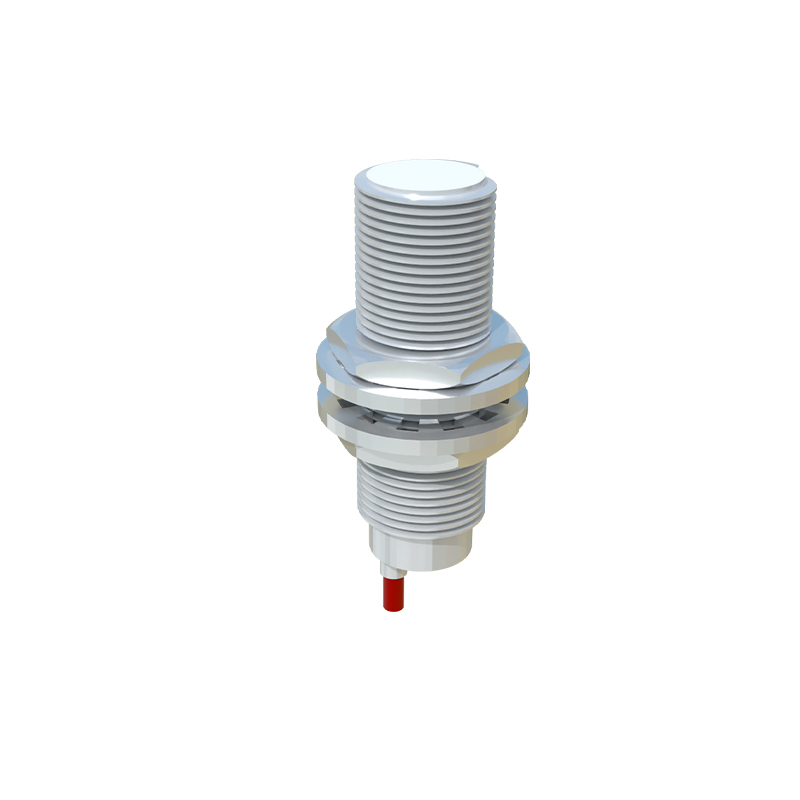
The core technology behind human proximity sensors varies, with common types including capacitive, inductive, ultrasonic, and infrared sensors. Capacitive sensors detect changes in an electrical field caused by conductive objects like the human body, making them ideal for close-range applications. Inductive sensors, on the other hand, are better suited for metallic objects and are often used in manufacturing settings. Ultrasonic sensors emit sound waves and measure their reflection to gauge distance, offering reliable performance in diverse environmental conditions. Infrared sensors use light beams to detect motion or presence, commonly found in consumer electronics and automated systems. Each type has its strengths, and selection depends on factors such as range, accuracy, environmental interference, and cost.
In industrial robotics, proximity sensors are integral to safety systems like those outlined in standards such as ISO 10218 and ISO/TS 15066. These regulations emphasize risk assessment and the implementation of safeguards to prevent accidents. For instance, in collaborative robot (cobot) applications, sensors enable speed and separation monitoring, allowing robots to operate at full speed when humans are absent but reduce velocity or halt when a person enters a shared workspace. This dynamic adjustment minimizes downtime while prioritizing worker safety. Advanced systems may integrate multiple sensor types to create layered protection, ensuring redundancy and reliability.
Beyond safety, human proximity sensors enhance robotic functionality in interactive scenarios. In healthcare, robots equipped with these sensors can assist patients by detecting falls or monitoring movements without physical contact, preserving privacy. In retail or hospitality, service robots use sensors to navigate crowded spaces, avoiding collisions with customers. The rise of autonomous mobile robots (AMRs) in warehouses relies heavily on proximity detection to maneuver around human workers and obstacles, optimizing logistics efficiency.
However, challenges persist in sensor deployment. False positives or negatives can occur due to environmental factors like temperature fluctuations, electromagnetic interference, or reflective surfaces. Calibration and regular maintenance are essential to ensure accuracy. Moreover, integrating sensors with robot control systems requires sophisticated software algorithms for real-time data processing and decision-making. Machine learning techniques are increasingly employed to improve detection capabilities, enabling sensors to distinguish between humans and inanimate objects with higher precision.
Looking ahead, innovations in sensor technology promise even greater advancements. Developments in time-of-flight (ToF) sensors and 3D vision systems allow for more detailed spatial awareness, while miniaturization and cost reduction make these tools accessible for smaller-scale applications. The integration of Internet of Things (IoT) connectivity enables remote monitoring and predictive maintenance, further enhancing system robustness. As robotics continues to permeate daily life, human proximity sensors will play a pivotal role in fostering trust and efficiency in human-robot interactions.
In summary, human proximity sensors are vital for modern robotics, offering a blend of safety, adaptability, and intelligence. By understanding their principles and applications, engineers can design systems that not only protect humans but also unlock new possibilities for collaboration across industries. Continuous research and adherence to safety standards will drive future improvements, ensuring that robots remain reliable partners in an increasingly automated world.