Ultrasonic proximity sensors are widely used across various industries for their ability to detect objects without physical contact, offering high accuracy and reliability in challenging environments. When considering the price of these sensors, several key factors come into play, influencing the overall cost and making it essential for engineers and procurement specialists to understand what drives pricing.
The first major factor is the sensing range. Ultrasonic sensors are available in different ranges, from short-distance models (a few centimeters) to long-range versions (up to several meters). Generally, sensors with longer detection ranges require more sophisticated components, such as higher-power transducers and advanced signal processing circuits, which increase manufacturing costs. For instance, a sensor designed for 10-meter detection will typically be priced higher than one limited to 1 meter, due to the need for enhanced sensitivity and noise reduction capabilities.
Another critical element is the sensor's performance specifications. Accuracy, resolution, and response time directly impact price. High-precision sensors with tight tolerances (e.g., ±1 mm accuracy) often incorporate premium materials and calibration processes, leading to higher costs. Similarly, sensors with fast response times (in milliseconds) may use specialized microcontrollers or algorithms, adding to the expense. In industrial automation, where rapid and reliable detection is crucial, investing in higher-performance sensors can justify the price through reduced downtime and improved efficiency.
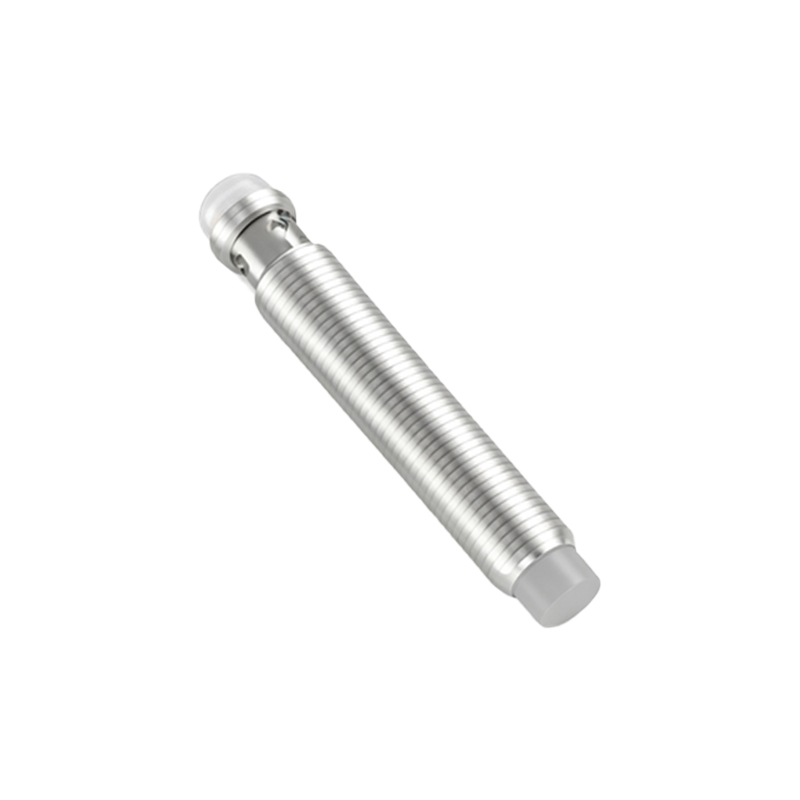
Environmental durability also plays a significant role in pricing. Sensors rated for harsh conditions—such as those with IP67 or IP69K ingress protection, wide temperature ranges (-40°C to 85°C), or resistance to chemicals and vibrations—require robust housing, sealed components, and durable transducers. These features increase production costs but are necessary for applications in manufacturing, automotive, or outdoor settings, where exposure to dust, moisture, or extreme temperatures is common.
The type of output and connectivity options further influence cost. Basic ultrasonic sensors with simple digital outputs (e.g., PNP/NPN) are generally more affordable, while those with analog outputs (0-10V or 4-20mA) or advanced communication protocols (like IO-Link, PROFINET, or Ethernet/IP) tend to be pricier. Integrated smart features, such as self-diagnostics, teach-in functions, or adjustable parameters via software, add value but also raise the price due to additional electronics and development efforts.
Brand reputation and support services are intangible yet important cost factors. Established manufacturers with a track record of quality and reliability often charge a premium, backed by warranties, technical support, and certification compliance (e.g., CE, UL). While generic or low-cost alternatives may seem attractive, they might lack consistency or long-term support, potentially leading to higher lifecycle costs from failures or maintenance issues.
Market demand and supply chain dynamics can cause price fluctuations. During periods of high demand in sectors like logistics, robotics, or automotive, prices may rise due to component shortages or increased production costs. Conversely, economies of scale from mass production can lower prices for standard models. It's advisable to monitor industry trends and consider bulk purchasing or long-term contracts to manage expenses.
In summary, the price of ultrasonic proximity sensors is not a one-size-fits-all metric. It reflects a combination of technical specifications, environmental robustness, features, and market factors. By evaluating these aspects against specific application needs—whether for simple object detection in packaging or complex positioning in automated guided vehicles—engineers can make informed decisions that balance cost with performance and durability, ensuring optimal value in their projects.