In the rapidly evolving landscape of industrial manufacturing, the integration of laser sensors into automated welding systems represents a significant leap forward in precision, quality control, and operational efficiency. This technology, which once seemed like a futuristic concept, is now a cornerstone in sectors ranging from automotive and aerospace to heavy machinery and consumer electronics. The core principle involves using laser-based vision systems to guide robotic welders, ensuring unparalleled accuracy in joint tracking, seam finding, and real-time process adjustment.
Traditional welding automation, while effective, often relied on pre-programmed paths or simple tactile sensing. These methods could struggle with part variability, thermal distortion, or inconsistent joint geometries, leading to rework, defects, and material waste. Laser sensor technology overcomes these limitations. A typical system projects a structured laser line or pattern onto the workpiece surface. High-resolution cameras then capture the distortion of this pattern. Sophisticated software algorithms analyze this data in milliseconds, constructing a precise 3D map of the weld seam. This map provides the robotic controller with exact coordinates for the weld torch's path, including the seam's width, depth, and any gaps or misalignments.
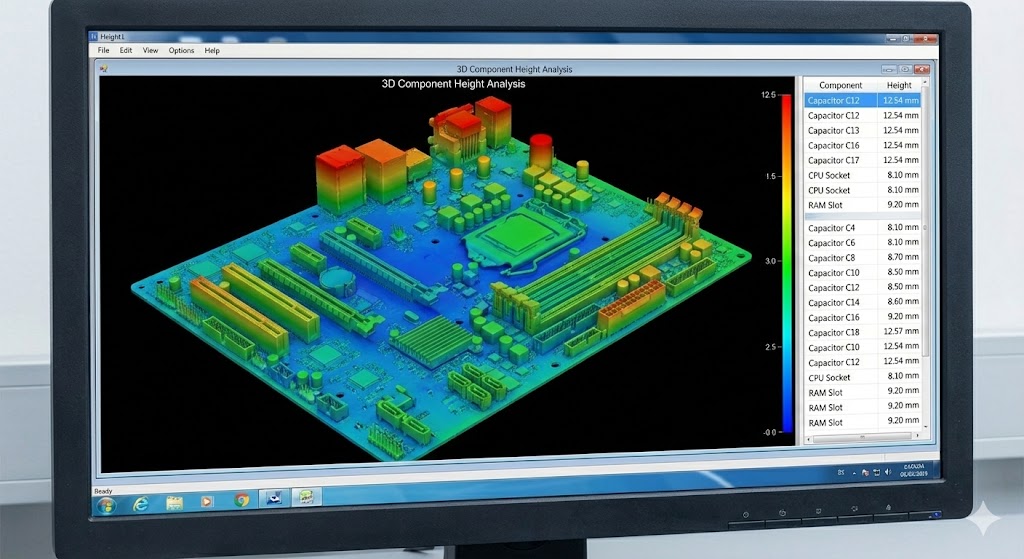
The benefits are multifaceted. First and foremost is the dramatic improvement in weld quality and consistency. The laser sensor can detect deviations as small as a few microns, allowing the robot to adjust parameters like travel speed, wire feed rate, and arc voltage on-the-fly. This adaptive control is crucial for maintaining optimal penetration and bead profile, even when welding parts with inherent dimensional tolerances. Secondly, it enables true "plug-and-produce" flexibility. Production lines can switch between different part designs with minimal downtime, as the system autonomously locates and adapts to the new weld seams instead of requiring lengthy reprogramming. This is invaluable for high-mix, low-volume manufacturing.
Furthermore, laser-guided welding enhances safety and reduces costs. By minimizing human intervention in the welding cell, exposure to intense light, fumes, and heat is significantly reduced. The reduction in defects and rework directly lowers material consumption and scrap rates. Predictive maintenance also becomes more feasible, as sensor data can indicate wear on consumables like contact tips or nozzles before they cause quality issues.
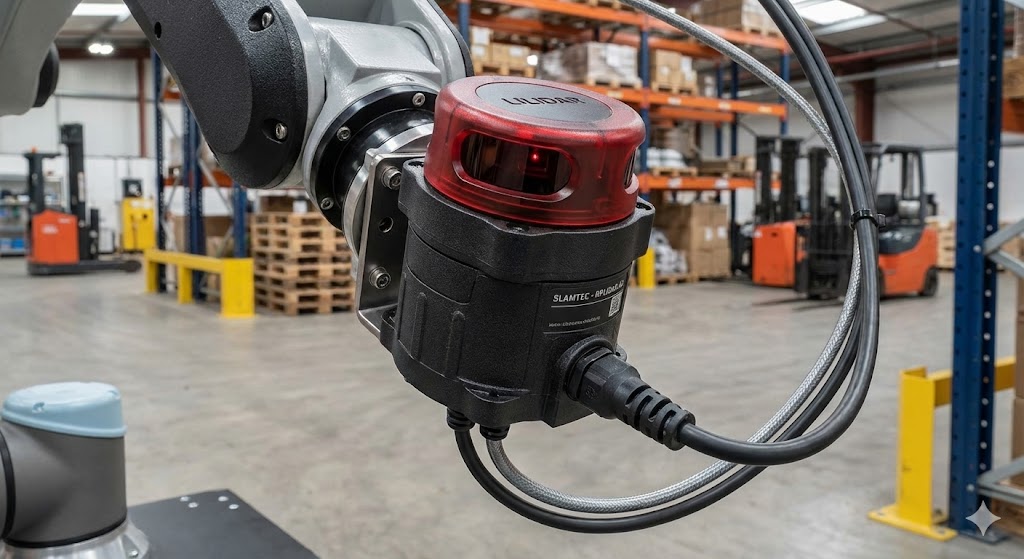
A practical application can be seen in automotive frame construction. Here, multiple robots equipped with laser seam trackers weld complex, multi-directional joints on vehicle chassis. The sensors compensate for the natural flex and fit-up variations of the large sub-assemblies, ensuring every weld meets strict safety and durability standards. Similarly, in shipbuilding, laser sensors guide robots welding thick steel plates, maintaining consistent quality over seams that can be dozens of meters long.
The technology continues to advance. Integration with Industrial Internet of Things (IIoT) platforms allows for centralized monitoring and data analytics, creating a digital thread for each weld. Emerging trends include the combination of laser sensors with machine learning algorithms. These systems can learn from historical weld data to predict optimal parameters for new materials or joint types, moving from adaptive control to predictive optimization.
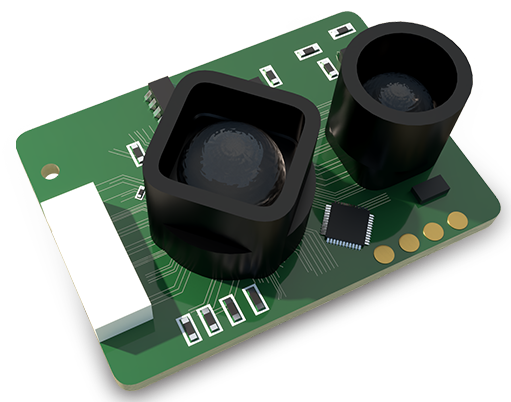
However, successful implementation requires careful consideration. The choice of laser sensor (based on resolution, scanning speed, and environmental robustness), its integration with the robot controller, and the programming of the adaptive logic are critical. Proper shielding from ambient arc light and spatter is also essential for reliable sensor operation. Despite these considerations, the return on investment is compelling, driven by higher throughput, superior quality, and reduced operational expenses.
In conclusion, automated welding systems empowered by laser sensors are no longer a luxury but a necessity for manufacturers aiming to compete on a global scale. They bridge the gap between rigid automation and the dynamic realities of the factory floor, delivering the consistency demanded by modern quality standards while providing the flexibility needed for agile production. As sensor technology becomes more sophisticated and cost-effective, its role in shaping the future of smart, connected welding factories will only become more profound.