In the realm of precision measurement and industrial automation, laser displacement sensors have become indispensable tools. At the heart of their accuracy and performance lies a critical optical component: the sensor lens. This article delves into the technical intricacies of laser displacement sensor lenses, exploring their function, types, key specifications, and practical considerations for selection and maintenance.
The primary function of the lens in a laser displacement sensor is to shape and focus the emitted laser beam onto the target surface and to collect the reflected light for the receiver. Unlike simple glass, these are precision-engineered optical elements. The lens system directly influences the sensor's spot size, working distance, and measurement range. A well-designed lens ensures a small, consistent spot size, which is crucial for high-resolution measurements, especially on textured or curved surfaces. It also defines the depth of field—the range within which the target can move while maintaining accurate measurement.
Several lens types are employed, each suited to specific applications. Standard fixed-focus lenses are common for general-purpose measurements at a set working distance. Telecentric lenses are specialized optics that produce a collimated beam, meaning the chief rays are parallel to the optical axis. This design is vital for applications where measurement accuracy must be unaffected by target tilt or height variation, such as in semiconductor inspection or precision assembly. For applications requiring a very long working distance or a confined installation space, periscope or right-angle lens attachments can redirect the laser path.
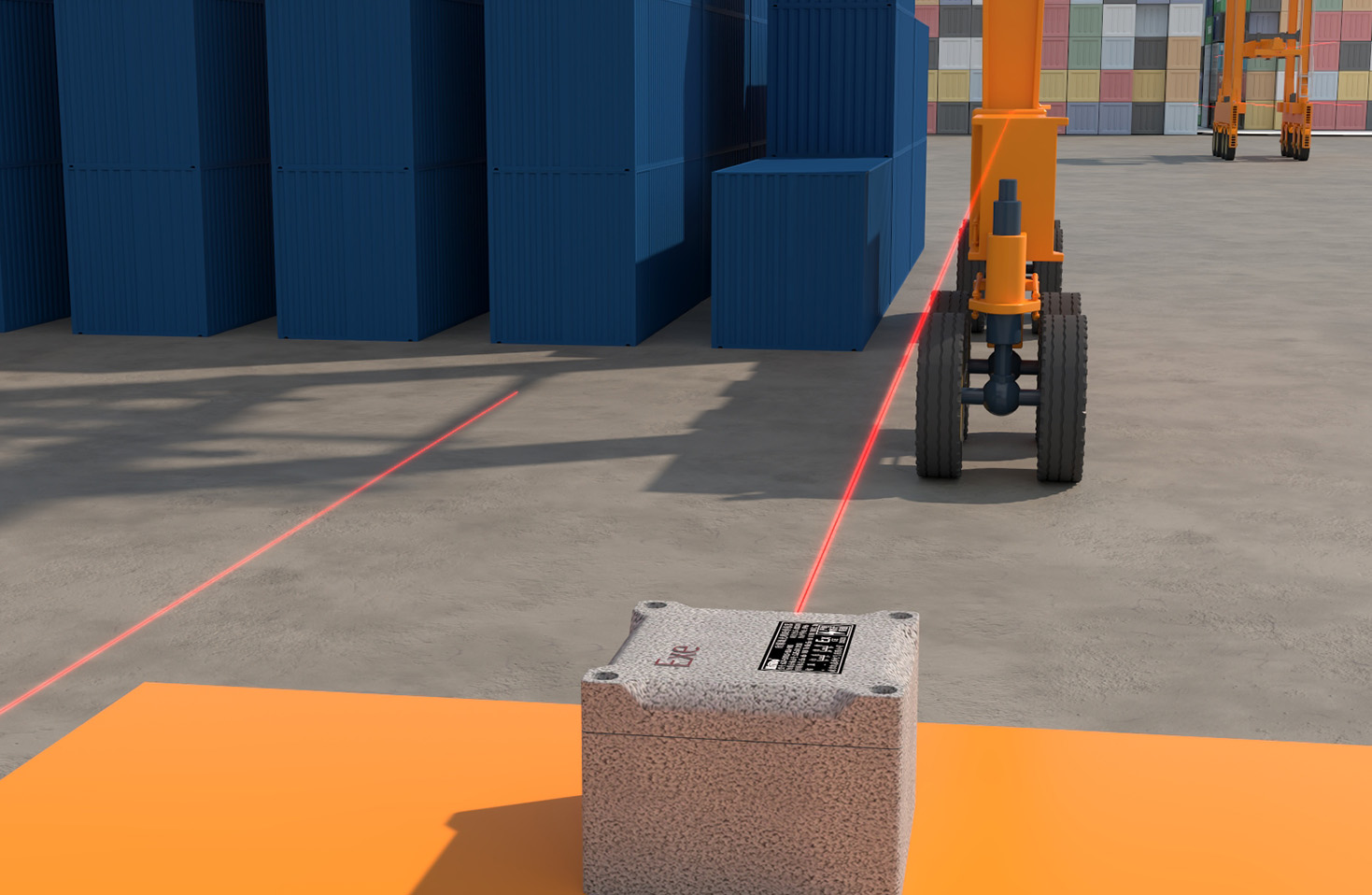
Key specifications define a lens's performance. The focal length determines the fundamental working distance and beam convergence. The numerical aperture (NA) affects the light-gathering ability and the minimum achievable spot size; a higher NA typically allows for a smaller spot but may reduce the depth of field. Lens material is another critical factor. Most industrial sensor lenses are made from high-quality optical glass with anti-reflective (AR) coatings. These coatings are paramount. They minimize internal reflections and backscatter, increasing the signal-to-noise ratio by ensuring maximum laser power reaches the target and the reflected signal efficiently reaches the detector. For harsh environments involving oils, chemicals, or extreme temperatures, lenses made from synthetic sapphire or protected by durable hydrophobic coatings are often specified.
Selecting the right lens requires a clear understanding of the application. Engineers must consider the required measurement resolution, the expected stand-off distance, the target's surface characteristics (color, material, roughness), and environmental conditions. For instance, measuring a dark, matte surface may necessitate a sensor/lens combination with higher laser output power and superior light collection efficiency. Conversely, measuring a shiny, specular surface might require a diffuser or a specialized lens setup to avoid saturation of the receiver.
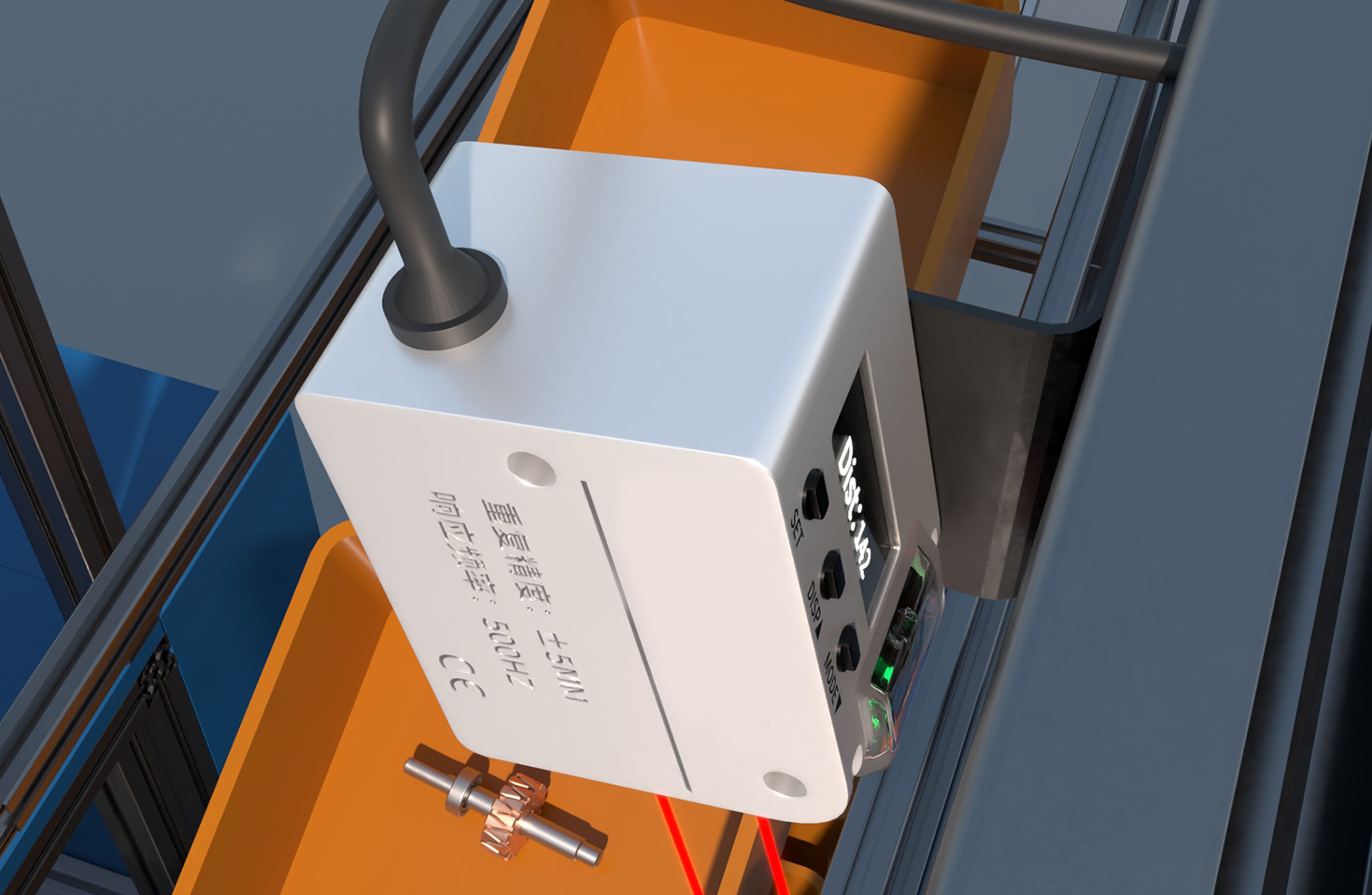
Maintenance is often overlooked but is essential for sustained accuracy. The lens is the sensor's window to the world. Contamination—dust, oil mist, coolant, or fingerprints—can scatter or attenuate the laser beam, leading to measurement drift, signal loss, or complete failure. Regular inspection and cleaning with approved materials, such as lens tissue and optical-grade solvent, are mandatory. Never use abrasive cloths or aggressive chemicals. In dirty environments, installing a protective transparent cover or using a purge air system can significantly extend lens life and maintenance intervals.
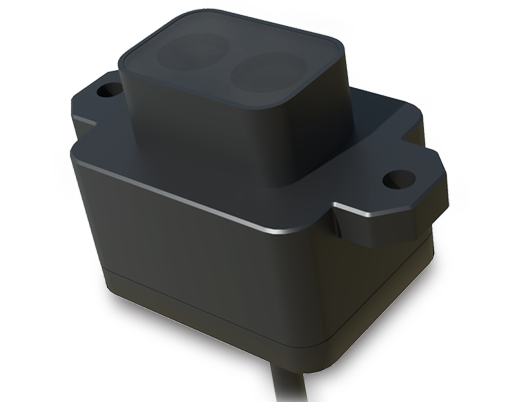
Furthermore, the integration of the lens with the sensor's internal electronics and algorithms is a sophisticated process. Modern sensors often feature automatic background suppression and advanced filtering that work in tandem with the lens's optical characteristics to reject ambient light and electrical noise. Calibration is typically performed with the specific lens attached, making lenses non-interchangeable between different sensor models or even different units without recalibration.
In conclusion, the lens of a laser displacement sensor is far more than a simple piece of glass. It is a precision optical component that defines the fundamental capabilities of the measurement system. A thorough understanding of lens types, specifications, and their interaction with the application environment enables engineers to specify the optimal sensor configuration, ensure long-term reliability, and unlock the full potential of non-contact displacement measurement technology. As demands for higher speed and micron-level accuracy grow, advancements in aspheric lens design, advanced coatings, and integrated optical systems will continue to push the boundaries of what laser displacement sensors can achieve.