In the realm of industrial automation, proximity sensors stand as critical components for non-contact detection, ensuring seamless operations in machinery and production lines. Among the various specifications, proximity sensors operating at 15V DC hold a significant position due to their compatibility with a wide range of control systems and their ability to deliver reliable performance in demanding environments. This article delves into the technical aspects, applications, and best practices for utilizing 15V proximity sensors, tailored for electrical engineers and industry professionals.
Proximity sensors are designed to detect the presence or absence of an object without physical contact, leveraging electromagnetic fields, infrared light, or ultrasonic waves. The 15V DC variant is particularly common in industrial settings, as it aligns with standard power supply levels found in many control panels and PLC (Programmable Logic Controller) systems. Operating at 15V offers a balance between energy efficiency and signal integrity, reducing the risk of voltage drop over long cable runs while minimizing electrical noise interference. This voltage level is often specified in datasheets, with sensors typically supporting a range such as 10-30V DC, but 15V serves as a nominal point for optimal functionality.
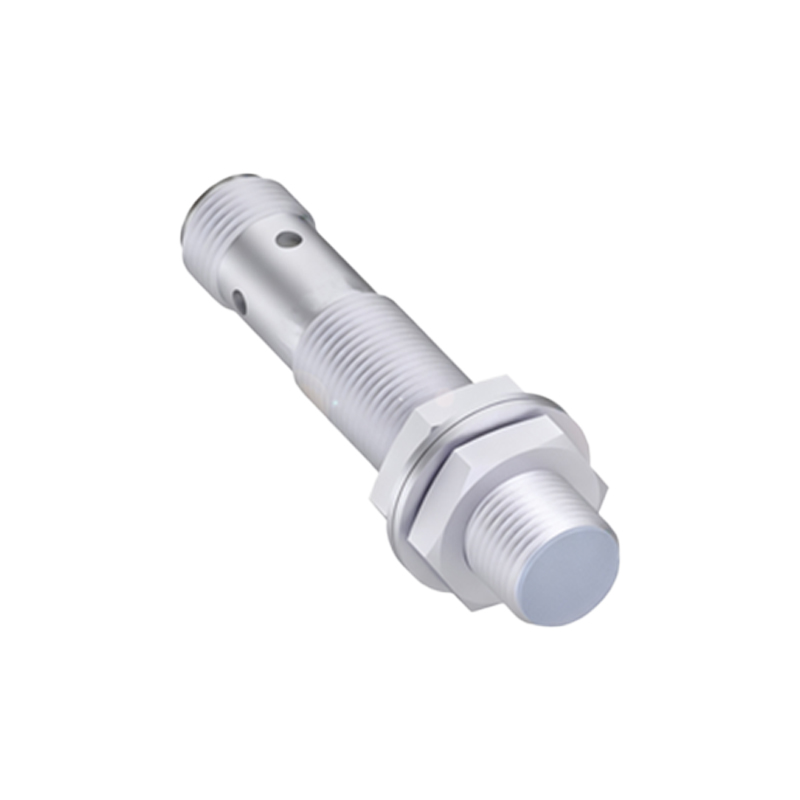
From a technical perspective, 15V proximity sensors come in various types, including inductive, capacitive, and photoelectric models. Inductive sensors, for instance, are ideal for detecting metallic objects, generating an oscillating electromagnetic field that triggers a switch when a target enters its sensing range. At 15V, these sensors ensure fast response times—often in milliseconds—and high switching frequencies, making them suitable for high-speed production lines. Capacitive sensors, on the other hand, can detect non-metallic materials like plastics or liquids, relying on changes in capacitance. When powered by 15V, they maintain stability in humid or dusty conditions, a common challenge in industrial plants. Photoelectric sensors use light beams for detection and benefit from 15V power to enhance signal strength over longer distances, up to several meters in some cases.
The applications of 15V proximity sensors are vast across industries such as automotive manufacturing, packaging, material handling, and robotics. In automotive assembly lines, for example, these sensors monitor the position of components on conveyor belts, ensuring precise placement and preventing jams. In packaging machinery, they detect product presence to control filling and sealing processes. The 15V power rating allows for integration with existing industrial networks, such as Ethernet/IP or Profinet, facilitating real-time data exchange and predictive maintenance. Engineers often choose 15V sensors for their durability, with many models featuring IP67 or higher ingress protection ratings, safeguarding against water, oil, and mechanical impacts.
When implementing 15V proximity sensors, several best practices should be followed to maximize efficiency and longevity. First, ensure proper wiring by using shielded cables to reduce electromagnetic interference, and adhere to the manufacturer's guidelines for connection—typically involving brown (positive), blue (negative), and black (output) wires. Second, consider the sensing distance and environment; for instance, inductive sensors may require calibration for different metal types, while photoelectric sensors need clean lenses to avoid false triggers. Third, regular maintenance is key: inspect sensors for physical damage, test output signals with a multimeter, and monitor voltage levels to prevent under- or over-voltage scenarios that could lead to failure. Additionally, leveraging 15V sensors in redundant setups can enhance system reliability, especially in safety-critical applications like emergency stop circuits.
In conclusion, 15V proximity sensors are indispensable tools in modern industrial automation, offering a blend of versatility, reliability, and compatibility. By understanding their technical nuances and adhering to installation best practices, engineers can optimize system performance and reduce downtime. As industries evolve toward smarter factories and IoT integration, the role of these sensors will only grow, driven by advancements in energy efficiency and connectivity. For professionals in the electrical field, staying informed about 15V sensor technologies is essential for driving innovation and maintaining competitive edge in automation projects.