In the demanding world of waste management, refuse trucks are the workhorses of urban sanitation. At the heart of their functionality lies the compaction system, a critical component that directly impacts operational efficiency, safety, and vehicle longevity. Modern compaction systems are increasingly reliant on advanced sensing technology, with proximity sensors playing a pivotal role in ensuring precise and reliable control. This article delves into the application, benefits, and selection criteria of proximity sensors within these harsh operating environments.
Proximity sensors, specifically inductive and capacitive types, are non-contact devices that detect the presence or absence of metallic objects (inductive) or both metallic and non-metallic materials (capacitive). In a refuse truck's compaction cycle, they are strategically deployed to monitor the position of the packing blade or the ejector panel. A common application involves sensors placed at the fully retracted and fully extended positions of the packing mechanism. By providing real-time positional feedback to the truck's Programmable Logic Controller (PLC), these sensors enable precise control over the compaction cycle, preventing over-travel and mechanical stress. They essentially act as the system's "eyes," signaling when to reverse direction or initiate the next phase of the cycle.
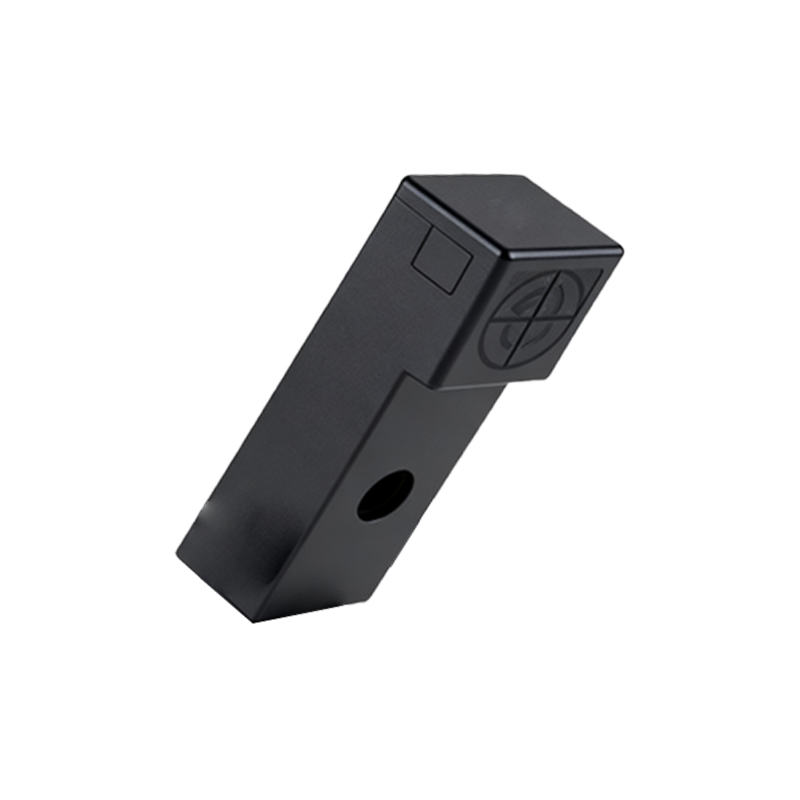
The operational environment for these sensors is exceptionally challenging. They are exposed to extreme mechanical vibrations, hydraulic fluid contamination, moisture, temperature fluctuations, and physical impacts from shifting waste loads. Therefore, robustness is non-negotiable. Sensors designed for this application typically feature:
High Ingress Protection (IP) Ratings: IP67 or IP69K ratings are standard, ensuring complete protection against dust ingress and the ability to withstand high-pressure, high-temperature washdowns.
Rugged Housing: Stainless steel or nickel-plated brass housings resist corrosion and physical damage.
Extended Sensing Ranges: Certain designs offer longer sensing distances to accommodate mounting flexibility and avoid direct contact with moving parts.
Resilient Electrical Connections: M12 or M8 quick-disconnect connectors with robust cabling prevent failure due to vibration.
The integration of reliable proximity sensors delivers substantial operational advantages. Firstly, it enhances safety by ensuring the packing blade operates within its designed parameters, reducing the risk of catastrophic mechanical failure that could endanger personnel. Secondly, it improves efficiency. Accurate cycle control maximizes compaction density per cycle, optimizing route capacity and reducing fuel consumption from unnecessary trips to disposal sites. Thirdly, it contributes to preventive maintenance. Consistent sensor feedback allows for the monitoring of cycle times; deviations can indicate wear in hydraulic components or other mechanical issues before they lead to costly downtime.
When selecting a proximity sensor for a compaction system, engineers must consider several key factors beyond basic environmental ratings. Sensing Range must be carefully calculated based on the required detection distance and any potential build-up of debris on the sensor face. Output Type (typically PNP/NPN) must be compatible with the truck's existing PLC input cards. Mounting configuration (flush, non-flush, or threaded) is critical for physical installation and sensing performance. Furthermore, selecting sensors from manufacturers with a proven track record in the heavy vehicle or mobile equipment sector ensures access to technical support and parts compatibility.
Looking forward, the role of sensors in refuse management is set to expand. The integration of IO-Link communication capability in proximity sensors is a growing trend. This digital protocol allows for the transmission of more data beyond a simple on/off signal, such as sensor health status, operating temperature, and parameter adjustments. This facilitates predictive maintenance strategies and seamless integration with fleet telematics systems, paving the way for smarter, more connected waste management operations.
In conclusion, proximity sensors are indispensable components in modern refuse truck compaction systems. Their ability to provide accurate, reliable positional feedback under extreme conditions is fundamental to achieving safe, efficient, and cost-effective waste collection. As technology advances, these robust sensors will continue to evolve, offering greater intelligence and connectivity to drive further innovations in urban sanitation vehicle design and fleet management.