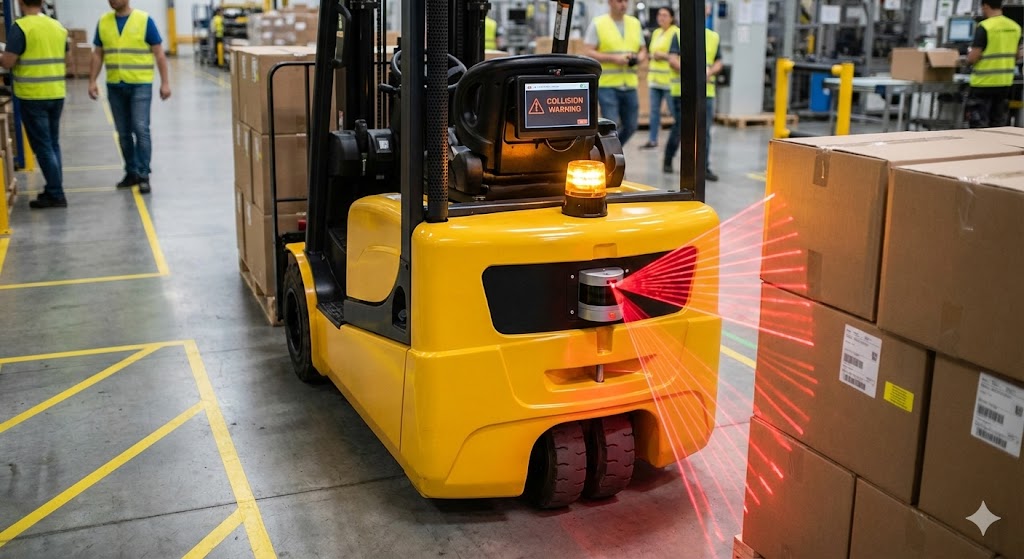
In the realm of industrial automation and precision manufacturing, laser edge detection sensors, often referred to as laser web guiding or laser alignment sensors, have become indispensable tools. Their primary function is to detect the edge or centerline of moving materials—such as paper, film, metal, or textiles—with high accuracy, enabling real-time correction to prevent costly misalignment, waste, and downtime. A common question among engineers and procurement specialists is: "What determines the price of these sophisticated devices?" The cost is not a single figure but a spectrum influenced by a confluence of technical specifications, performance requirements, and market factors.
At the core of the pricing structure lies the sensor technology and resolution. Basic models utilizing standard laser diodes and simpler photodetector arrays can be relatively economical. However, high-end sensors featuring Class 2 or Class 1 laser safety ratings, ultra-narrow laser lines, and advanced CMOS or CCD arrays with micron-level resolution command a premium. The ability to detect edges on challenging surfaces—like transparent films, glossy materials, or uneven textures—often requires more sophisticated optical designs and signal processing algorithms, directly impacting cost.
Measurement performance and speed are critical cost drivers. Key specifications include measuring range (the distance from the sensor head to the target material), repeatability (consistency of measurements), and linearity (accuracy across the entire range). Sensors designed for high-speed production lines, such as in printing or converting, must have extremely fast response times and sampling rates. Achieving high performance in both static and dynamic conditions involves superior internal electronics and firmware, which adds to the manufacturing expense.
The environmental robustness and housing significantly affect price. Industrial environments are harsh. Sensors rated with high IP67 or IP69K ingress protection against dust and water, constructed from stainless steel or ruggedized aluminum, and capable of operating in extreme temperatures or in the presence of vibrations, are more costly to produce. Specialized housings for wash-down applications in food & beverage or pharmaceutical industries also add to the unit cost.
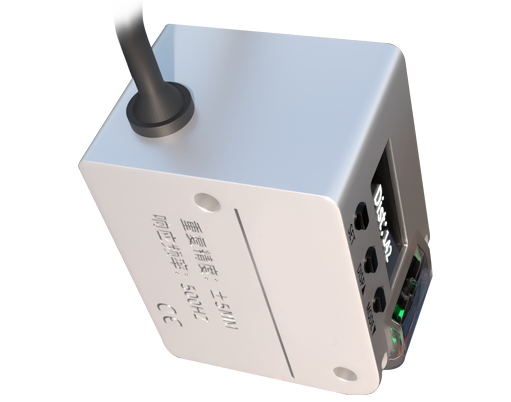
Functional features and connectivity play a substantial role. Basic sensors may provide a simple analog output (e.g., 4-20mA, 0-10V). Advanced models offer digital interfaces like Ethernet/IP, PROFINET, EtherCAT, or IO-Link, enabling seamless integration into Industry 4.0 and IIoT frameworks. Additional software capabilities for profile analysis, multi-edge detection, or built-in diagnostics contribute to a higher price point but offer greater long-term value through enhanced functionality and easier maintenance.
Brand reputation, support, and supply chain are intangible yet vital factors. Established manufacturers with decades of experience, proven reliability, and global technical support networks often price their products higher. This premium covers extensive R&D, rigorous quality testing, and the assurance of product longevity and availability. Conversely, newer or lesser-known brands may offer lower initial costs, which might be accompanied by varying levels of support and warranty.
Finally, configuration and accessories influence the final price. A standard, off-the-shelf sensor is one cost. Adding customized mounting brackets, specific cable lengths, protective shrouds, or complementary alignment lasers for setup will increase the total investment. Many suppliers offer evaluation kits or starter packages, which can provide a cost-effective entry point.
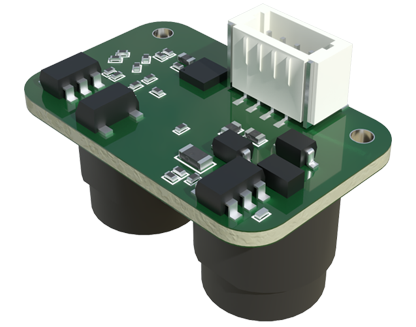
In conclusion, the price of a laser edge detection sensor, which can range from several hundred to several thousand US dollars per unit, is a direct reflection of its capability, durability, and integration potential. For procurement decisions, the focus should shift from initial purchase price to Total Cost of Ownership (TCO). A slightly more expensive, high-performance sensor that minimizes material waste, prevents machine damage, and ensures continuous production can deliver a far superior return on investment than a cheaper, less capable alternative. Engineers are advised to conduct a thorough needs analysis, specifying the exact material types, line speeds, environmental conditions, and required outputs before engaging with suppliers to obtain accurate quotations and ensure the selected sensor delivers optimal value for its price.