Proximity sensors are critical components in modern industrial automation, robotics, and safety systems. Their ability to detect the presence or absence of objects without physical contact ensures efficiency, reliability, and protection for both machinery and personnel. However, the performance, interoperability, and safety of these devices are governed by a complex framework of international and regional standards. This directory provides a structured overview of the key standards applicable to proximity sensors, serving as a reference for engineers, system integrators, and procurement specialists.
The standardization landscape for proximity sensors is primarily divided into several key domains: performance characteristics, electrical interfaces, environmental durability, and functional safety.
International Electrotechnical Commission (IEC) Standards
The IEC, through its technical committees, sets globally recognized benchmarks.
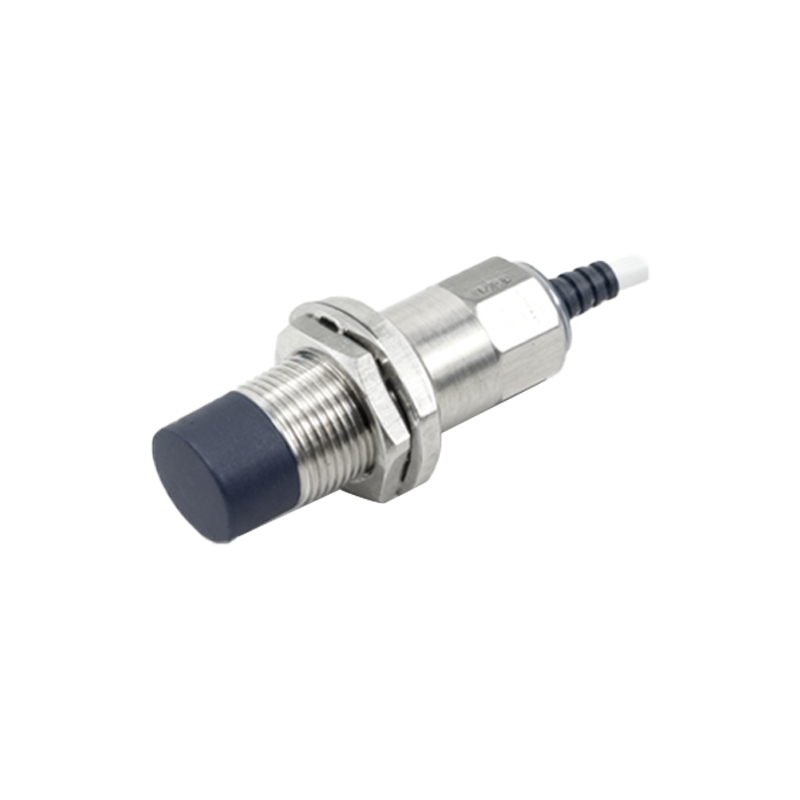
IEC 60947-5-2: This is arguably the most fundamental standard for low-voltage switchgear and controlgear, specifically covering proximity switches. It defines terms, characteristics, performance requirements (such as operating distance and hysteresis), testing procedures, and marking. It classifies sensors based on their construction (e.g., embedded or non-embedded) and output type (e.g., two-wire AC/DC, three-wire DC, etc.). Compliance with IEC 60947-5-2 is often a baseline requirement for sensors used in industrial control panels worldwide.
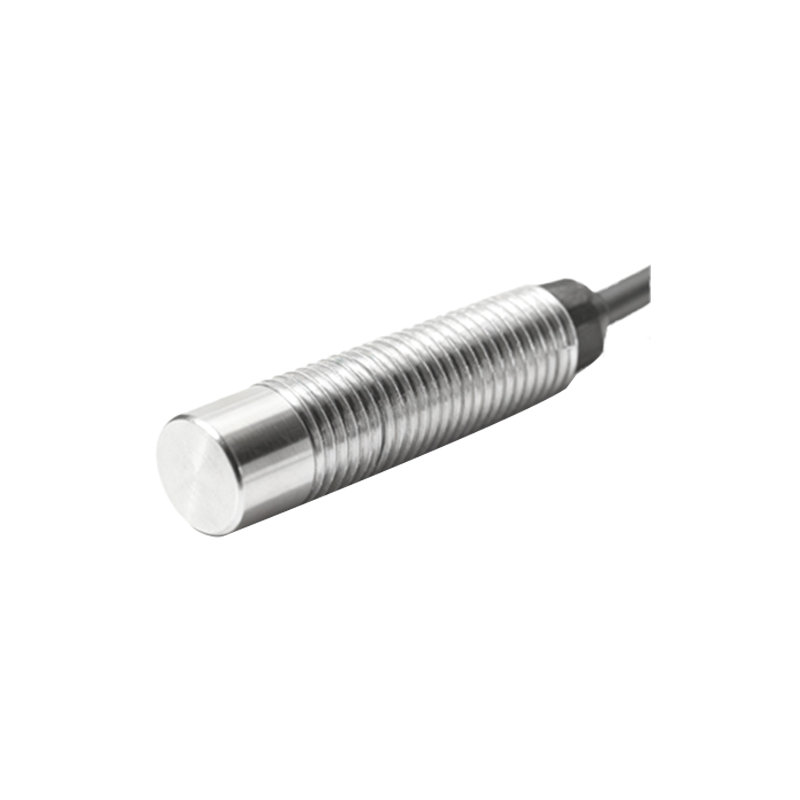
IEC 60529 (IP Code): While not exclusive to sensors, the Ingress Protection (IP) code is crucial. It specifies the degrees of protection provided by enclosures against solid objects (first digit) and water (second digit). For proximity sensors operating in harsh environments—exposed to dust, coolants, or high-pressure washdown—specifications like IP67 or IP69K are common mandates.
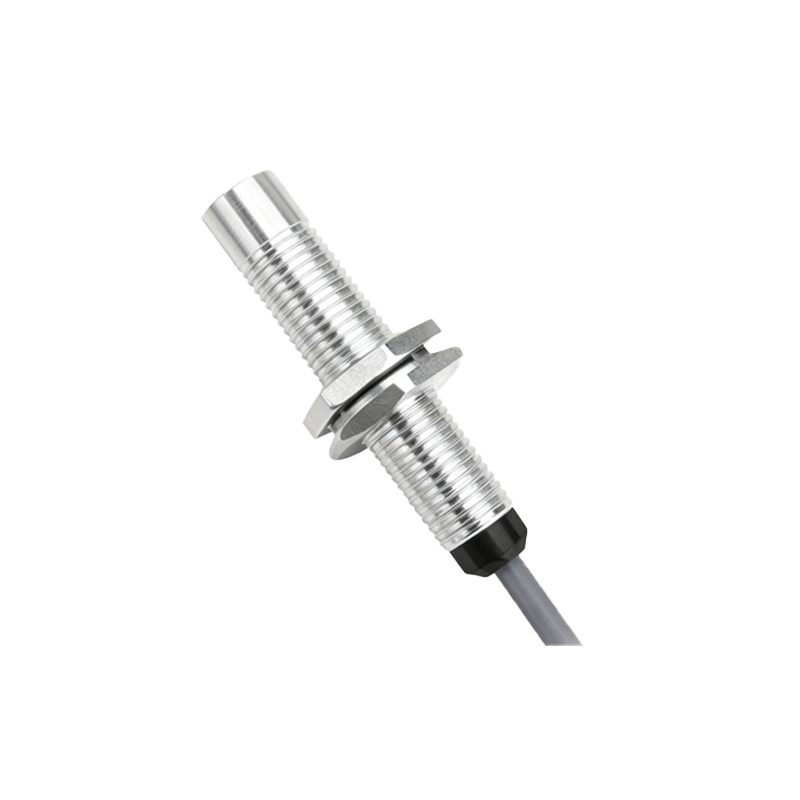
IEC 60068-2 Series: These standards outline environmental testing procedures. Key parts include vibration (IEC 60068-2-6), shock (IEC 60068-2-27), and climatic sequences (IEC 60068-2-1, -2, -14, -30) for temperature and humidity. They validate a sensor's robustness under operational stresses.
International Organization for Standardization (ISO) Standards
ISO standards often focus on dimensional and mechanical interfaces, ensuring interchangeability.
ISO 12098: Specifies the dimensions for 4-pole electrical connectors for sensors and actuators in road vehicles, influencing sensor design for automotive manufacturing.
Various ISO standards define mechanical housing shapes and sizes (e.g., cylindrical M8, M12, M18, M30 threads), which, while not always formal ISO documents, are de facto industry norms derived from ISO metric thread standards.
Regional and National Standards
Many regions adopt IEC standards with local modifications or maintain their own parallel frameworks.
UL 508 (USA): Underwriters Laboratories' standard for industrial control equipment. Proximity sensors used in North America often require UL listing or recognition to be installed in control panels compliant with the National Electrical Code (NEC).
CSA C22.2 No. 14 (Canada): The Canadian equivalent, often harmonized with UL standards.
EN (European Norm) Standards: The European version of many IEC standards. For example, EN 60947-5-2 is the harmonized European standard, and compliance with it is essential for affixing the CE marking, indicating conformity with EU health, safety, and environmental directives.
Functional Safety Standards
For sensors used in safety-critical applications (e.g., guarding a robot cell), functional safety standards are paramount.
IEC 61508: The overarching functional safety standard for electrical/electronic/programmable electronic safety-related systems.
ISO 13849-1 & IEC 62061: These are sector-specific standards for machinery safety. They define Performance Levels (PL) and Safety Integrity Levels (SIL). Proximity sensors designed as safety devices (e.g., safety-rated proximity switches for position verification) will have certified PL or SIL ratings, along with detailed data on Mean Time to Dangerous Failure (MTTFd), Diagnostic Coverage (DC), and Common Cause Failures (CCF).
Electromagnetic Compatibility (EMC) Standards
To ensure sensors do not emit excessive electromagnetic interference and are immune to it, EMC standards are mandatory.
IEC 61000-6-2: Generic immunity standard for industrial environments.
IEC 61000-6-4: Generic emission standard for industrial environments.
Regional variants like EN 61000-6-2/4 are required for CE marking in Europe.
Selecting the Right Standard