Infrared proximity sensors are widely used in modern electronics and automation systems. These devices detect the presence of objects without physical contact by emitting infrared light and measuring the reflection. The core principle relies on the behavior of infrared radiation, which is invisible to the human eye but can be detected by specialized components.
A typical infrared proximity sensor consists of an IR emitter (usually an LED) and an IR receiver (such as a photodiode or phototransistor). The emitter sends out a beam of infrared light. When an object enters the sensor's range, part of the light reflects back to the receiver. The sensor's circuitry then processes this signal to determine the object's proximity. Some advanced models also incorporate filters to reduce interference from ambient light, ensuring accurate readings in various environments.
One key advantage of infrared proximity sensors is their reliability in diverse conditions. Unlike ultrasonic sensors, they are not affected by sound waves or air density changes. However, they may struggle with highly reflective or absorbent surfaces, as these can distort the infrared reflection. For instance, black materials tend to absorb IR light, while shiny surfaces might scatter it. Engineers often account for these factors during calibration.
Applications of infrared proximity sensors span multiple industries. In consumer electronics, they enable features like automatic screen dimming in smartphones when held to the ear during calls. In robotics, these sensors help machines avoid obstacles by detecting nearby objects. Home automation systems use them to trigger lights or alarms when motion is sensed. Industrial settings employ infrared proximity sensors for object counting, conveyor belt monitoring, and safety mechanisms on machinery.
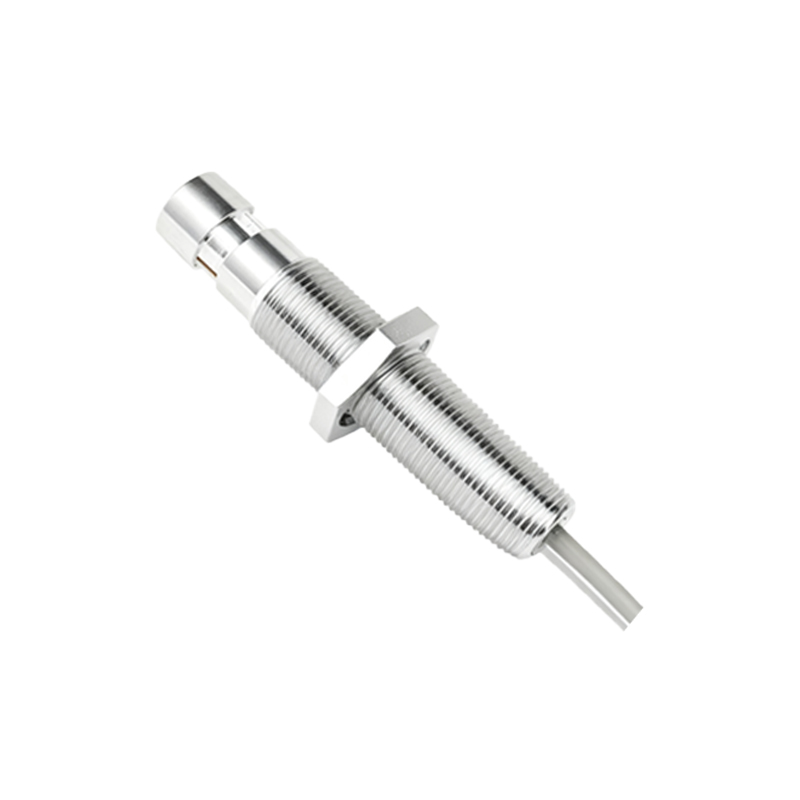
When selecting an infrared proximity sensor, consider factors such as detection range, response time, and environmental resilience. Standard models offer ranges from a few centimeters to several meters. Response times can be as fast as milliseconds, crucial for high-speed applications. Additionally, some sensors are designed to withstand dust, moisture, or temperature extremes, making them suitable for outdoor or harsh indoor use.
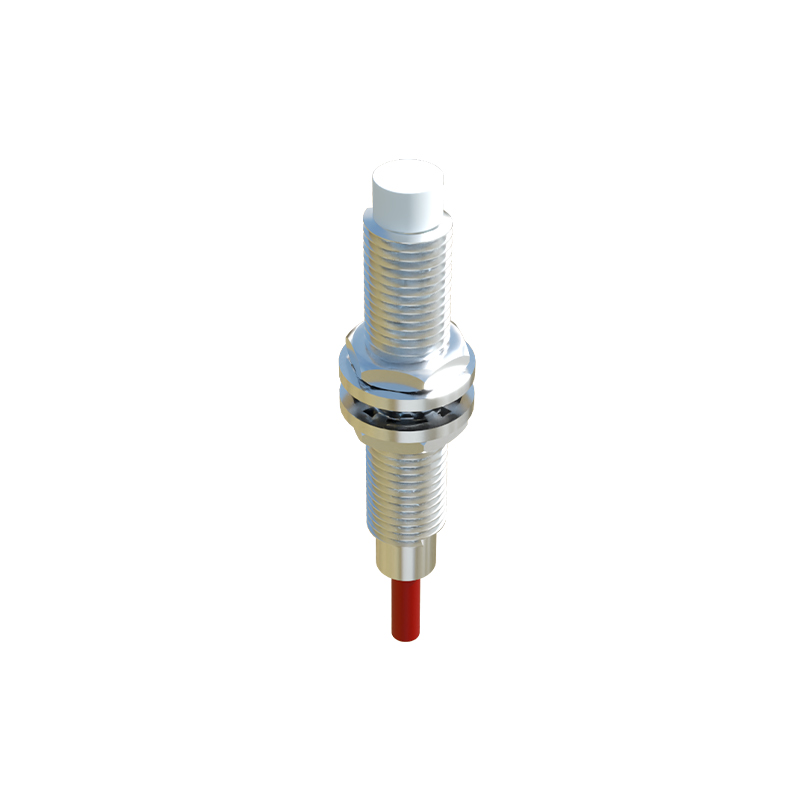
Installation and maintenance are straightforward. Most sensors come with mounting brackets and adjustable sensitivity settings. Regular cleaning of the emitter and receiver lenses is recommended to prevent dust buildup, which could impair performance. Calibration checks ensure consistent accuracy over time.
Future trends point toward miniaturization and integration with smart technologies. Researchers are developing sensors with lower power consumption for IoT devices, as well as combining IR sensing with other modalities like cameras or radar for enhanced functionality. As industries embrace automation, the demand for reliable, cost-effective proximity detection will continue to grow.
In summary, infrared proximity sensors offer a versatile solution for non-contact detection. Their ability to operate quietly and efficiently makes them indispensable in everything from everyday gadgets to complex industrial systems. By understanding their workings and limitations, users can effectively leverage these sensors to improve safety, convenience, and productivity.